We’ve all been there: tossing and turning for hours, watching the clock tick closer to morning. We’ve also experienced the incredible feeling of waking up refreshed and ready to take on the world after a truly great night’s sleep. But what is actually happening in our brains and bodies during those crucial hours? Sleep is far more than just a period of inactivity; it’s a complex and vital biological process that governs our health, mood, and cognitive function.
Understanding the science behind a good night’s sleep is the first step toward achieving it more consistently. In this guide, we’ll explore the fascinating mechanics of sleep, from our internal body clocks to the different stages we cycle through each night. We will also provide actionable tips to help you improve your sleep quality and wake up feeling your best.
The Inner Workings of Sleep
Sleep isn’t like flipping a switch. It’s a carefully orchestrated sequence managed by your body’s internal systems. Two key players in this process are your circadian rhythm and sleep drive.
Your Internal Clock: The Circadian Rhythm
Have you ever noticed you naturally feel sleepy around the same time each night and wake up around the same time each morning, even without an alarm? You can thank your circadian rhythm for that. This is your body’s internal 24-hour clock, located in a part of the brain called the suprachiasmatic nucleus (SCN).
The SCN responds primarily to light exposure. When your eyes detect light in the morning, the SCN sends signals throughout your body to increase alertness and energy. As darkness falls in the evening, it triggers the production of melatonin, a hormone that promotes sleepiness. This is why exposure to bright screens from phones, tablets, and TVs before bed can disrupt your sleep—it tricks your brain into thinking it’s still daytime, suppressing melatonin production.
The Sleep Drive: Building Pressure to Sleep
While your circadian rhythm manages the timing of sleep, another process called sleep-wake homeostasis determines its intensity. Think of it as a “sleep drive” or “sleep pressure.” From the moment you wake up, your body starts building this pressure. An organic compound called adenosine gradually accumulates in your brain throughout the day.
The longer you are awake, the more adenosine builds up, and the sleepier you feel. During sleep, your body clears this adenosine, reducing the pressure and allowing you to wake up feeling refreshed. This is why a short nap can feel restorative but a long nap can make it harder to fall asleep at night—it clears away too much adenosine, weakening your sleep drive.
The Journey Through Sleep Cycles
When you do fall asleep, your brain doesn’t just shut down. Instead, it cycles through different stages of sleep, each with a distinct purpose. A full sleep cycle lasts about 90 to 110 minutes, and you typically go through four to six of these cycles per night. The two main types of sleep are Non-Rapid Eye Movement (NREM) and Rapid Eye Movement (REM).
NREM Sleep: The Body’s Repair Shop



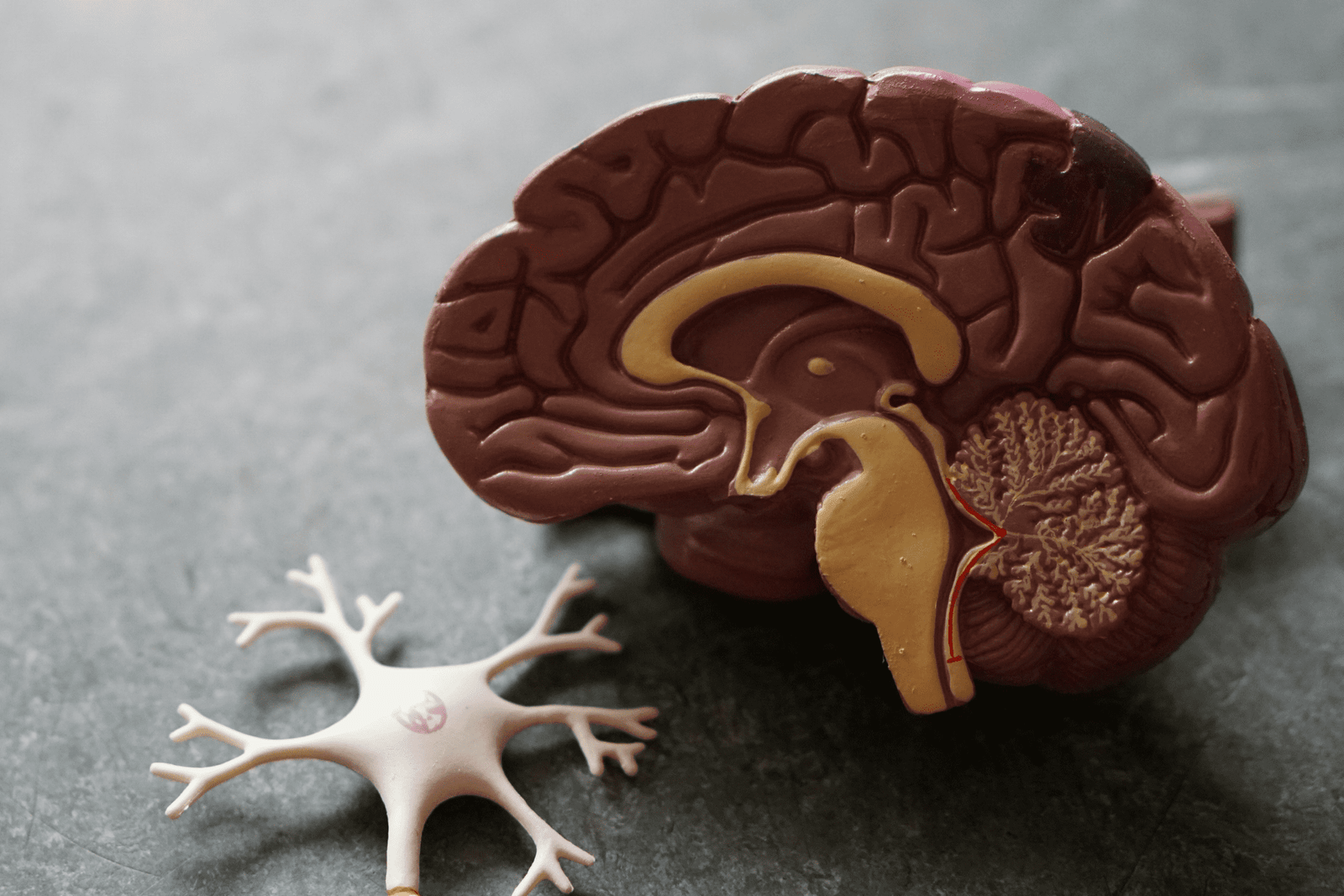
NREM sleep is divided into three stages:
- Stage 1 (N1): This is the very light stage of sleep that occurs just as you’re drifting off. Your breathing and heart rate slow down, and your muscles begin to relax. It’s easy to be woken up during this stage, which typically lasts only a few minutes.
- Stage 2 (N2): You spend about half of your total sleep time in this stage. Your body temperature drops, and your brain waves slow down further. This stage is crucial for memory consolidation, where your brain processes and stores information from the day.
- Stage 3 (N3): This is the deepest stage of sleep, also known as slow-wave sleep. It is very difficult to be woken from this stage. During N3 sleep, your body performs its most important restorative work: repairing tissues, building bone and muscle, and strengthening the immune system.
REM Sleep: The Brain’s Playground
After cycling through the NREM stages, you enter REM sleep. This is when your brain becomes highly active, almost as if you were awake. Your eyes move rapidly from side to side behind your closed eyelids, which is where this stage gets its name. Your breathing becomes faster and irregular, and your heart rate and blood pressure increase.
REM sleep is when most vivid dreaming occurs. It plays a critical role in emotional regulation, processing memories, and learning. During this stage, your brain solidifies pathways connected to learning and problem-solving skills. As the night progresses, your REM stages become longer, with the most extended period often occurring just before you wake up.
Actionable Tips for a Better Night’s Sleep
Now that you understand the science, how can you use it to your advantage? Improving your sleep often comes down to improving your “sleep hygiene”—the habits and practices that are conducive to sleeping well on a regular basis.
1. Stick to a Consistent Schedule
Go to bed and wake up at roughly the same time every day, even on weekends. This reinforces your body’s circadian rhythm, making it easier to fall asleep and wake up naturally. A consistent schedule helps regulate your internal clock for optimal function.
2. Create a Relaxing Bedtime Routine
Signal to your body that it’s time to wind down. An hour before bed, put away screens and engage in calming activities. This could include:
- Taking a warm bath or shower.
- Reading a physical book.
- Listening to calming music or a podcast.
- Practicing gentle stretching or meditation.
- Journaling to clear your mind of worries.
3. Optimize Your Sleep Environment
Your bedroom should be a sanctuary for sleep. Turn it into the perfect cave with these adjustments:
- Keep it Cool: The ideal temperature for sleep is around 65°F (18.3°C). A cooler room helps facilitate the drop in body temperature needed for sleep.
- Keep it Dark: Use blackout curtains, shades, or an eye mask to block out all light. Even a small amount of light can disrupt melatonin production.
- Keep it Quiet: Drown out disruptive noises with a fan, a white noise machine, or earplugs.
4. Be Mindful of What You Eat and Drink
Avoid large meals, caffeine, and alcohol in the hours leading up to bedtime. Caffeine is a stimulant that can stay in your system for hours, blocking adenosine receptors and preventing you from feeling sleepy. While alcohol might make you feel drowsy initially, it disrupts sleep later in the night, particularly REM sleep.
5. Get Moving During the Day
Regular physical activity can significantly improve sleep quality. Exercise helps reduce stress and anxiety, and it can increase the amount of deep, restorative sleep you get. Aim for at least 30 minutes of moderate activity most days of the week, but try to avoid vigorous workouts too close to bedtime.
6. Manage Stress and Anxiety
A racing mind is one of the biggest enemies of sleep. If you find yourself lying awake with anxious thoughts, try incorporating stress-management techniques into your daily life. Mindfulness meditation, deep breathing exercises, and cognitive behavioral therapy for insomnia (CBT-I) are proven methods for calming the mind and preparing the body for rest.
Conclusion
A good night’s sleep is not a luxury; it’s a biological necessity. By understanding the science behind your body’s internal clock, sleep drive, and sleep cycles, you can take informed steps to improve your nightly rest.
Start by implementing one or two of these tips, like setting a consistent sleep schedule or creating a tech-free bedtime routine. Small changes can lead to significant improvements in your energy levels, mood, and overall health. Prioritizing sleep is one of the best investments you can make in yourself.