We often think of exercise in terms of intense cardio or heavy lifting, but one of the simplest and most effective forms of movement is often overlooked: stretching. If you spend your days sitting at a desk, you’re likely familiar with the stiffness in your neck, the tightness in your lower back, and the general feeling of being wound up. Incorporating a few minutes of stretching into your daily life can be a game-changer, melting away tension and boosting your overall well-being.
This guide will show you how to seamlessly weave stretching into your day, no matter how busy you are. We’ll explore the incredible benefits of this simple practice and provide step-by-step routines you can do in the morning, at your desk, and before bed. It’s time to unlock a more flexible, comfortable, and energetic version of yourself.
Why Daily Stretching Matters
Stretching is more than just a warm-up or cool-down for a workout; it’s a vital practice for maintaining a healthy body. Committing to a regular stretching routine can deliver a wide range of benefits that you’ll feel both physically and mentally.
1. Improves Flexibility and Range of Motion
The most obvious benefit of stretching is increased flexibility. As we age or lead sedentary lives, our muscles can shorten and become tight, limiting our joints’ range of motion. Daily stretching helps lengthen your muscles and keeps them pliable, allowing you to move more freely and with less effort. This can make everyday activities, from tying your shoes to reaching for something on a high shelf, feel much easier.
2. Reduces Muscle Tension and Pain
Do you carry stress in your shoulders or feel a constant ache in your lower back? Muscle tension is a common side effect of stress, poor posture, and physical activity. Stretching helps release this tightness by increasing blood flow to your muscles, delivering more oxygen and nutrients. This process helps soothe soreness and can significantly reduce chronic aches and pains, particularly in the neck, shoulders, and back.
3. Enhances Posture


Slouching over a computer or phone for hours on end can lead to poor posture, as certain muscles (like your chest and hip flexors) become tight while others (like your back and glutes) become weak. Stretching helps counteract this by loosening tight muscles and allowing you to stand and sit taller. Better posture not only reduces strain on your spine but also projects confidence and can even improve your breathing.
4. Boosts Energy and Reduces Stress
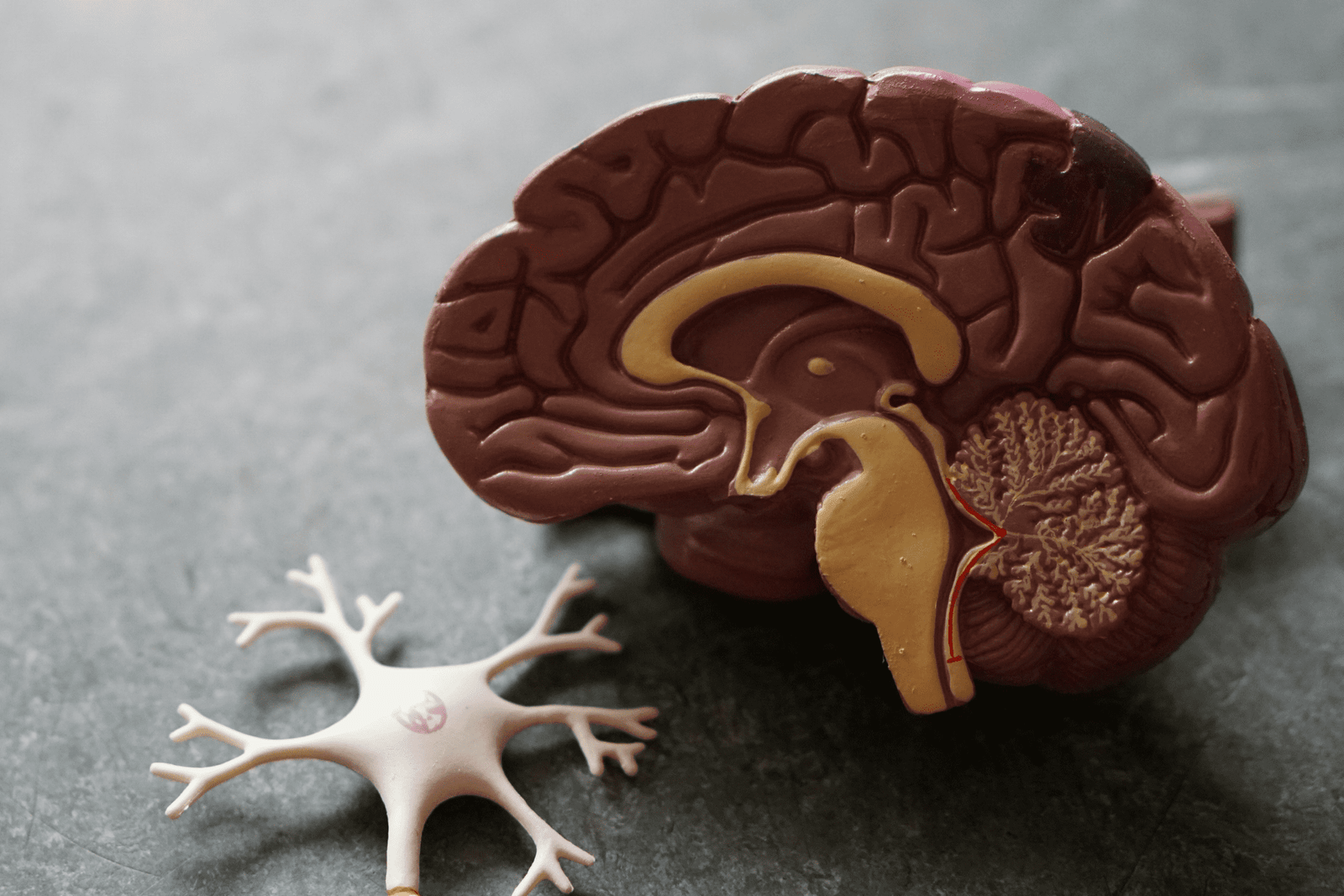
When you feel stiff and tense, your body is in a state of physical stress. Gentle stretching can activate your parasympathetic nervous system, which promotes a state of “rest and digest.” This calming effect helps lower stress levels and clear your mind. At the same time, the increased blood flow and oxygen delivery to your brain and muscles can provide a natural energy boost, making it a great way to combat that mid-afternoon slump.
A Step-by-Step Guide to Your Daily Stretching Routine
The key to making stretching a habit is to integrate it into your existing schedule. Instead of trying to find a 30-minute block of time, sprinkle short stretching sessions throughout your day. Here’s how you can do it.
Morning Stretches: Wake Up Your Body (5 Minutes)
Start your day with a gentle routine to awaken your muscles after a long night of rest. These stretches can be done right after you get out of bed.
- Overhead Full-Body Stretch: Stand tall with your feet hip-width apart. Interlace your fingers and press your palms toward the ceiling as you reach up. Take a deep breath in and feel the stretch through your entire body, from your fingertips to your toes. Hold for 15-20 seconds.
- Cat-Cow Stretch: Get on your hands and knees, with your wrists under your shoulders and your knees under your hips. As you inhale, drop your belly, lift your chest, and look forward (Cow Pose). As you exhale, round your spine toward the ceiling, tucking your chin to your chest (Cat Pose). Repeat 5-8 times to gently mobilize your spine.
- Child’s Pose: From the hands and knees position, sit back on your heels and fold forward, resting your forehead on the floor. Extend your arms forward or rest them alongside your body. This pose gently stretches your lower back, hips, and shoulders. Hold for 30 seconds, breathing deeply.
Desk-Friendly Stretches: Reset at Work (2-3 Minutes Each)
Sitting for prolonged periods can wreak havoc on your body. Take short breaks every hour to perform these discreet stretches right at your desk.
- Neck Rolls: Sit up tall and gently drop your right ear toward your right shoulder. Hold for 15 seconds. Slowly roll your chin down to your chest, then over to your left shoulder, dropping your left ear toward it. Hold for 15 seconds. Repeat 2-3 times on each side.
- Seated Spinal Twist: Sit on the edge of your chair with your feet flat on the floor. Gently twist your torso to the right, using your right hand on the back of the chair for a deeper stretch. Keep your hips facing forward. Hold for 20 seconds, then repeat on the left side.
- Wrist and Finger Stretch: Extend your right arm in front of you with your palm facing up. With your left hand, gently bend your right fingers down toward the floor until you feel a stretch in your forearm. Hold for 20 seconds. Then, flip your hand so your palm faces down and gently pull your fingers toward your body. Hold for 20 seconds. Repeat on the other arm.
Evening Stretches: Wind Down for Sleep (5-10 Minutes)
A calming evening stretch routine can help release the day’s tension and prepare your body for a restful night’s sleep.
- Knees-to-Chest: Lie on your back and gently pull both knees toward your chest. You can hug your shins or the backs of your thighs. Rock gently from side to side to massage your lower back. Hold for 30-60 seconds.
- Reclining Butterfly Pose: While lying on your back, bring the soles of your feet together and let your knees fall out to the sides. This is a gentle stretch for the inner thighs and hips. Place your hands on your belly and focus on deep, slow breaths. Hold for 1-2 minutes.
- Legs-Up-the-Wall: Sit on the floor with one hip against a wall. Lie back and swing your legs up the wall so your body forms an L-shape. This is an incredibly restorative pose that helps reduce swelling in the legs and promotes relaxation. Stay here for 3-5 minutes, breathing deeply.
Tips for Beginners: Stretch Safely and Effectively
If you’re new to stretching, it’s important to approach it with care to avoid injury.
- Start Slow: Your body needs time to adapt. Begin with shorter holding times and fewer repetitions, gradually increasing as you become more flexible.
- Never Bounce: Bouncing in a stretch, known as ballistic stretching, can cause micro-tears in your muscles. Instead, ease into a stretch and hold it steady. This is known as static stretching and is much safer for beginners.
- Focus on Form: Proper technique is more important than how deeply you can stretch. Make sure you are stretching the intended muscle without putting strain on other parts of your body.
- Breathe: Don’t hold your breath. Breathing deeply into the stretch sends oxygen to your muscles, helping them relax and lengthen more effectively.
- Listen to Your Body: Stretching should create a feeling of gentle tension, not pain. If you feel a sharp or stabbing pain, ease off immediately. Pushing too hard can lead to injury.
Conclusion
Incorporating stretching into your daily routine doesn’t require a huge time commitment or a gym membership. By using these simple, targeted routines, you can fight stiffness, improve your posture, and reduce stress in just a few minutes each day.
Start by picking one routine—morning, desk, or evening—and commit to it for a week. As you begin to feel the benefits, you can add in the others. Soon, stretching will become a natural and indispensable part of your day, helping you move better and feel your best.