Have you ever walked into a room and instantly felt a sense of calm, or entered another space that made you feel energized and creative? More often than not, that feeling is influenced by color. The shades that surround us have a profound impact on our mood, emotions, and even our productivity. Choosing a paint color is more than just a decorative decision; it’s an opportunity to shape the atmosphere of your home.
This guide will explore the fascinating world of color psychology and how you can use it to your advantage. We will break down what different colors mean and how they affect us, providing practical tips for selecting the perfect palette for every room in your house. Get ready to transform your space with intention and create an environment that truly supports your lifestyle.
The Science of Feeling: How Color Affects Us
Color psychology is the study of how different hues influence human behavior and emotion. Our responses to color are both personal and universal. Some associations come from our individual experiences, while others are rooted in biology and cultural conditioning. For example, the color red can physically increase our heart rate and evoke feelings of passion or urgency, while blue often has a calming effect.
When designing a room, understanding these general associations can help you create the desired mood. By choosing colors that align with the room’s purpose—whether it’s for rest, work, or socializing—you can craft a space that not only looks good but also feels right.
A Room-by-Room Guide to Color Palettes
Every room in your home serves a different function, and your color choices should reflect that. Here’s how to apply color psychology to create the perfect ambiance in each area.
The Living Room: The Social Hub

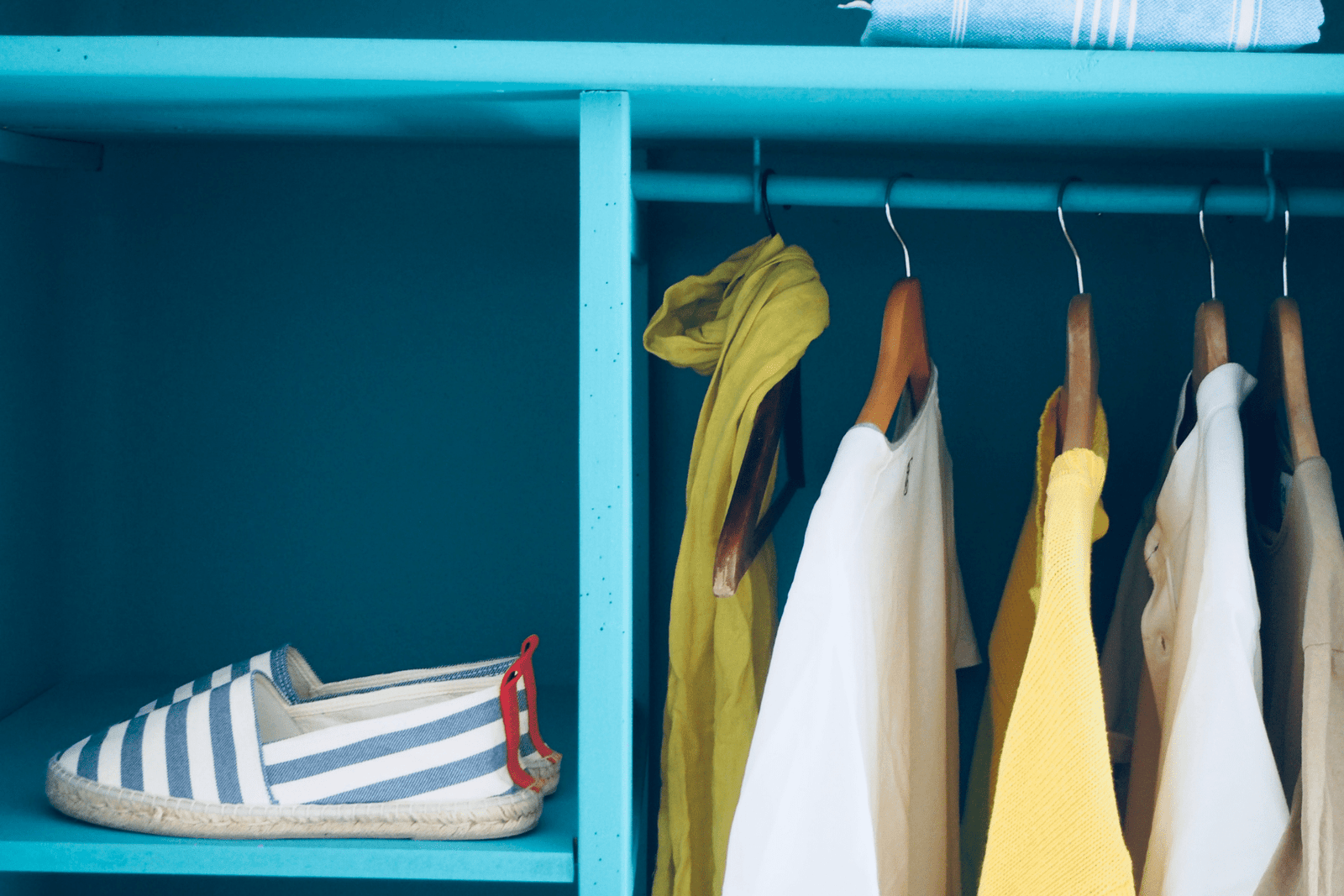


The living room is where we entertain guests, relax with family, and connect with others. The goal here is often to create a welcoming, comfortable, and balanced atmosphere.
- Warm Neutrals (Beige, Taupe, Greige): These colors are incredibly versatile and create a cozy, inviting feel. They are comforting and flexible, allowing you to easily introduce pops of color through decor.
- Warm Greens (Sage, Olive): Green is the color of harmony and balance. It’s restful on the eyes and brings a sense of nature indoors, promoting a feeling of tranquility and connection.
- Soft Blues: A light to medium blue can be very calming and serene, encouraging relaxation and conversation. It’s a classic choice for a peaceful and orderly living space.
The Bedroom: Your Personal Sanctuary
The bedroom should be a haven for rest and rejuvenation. The colors you choose here should promote calm and relaxation to help you unwind and get a good night’s sleep.
- Cool Blues: From soft sky blue to deep navy, blue is one of the best colors for a bedroom. It is known to lower blood pressure and slow heart rate, creating a physically calming environment.
- Earthy Greens: Sage green, mint, and other soft greens connect us to nature and have a soothing, restorative quality. They are excellent for reducing stress and creating a peaceful retreat.
- Soft Pinks and Lavenders: Light, dusty pinks and soft lavenders can be surprisingly serene. These colors have a gentle, nurturing feel that can promote a sense of comfort and tranquility without being overly stimulating.
The Kitchen: The Heart of the Home
The kitchen is often a busy, energetic space where creativity happens. The colors here can influence appetite and energy levels.
- Yellows and Oranges: These warm, cheerful colors are known to stimulate appetite and boost energy. A soft butter yellow can make a kitchen feel sunny and welcoming, while a touch of orange can add a vibrant, creative spark.
- Classic White: White creates a feeling of cleanliness, clarity, and spaciousness. It’s a timeless choice that makes a kitchen feel fresh and open. You can warm it up with wood accents or add personality with colorful accessories.
- Reds (as an accent): Red is a high-energy color that has been shown to increase appetite. Because it can be intense, it works best as an accent color on a single wall, in a backsplash, or through appliances and decor.
The Home Office: The Productivity Zone
Your home office should be a space that encourages focus, creativity, and efficiency. The right colors can help minimize distractions and stimulate your mind.
- Blues: Blue is an excellent choice for a workspace as it promotes focus, logic, and efficiency. It’s a stable, calming color that helps you concentrate on the task at hand.
- Greens: Green fosters balance and concentration. Since it’s one of the easiest colors on the eyes, it helps reduce visual fatigue during long work hours. It is also associated with prosperity and growth.
- Off-White and Grays: A neutral backdrop can be very effective for a home office, as it minimizes visual clutter and distraction. A soft gray or a warm off-white provides a clean slate that allows your work to take center stage.
Combining Colors: Tips for a Harmonious Palette
Once you’ve chosen your main color, you need to build a palette around it. A well-balanced color scheme will feel cohesive and intentional.
The 60-30-10 Rule
This classic design principle is a simple way to create a balanced color scheme.
- 60% is your dominant color: This is the main color of your room, likely used on the walls. It sets the overall tone.
- 30% is your secondary color: This color should support the main color and is often used for furniture, curtains, or an accent wall.
- 10% is your accent color: This is the fun part. Use this color for small decor items like throw pillows, artwork, and accessories. It’s your chance to add a pop of personality.
Using Accent Colors Effectively
Accent colors are what bring a room to life. They create visual interest and can be easily changed out to refresh the space.
- Choose a complementary color: For a bold, high-impact look, choose an accent color that is opposite your main color on the color wheel (e.g., blue and orange).
- Choose an analogous color: For a more serene, cohesive look, choose an accent color that is next to your main color on the color wheel (e.g., blue and green).
- Draw from a pattern: If you have a piece of artwork, a rug, or a fabric pattern you love, pull your accent color from there. This ensures the color will fit naturally into your scheme.
Don’t Forget About Texture and Finish
The way a color feels can also be influenced by its finish. A matte or flat finish absorbs light and can make a color feel softer and more subtle. A satin or semi-gloss finish reflects light, which can make a color feel more energetic and is also more durable and easier to clean, making it great for kitchens and bathrooms.
Conclusion
The psychology of color is a powerful tool that you can use to design a home that is both beautiful and supportive of your well-being. By understanding how different colors influence our emotions and energy levels, you can move beyond fleeting trends and make intentional choices that will stand the test of time.
Start by considering the purpose of your room and the mood you want to create. Don’t be afraid to experiment with paint samples and see how colors look in your space throughout the day. By listening to both the science and your own intuition, you can build a color palette that makes your house truly feel like a home.