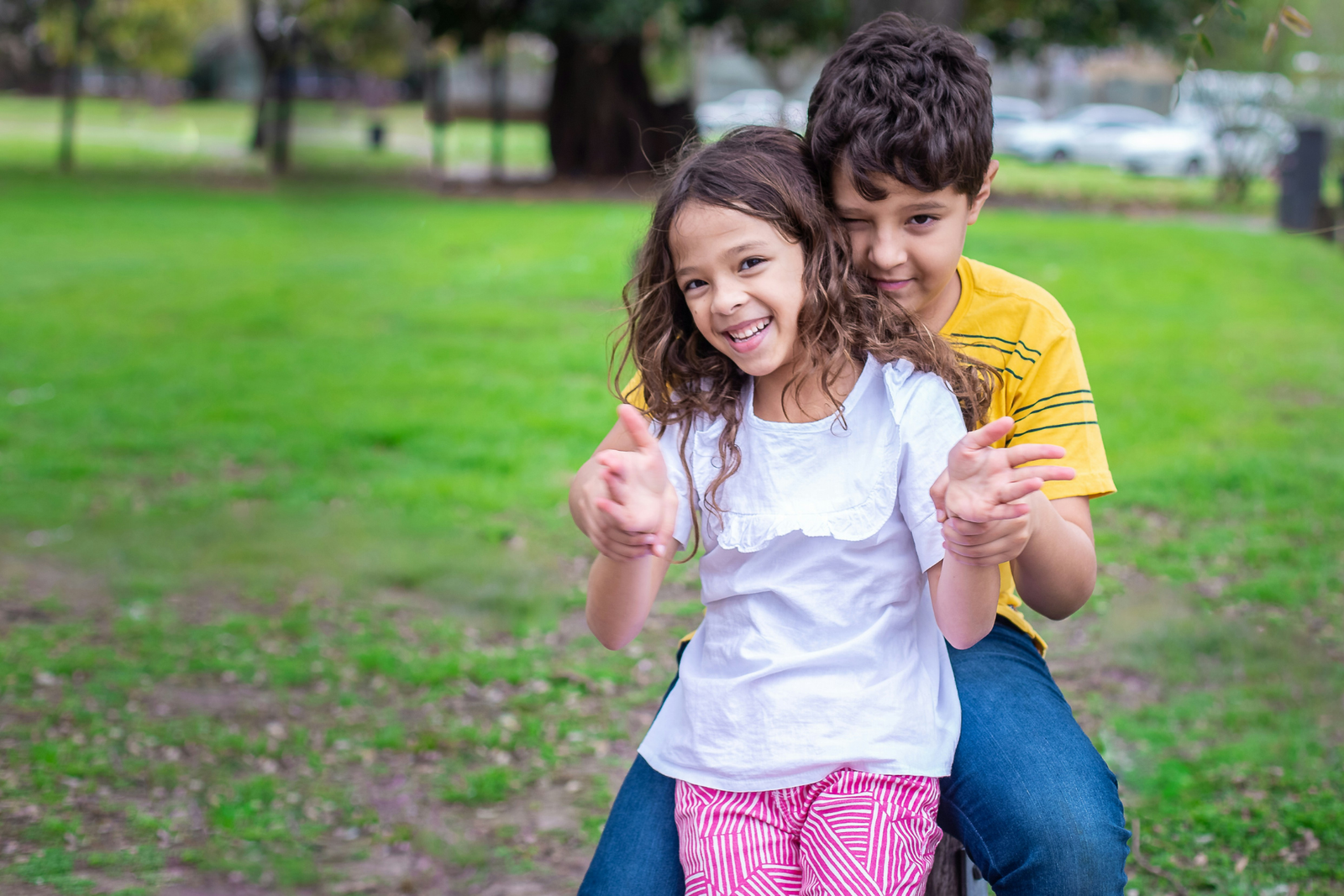
Think back to your childhood. What small, recurring moments bring a smile to your face? Maybe it was the specific way your family decorated for a holiday, a special birthday breakfast, or the silly song you sang on road trips. These moments, big and small, are family traditions. They are the threads that weave through our lives, creating a rich tapestry of shared experiences that define who we are and where we come from.
Family traditions are more than just repeated activities; they are the bedrock of family culture. They provide a sense of stability, strengthen emotional bonds, and create a legacy of memories that lasts a lifetime. This guide will explore why traditions are so vital for a family’s well-being and offer simple, actionable steps to help you start creating new ones that your family will cherish for years to come.
Why Family Traditions Matter So Much
In our often-hectic lives, traditions serve as important anchors. They are predictable moments of connection that we can look forward to, providing comfort and a sense of belonging. The psychological and emotional benefits are profound for both children and adults.
They Strengthen Family Bonds
Traditions create shared experiences that unite a family. When you participate in a ritual together, whether it’s a weekly pizza and movie night or an annual camping trip, you are building a collective history. These activities foster a sense of “we-ness,” reinforcing the idea that you are a team. This shared identity helps family members feel closer and more connected to one another, which is especially important during challenging times.
They Create Lasting Memories
The human brain is wired to remember emotionally significant events. The joy, laughter, and sense of togetherness that come with traditions make them powerful memory-makers. These are the stories that will be told and retold for generations. A simple tradition, like making pancakes together every Saturday morning, can become a cornerstone of a child’s happy memories of home, providing a deep sense of security and love.
They Provide a Sense of Identity and Belonging
Traditions are a way of passing down family values, stories, and cultural heritage. They help answer the question, “Who are we as a family?” For children, this is crucial for developing a strong sense of self. Knowing they are part of something bigger than themselves gives them confidence and a feeling of security. Whether it’s celebrating a cultural holiday in a specific way or volunteering together for a cause you believe in, traditions help instill the values that matter most to your family.
They Offer Stability in a Changing World
Life is full of changes and uncertainties. Children grow up, families move, and circumstances shift. Traditions provide a comforting sense of predictability and stability amidst this change. The familiar rhythm of an annual holiday ritual or a nightly bedtime story creates a safe harbor for children, reassuring them that even when other things in life are unpredictable, the family bond remains constant and strong.
Simple Tradition Ideas to Get You Started


Traditions don’t need to be elaborate or expensive. In fact, the most meaningful ones are often the simplest. They are about consistency and intention, not grand gestures. Here are some ideas across different categories to inspire you.
Daily and Weekly Traditions
These small, frequent rituals are the building blocks of family connection.
- Family Dinners: Make it a goal to eat dinner together, device-free, as many nights a week as possible. Use this time to share about your day.
- Weekly Game Night: Dedicate one night a week to playing board games, card games, or even video games together.
- Saturday Morning Pancakes: Start the weekend off with a special breakfast that everyone helps make.
- Bedtime Stories: A classic for a reason. Reading together every night is a powerful bonding experience.
- “High/Low” Sharing: At the end of the day, have each family member share the high point and low point of their day.
Holiday and Seasonal Traditions
Holidays are a natural time for traditions, but you can also create rituals around the seasons.
- Holiday Baking Day: Spend a day baking special treats associated with a holiday, like Christmas cookies or a Thanksgiving pie.
- First Snowfall Celebration: When the first snow of the season falls, celebrate with a special activity like making hot chocolate or going for a walk.
- Pumpkin Patch Visit: Make an annual trip to a local farm to pick out pumpkins in the fall.
- New Year’s Eve Time Capsule: At the end of each year, have everyone write down a favorite memory and a hope for the new year. Put them in a jar to be read the following New Year’s Eve.
Birthday Traditions
Make birthdays feel extra special with a unique family ritual.
- Birthday Breakfast in Bed: The birthday person gets to enjoy their favorite breakfast served in bed.
- The Birthday Chair: Decorate a special chair at the dinner table for the birthday person.
- A Year of Memories: On their birthday, look through photos and videos from the past year and reminisce about the happy moments.
- Donation in Their Name: As a family, make a small donation to a charity of the birthday person’s choice.
How to Start Your Own Family Traditions
Creating new traditions is a fun and creative process. It’s about finding activities that genuinely reflect your family’s unique personality and values.
1. Brainstorm Together
Get the whole family involved in the process. Ask your kids what activities they enjoy most or what they would like to do together more often. You might be surprised by their ideas. The more ownership everyone has in creating the tradition, the more likely it is to stick.
2. Look to Your Own Childhood
Think about the traditions you loved as a child. Are there any you would like to bring back and adapt for your own family? Sharing a tradition from your past is a wonderful way to connect your children to their heritage.
3. Start Small and Be Realistic
Don’t try to implement five new traditions at once. Choose one or two simple ideas to start with. The key is consistency, so pick something that you can realistically commit to. A simple weekly tradition is often more impactful than a complex annual one that causes stress.
4. Be Flexible and Let It Evolve
Traditions are not meant to be rigid rules. As your children get older and family dynamics change, your traditions will naturally evolve. A weekly game night might turn into a movie night as teenagers’ interests shift. The important thing is to maintain the spirit of connection, even if the activity itself changes.
5. Focus on the “Why”
Remember that the purpose of a tradition is to spend quality time together and create positive feelings. Don’t get so caught up in making it “perfect” that it becomes a source of stress. If you burn the pancakes, laugh about it. The goal is connection, not perfection.
Conclusion
Family traditions are the glue that holds a family together. They are the rituals that create a unique family identity, foster a sense of belonging, and build a treasure trove of memories that will be cherished for a lifetime. In a world that is constantly changing, these shared experiences provide an essential anchor of love and stability.
If your family doesn’t have many traditions, it’s never too late to start. Begin today by choosing one small, intentional activity to do together. Whether it’s a walk after dinner or a special weekend breakfast, you are planting a seed that, with time and care, will grow into a beloved family tradition.