As children, our lives were often filled with hobbies. We had soccer practice, piano lessons, and art classes—activities dedicated purely to learning and enjoyment. As we move into adulthood, however, the pressures of career, family, and daily responsibilities can push these personal pursuits to the side. The idea of starting something new can feel daunting, like just another item on an already overflowing to-do list. But what if a hobby could be the very thing that recharges you, reduces stress, and brings a renewed sense of joy and purpose into your life?
It’s never too late to learn a new skill or discover a hidden passion. A hobby is a powerful tool for personal growth and well-being, offering a much-needed escape from the daily grind. This guide will walk you through the benefits of having a hobby and provide practical, actionable steps on how to start a new hobby as an adult. It’s time to rediscover the fun of learning and make space for activities that are just for you.
Why Hobbies for Adults Are More Than Just a Pastime
In a culture that often glorifies being busy, dedicating time to a non-work-related activity can feel unproductive. However, the benefits of having a hobby extend far beyond simple entertainment. They are crucial for maintaining a balanced and healthy life.
1. Reduces Stress and Improves Mental Health
Engaging in an activity you enjoy is a powerful form of self-care. Hobbies provide a mental escape, allowing you to focus on a present task and quiet the anxious thoughts that often accompany a busy life. Whether it’s the mindful repetition of knitting, the focus required for woodworking, or the physical release of dancing, a hobby can significantly lower stress levels, reduce symptoms of anxiety and depression, and boost your overall mood.
2. Fosters Personal Growth and Boosts Confidence
To start a new hobby is to embark on a journey of learning. As you move from a clumsy beginner to a more competent practitioner, you build new skills and gain a tangible sense of accomplishment. This process can be a massive confidence booster. Mastering a new chord on the guitar or successfully baking a loaf of sourdough bread proves that you are capable of growth and learning, a feeling that can translate into other areas of your life.
3. Enhances Creativity and Problem-Solving Skills
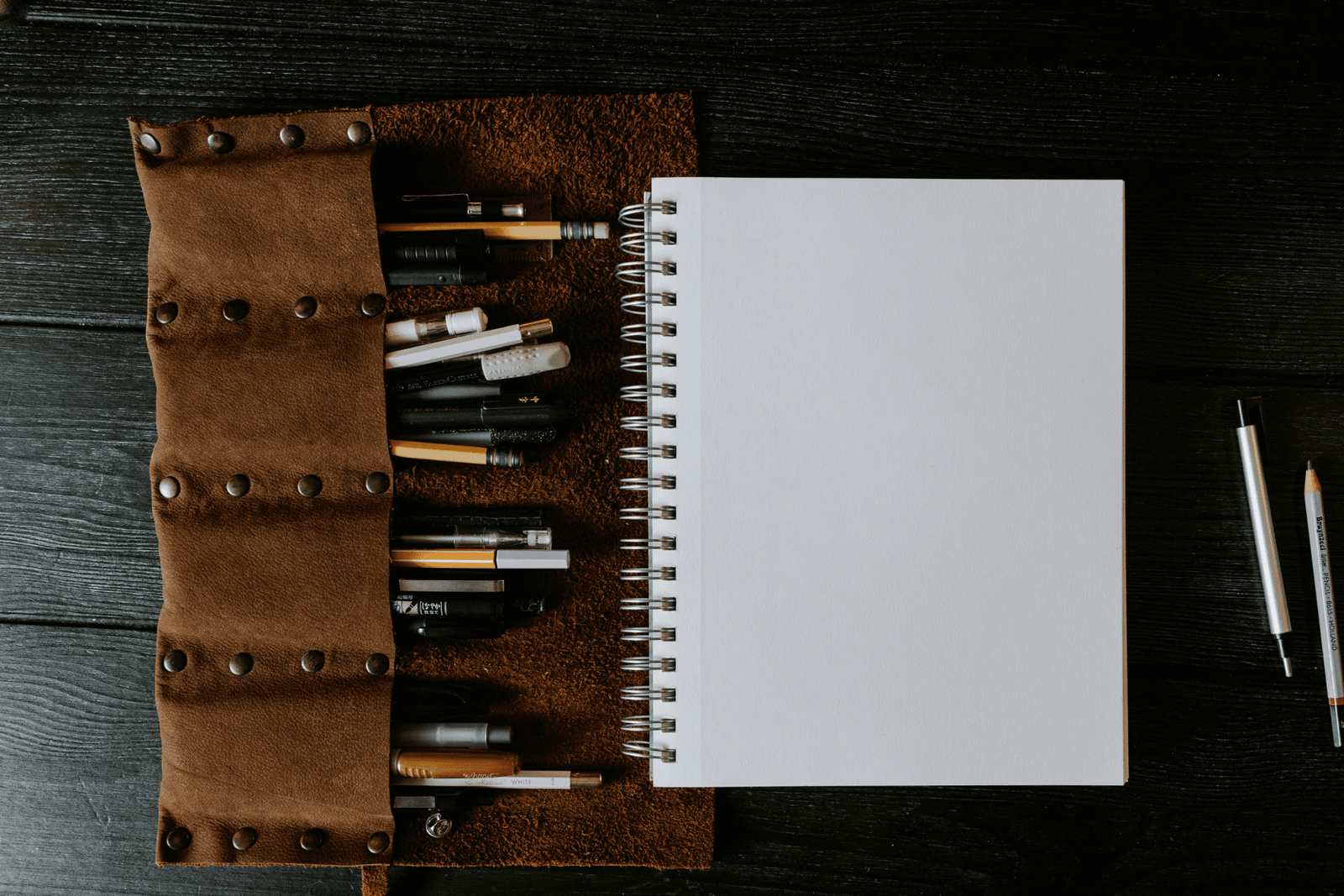


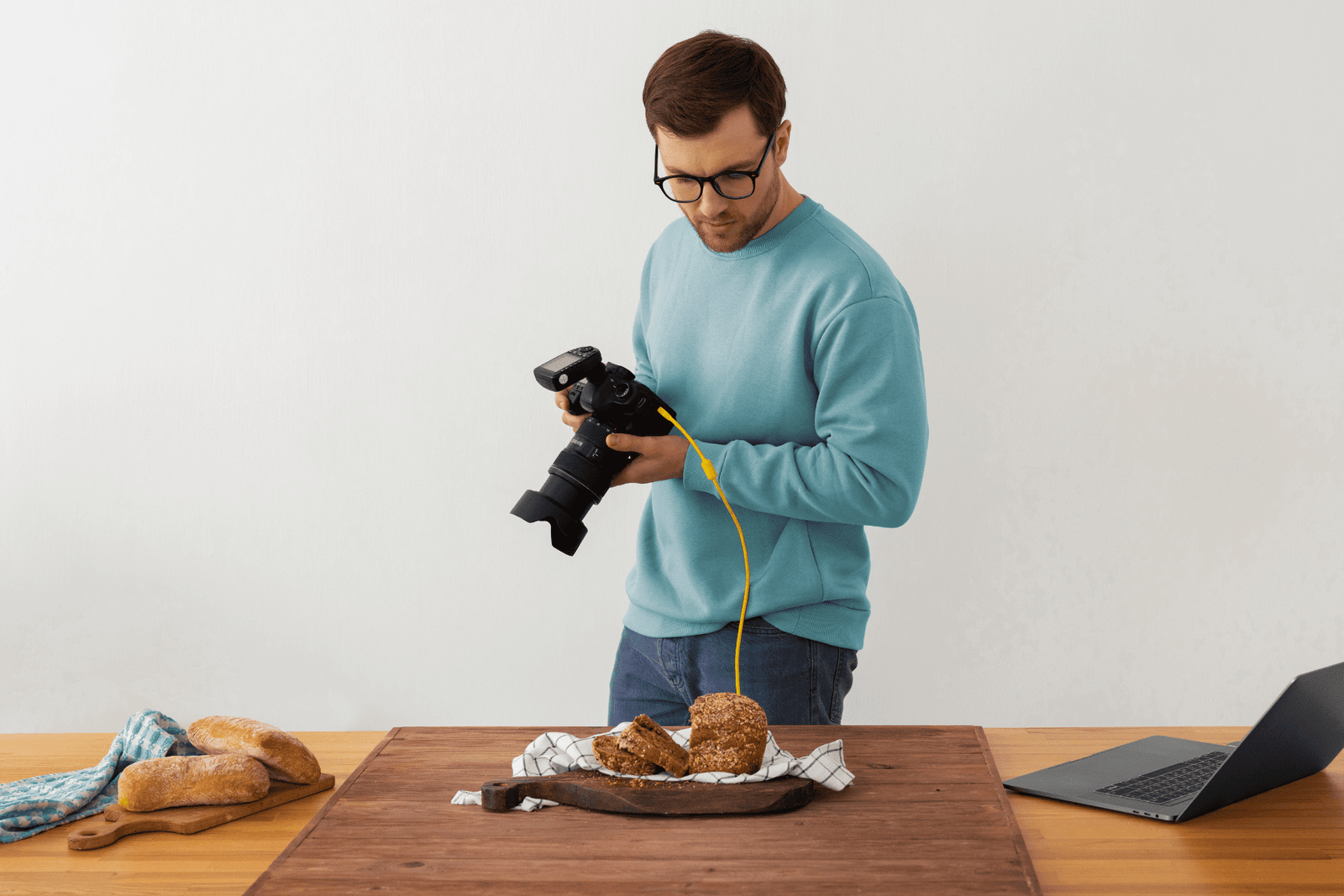
Hobbies often require you to think in new and different ways. Learning to paint involves understanding color theory and composition, while gardening requires you to solve problems related to soil, sunlight, and pests. These creative challenges stimulate your brain, improving your neuroplasticity—its ability to form new connections. This can make you a more innovative and effective problem-solver in both your personal and professional life.
4. Expands Your Social Circle
Many hobbies offer opportunities to connect with like-minded individuals. Joining a hiking club, a book group, a pottery class, or a community sports league can introduce you to people outside of your usual social and professional circles. These connections, built around a shared interest, can lead to meaningful friendships and a stronger sense of community.
How to Discover and Start a New Hobby: A Step-by-Step Guide
The idea of finding a new passion can be intimidating. “I don’t even know what I like!” is a common refrain. The following steps are designed to help you explore your options and get started without feeling overwhelmed.
Step 1: Brainstorm and Rediscover Your Interests
The first step is to simply explore possibilities. Don’t put any pressure on yourself to commit; just let your curiosity lead the way.
- Look Back at Your Childhood: What did you love to do as a kid before you worried about being “good” at it? Did you love drawing, building with LEGOs, riding your bike, or making up stories? These early passions can be a great starting point to discover new interests.
- Think About What You Admire: Are you always impressed by friends who can play an instrument, speak another language, or cook a gourmet meal? Your admiration might be a sign of a hidden desire to learn that skill yourself.
- Browse for Inspiration: Go to a library or bookstore and wander through the aisles. Look at community center course catalogs. Scroll through platforms like Pinterest, YouTube, or Skillshare, searching for terms like “DIY projects” or “beginner tutorials.” Make a list of anything that sparks even a tiny bit of interest.
Step 2: Categorize Your Options
Once you have a list of potential hobbies, it can be helpful to group them into categories. This can help you identify what kind of experience you are truly seeking. Common categories of hobbies for adults include:
- Creative Hobbies: Painting, writing, photography, pottery, graphic design, playing a musical instrument.
- Physical Hobbies: Hiking, dancing, yoga, rock climbing, cycling, team sports.
- Intellectual Hobbies: Learning a new language, coding, playing chess, attending lectures, reading non-fiction.
- Domestic Hobbies: Baking, cooking, gardening, home brewing, sewing.
- Community-Oriented Hobbies: Volunteering, joining a local board, organizing community events.
Step 3: Test the Waters Before You Dive In
You don’t need to buy a thousand dollars’ worth of equipment to start a new hobby. The key is to lower the barrier to entry and try things out with minimal commitment.
- Look for Taster Workshops or Intro Classes: Many studios and community centers offer one-day workshops or short introductory courses. This is a perfect way to try pottery, painting, or coding without a long-term commitment.
- Utilize Free Online Resources: YouTube is a goldmine of free tutorials for almost any hobby imaginable. Want to learn to knit? There are thousands of videos for absolute beginners. Curious about calligraphy? You can learn the basic strokes with just a pen and paper.
- Borrow or Rent Equipment: Before you invest in expensive gear, see if you can borrow from a friend. If you want to try kayaking, rent one for an afternoon. If you’re considering photography, see if you can borrow a camera.
Step 4: Embrace the Beginner’s Mindset
This might be the most crucial step of all. As adults, we are often afraid of looking foolish or being bad at something. To successfully start a new hobby, you must give yourself permission to be a beginner.
- Let Go of Perfectionism: Your first painting will not be a masterpiece. Your first knitted scarf will have holes in it. Your first attempt at a new language will be full of mistakes. This is not only okay; it is a necessary part of the learning process.
- Focus on the Process, Not the Outcome: Try to find joy in the act of doing, rather than focusing solely on the final product. Enjoy the feeling of the clay in your hands, the pleasure of a walk in the woods, or the fun of experimenting with new flavors in the kitchen.
- Track Your Progress: Take photos of your early attempts. It can be incredibly motivating to look back after a few months and see how far you’ve come.
Step 5: Make It a Habit
Once you’ve found a hobby you enjoy, the next challenge is to integrate it into your life.
- Schedule It: Just like you would schedule a workout or a meeting, block out time in your calendar for your hobby. Even 30 minutes twice a week can be enough to make progress and keep the momentum going.
- Find an Accountability Partner: Share your new interest with a friend. Even better, find someone who wants to learn with you. Having someone to share the experience with can make it more fun and keep you motivated.
Conclusion: Give Yourself the Gift of a Hobby
Starting a new hobby as an adult is a powerful act of self-investment. It’s a declaration that your joy, creativity, and personal growth matter. It provides a sanctuary from the demands of daily life and reconnects you with a sense of play and curiosity.
Don’t wait for the “perfect time” to start. Begin today by simply making a list of things that pique your interest. Choose one, find a beginner’s tutorial online, and give it a try for 20 minutes. You have nothing to lose and a world of fulfillment, connection, and joy to gain.