When we define a hobby, it is probably an activity that brings joy or a moment to find yourself and take distance from the hectic chaos.
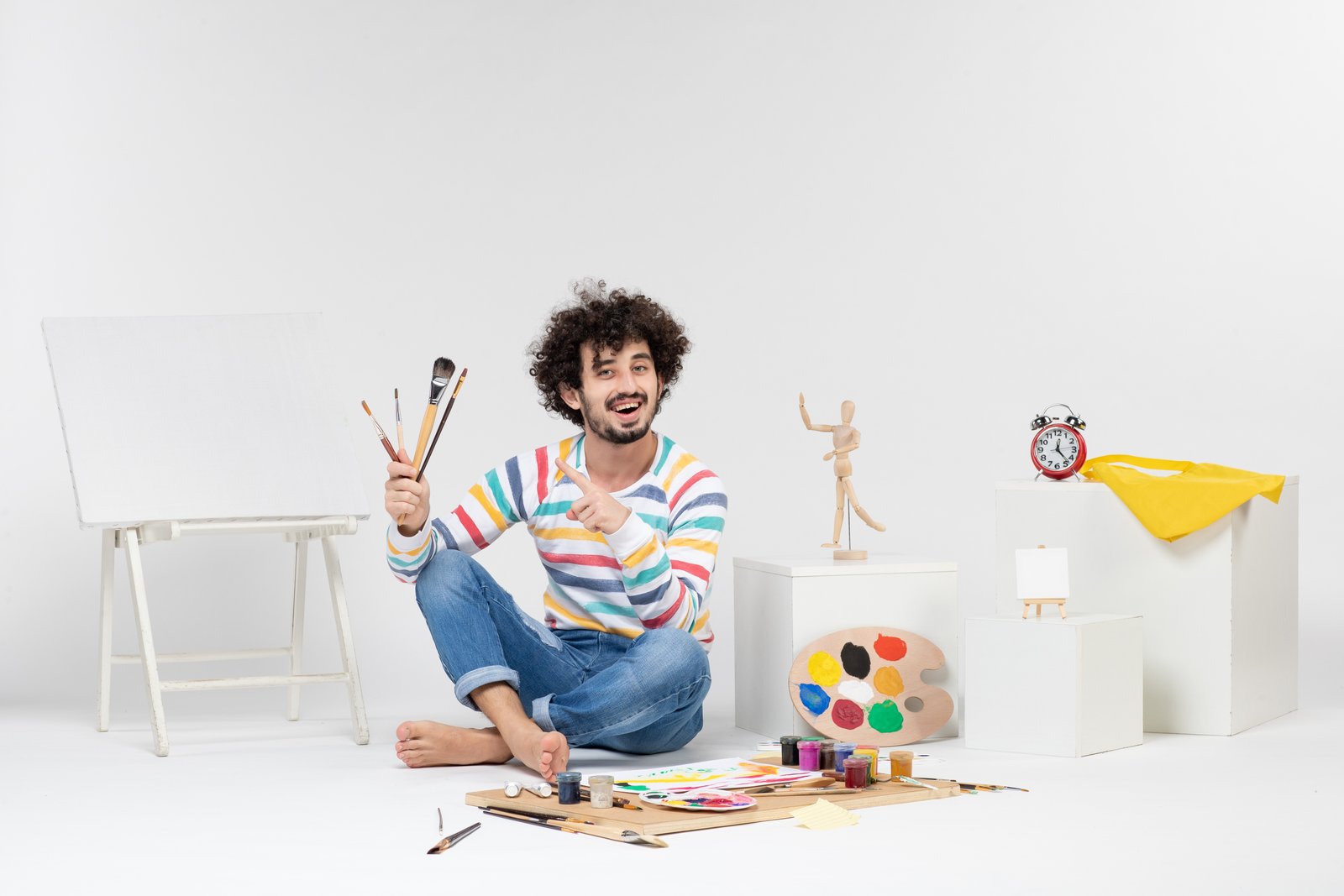
In childhood, hobbies are simply called “playing”. We play not to build a great identity but to discover and enjoy ourselves. We don’t paint to be Picasso; we paint to create a magical world on paper. We play games not to win great battles, but simply to enjoy the journey of winning.
In the transition from childhood to adulthood, the meaning of hobbies shifts from pure discovery to intentional recovery.
To live in the same routine is easy: wake up, do your work, scroll unintentionally, then sleep and repeat the cycle. That loop can keep you stuck and lost in it.
But when you make time for what you genuinely love to do, you feel lighter.
The small effort to make time for yourself and to enjoy it supports your mental and physical health, as well as your spirituality, and enriches your journey.
How New Hobbies Reshape and Renew the Mind
When repetition becomes a comfort space, starting a new habit can feel like a threat to your lethargic comfort rather than true comfort. Imagine your brain as a city: when you sit as you usually do on the couch, doing the same things, it is simply a way to carry yourself forward, not a path to progress or development. But when we pick up new hobbies, like learning the guitar or figuring out complex knitting patterns, it works as if our brain is giving instructions to adapt and develop new abilities.
This process in the nervous system is called synaptogenesis; it is like the brain building new connections. Every time you try to learn something and struggle through it, your brain cells are literally reaching out and “shaking hands”. It creates new signals and connections that you have never experienced before.
Hobbies work in a similar way. They provide new connections and new experiences, and the complexity of learning something the stage where you struggle, learn, and begin to enjoy the process helps build your brain and calm your mental state.
How hobbies are helpful to boost your health
Since we know that hobbies play a significant role in maintaining our mental or physical health. But ever wonder how adopting small habits and picking simple hobbies impacts your brain and nervous system?
These are the ways that help one to learn how hobbies become a game-changing habit to live a calm and stress-free life.
1. Playful Hobbies Reduce Stress
Remember how we used to play without permission? No schedule, no outcome Just you and the moment. Somewhere along the way, adulthood labelled that as ‘wasteful’. But Ludenic Recovery suggests the opposite. When you do something purely for enjoyment, the body interprets it as safety, which is helpful for lowering cortisol and loosening muscles. The mind stops scanning for threats. It simply tells your nervous system, “Nothing is wrong right now.” And for a while… it believes you.
2. Hobbies That Break Daily Routine Fatigue
The day starts with scheduled things or hundreds of tiny decisions. By evening, the brain is tired in a very specific way. Decision fatigue and you scroll, thinking it’s rest, but it isn’t. It’s just mental boredom. A hobby interrupts that pattern like a sudden change in music. You pick up a brush or any other tools, like strings on an instrument. New neural pathways activate. The exhausted circuits pause so that some effort becomes refreshment.
3. How New Hobbies Strengthen Your Brain
Learning something new rarely feels smooth. It’s awkward. You make mistakes, and more likely, you want to quit. But inside the brain, construction is underway. Synaptogenesis is quietly linking neurones. Neuroplasticity is reshaping networks like tiny bridges forming between distant neighbourhoods. Communication speeds up. White matter thickens. The struggle you feel is evidence of growth. Not even failure, but sometimes growth often looks messy from the outside.
4. Why Hobbies Reduce Anxiety




There are moments when you disappear into what you’re doing. Time stretches and self-awareness fades. This is flow, which usually happens when challenge and ability meet in perfect tension. The frontal brain region softens its grip. Transient hypofrontality, technically speaking. Practically speaking, silence. The inner critic stops narrating. Without that constant commentary, anxiety loses its anchor. You’re not worrying. You’re just doing it.
5. Hobbies That Calm the Nervous System
Modern living keeps the body prepared for emergencies that never arrive. Emails feel urgent, and notifications feel important. The sympathetic nervous system stays active. But rhythmic hobbies introduce repetition and predictability. Hands move. Breathing settles down, and the vagus nerve responds. The sympathetic activity increases. Heart rate slows. Blood pressure eases. The body shifts from defence to restoration.
6. Meaningful Hobbies vs. Instant Dopamine
Instant rewards are everywhere. Quick likes, rapid hits. Quick emptiness afterward. That’s cheap dopamine. Effortful dopamine unfolds differently. You work. You persist. You complete something tangible. The reward arrives slowly but lingers longer. This process strengthens self-efficacy, the internal belief that you are capable of shaping outcomes. It’s not flashy. It’s durable.
7. Active Hobbies for Physical Health
Movement feels different when it belongs to a story. Walking because a view is waiting. Dancing because music insists. Functional fitness suggests that joyful motion integrates more naturally into the body’s systems and muscles contract. Endorphins are released. Myokines are cells that circulate biochemical signals that reduce inflammation and support brain health. The body strengthens while attention is elsewhere. Health emerges as a side effect of engagement.
8. Hobbies That Create Purpose and Wonder
Standing before something massive shifts perception instantly. A wide horizon. A detailed creation. The science of wonder observes measurable change in these moments – harmful cytokines decrease. The self feels smaller. Problems lose scale. Meaning expands without explanation. Hobbies that evoke awe create a psychological buffer. A quiet reassurance that life extends beyond immediate pressures. Perspective restores balance.
9. Social Benefits of Hobbies
Connection often begins with a shared interest when two people are discussing a craft. A group moving toward a common goal. Social identity theory explains the stabilising power of belonging. Identity expands from individual to whole. Oxytocin is released, and physiological calm follows social trust. The world appears less hostile when companionship is present. Community doesn’t remove difficulty.
10. Hobbies That Protect Memory and Brain Health
The brain accumulates capacity through challenge. Cognitive Reserve Theory frames this as a protective reserve. Complex hobbies demand adaptation, learning and persistence. New neural routes develop. It takes many forms within networks. When ageing affects certain pathways, alternative routes remain available. Memory continues. Personality endures. The investment is gradual. The return is longevity of function.
Final thought
Through all this information we find that picking hobbies provides strength to deal with social anxiety and stress. Learning these habits protects our memory and brain health. It give a space to engage yourself to enjoyment and to fight with brain rot. Hobbies are a way to pick yourself up and find a new form of calmness and self-centredness.
Frequently Asked Questions
What is considered a hobby?
A hobby is any activity you do for enjoyment, curiosity, or relaxation rather than obligation or productivity.
How do hobbies reduce stress biologically?
Enjoyable activities signal safety to the brain, which helps lower stress hormones and relax the nervous system.
Can hobbies really improve brain function?
Yes. Learning new skills forms new neural connections, improving flexibility, memory, and overall cognitive health.
Are passive activities like watching TV considered hobbies?
They can be relaxing, but active engagement (creating, learning, moving) provides stronger mental and physical benefits.
How often should someone practise a hobby for health benefits?
Even small, regular sessions a few times a week can support mood, focus, and stress regulation.
Can hobbies help prevent memory decline?
Challenging activities build cognitive reserve, which supports memory and mental function as the brain ages.
Are social hobbies better than solo hobbies?
Both are valuable. Social hobbies strengthen connection and emotional health, while solo hobbies support focus and personal reflection.