We live in an age of instant gratification. With a few taps, we can have food delivered, stream a movie, or get an answer to nearly any question. While this convenience is remarkable, it has an unintended side effect: it erodes our ability to wait. We’ve become accustomed to speed, and anything that takes time—from a slow-loading webpage to a long-term personal goal—can feel like a source of intense frustration. This constant state of urgency makes patience more valuable, and more challenging to practice, than ever before.
This guide will explore why cultivating patience is essential for your well-being and success. We will provide actionable strategies to help you manage stress, improve your relationships, and stay committed to your long-term goals. By learning to slow down and embrace the process, you can navigate life with greater composure, resilience, and a deeper sense of peace.
Why Patience Is a Modern Superpower
Patience isn’t about passive waiting or inaction. It is an active state of perseverance and calm acceptance that what you want may take time to achieve. Developing it can fundamentally improve your quality of life.
It Reduces Stress and Improves Mental Health
Impatience is a form of stress. When we feel rushed or frustrated by delays, our bodies release stress hormones like cortisol. This can lead to anxiety, irritability, and even physical health problems over time. By cultivating patience, you learn to respond to delays and setbacks with calm instead of agitation. This emotional regulation lowers your overall stress levels and promotes a more peaceful state of mind.
It Strengthens Your Relationships
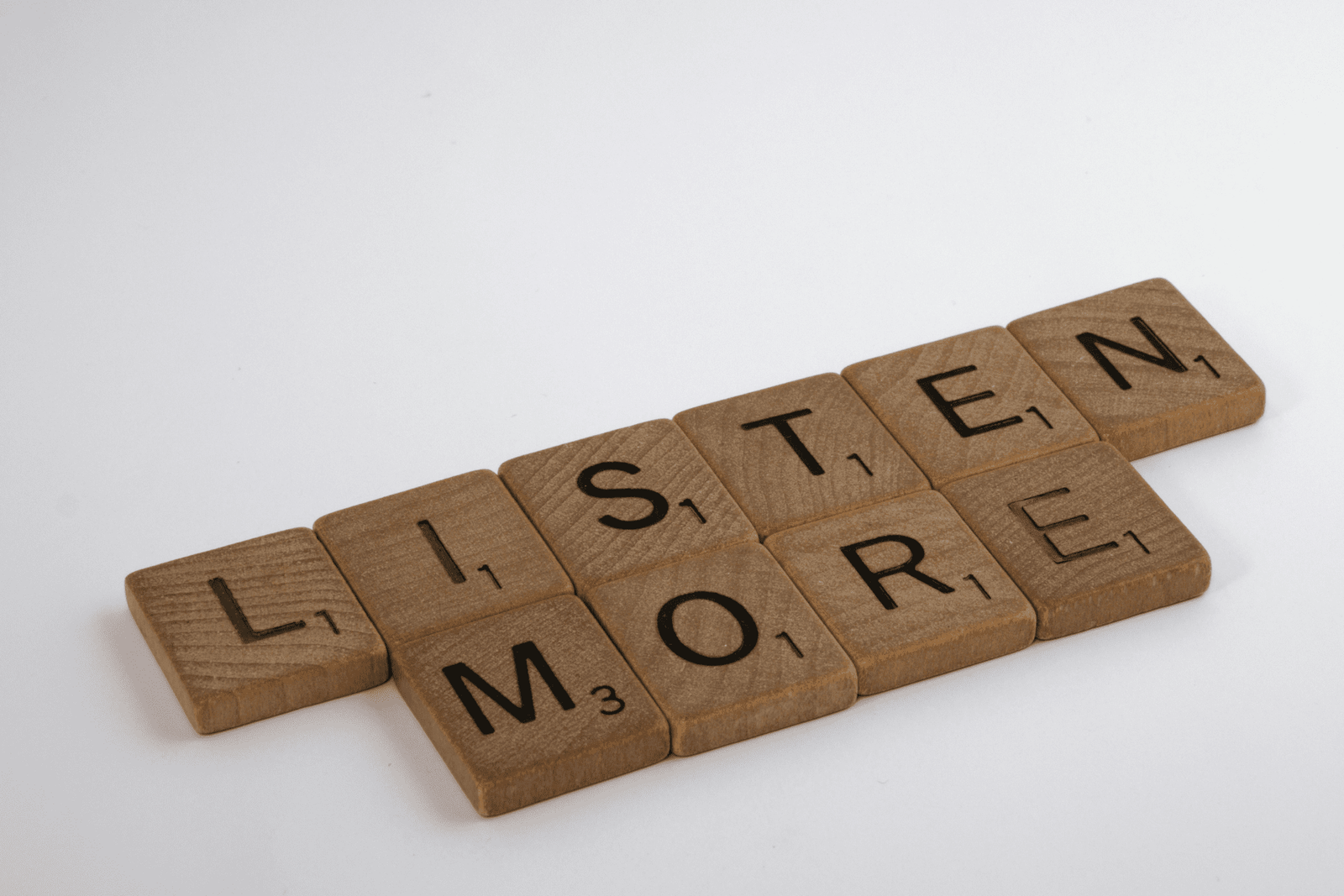
Impatience can be toxic to relationships. It can make you quick to anger with a partner, interrupt a friend before they finish their thought, or become frustrated with a child who is learning something new. Patience, on the other hand, is a cornerstone of empathy and understanding. It allows you to listen fully, give people the space to be themselves, and respond to conflict with a level head. This fosters deeper trust, connection, and harmony in your personal and professional interactions.
It Is the Key to Achieving Long-Term Goals



Meaningful achievements—whether it’s building a career, learning a new skill, or getting in shape—rarely happen overnight. They require sustained effort, persistence through setbacks, and the ability to delay gratification. Impatience can cause you to give up too soon when you don’t see immediate results. Patience gives you the fortitude to stay the course, trusting that your consistent efforts will eventually lead to success.
Actionable Strategies to Cultivate Patience
Patience is a skill, and like any skill, it can be developed with conscious practice. Here are some effective strategies to help you become a more patient person.
1. Practice Mindfulness to Anchor Yourself in the Present
Much of our impatience stems from a desire to rush toward a future moment, which causes us to miss the present one entirely. Mindfulness is the practice of bringing your attention to the present without judgment.
- Focus on Your Breath: When you feel impatience rising, take a few deep, slow breaths. Concentrate on the sensation of air filling your lungs and then being released. This simple act can interrupt the stress response and ground you in the here and now.
- Engage Your Senses: In moments of frustration, like waiting in a long line, tune into your senses. Notice five things you can see, four things you can feel, and three things you can hear. This technique pulls your mind away from the source of your impatience and into your immediate environment.
2. Identify Your Impatience Triggers
Impatience often arises in specific, predictable situations. By identifying what triggers your frustration, you can prepare for it and choose a different response.
- Keep an “Impatience Journal”: For a week, make a note of every time you feel impatient. What was the situation? Were you running late? Were you dealing with a particular person or technology?
- Look for Patterns: Once you identify your triggers—perhaps it’s morning traffic or slow Wi-Fi—you can develop a plan. For example, if traffic is a trigger, you could leave 15 minutes earlier or listen to a calming podcast during your commute. Awareness is the first step toward change.
3. Reframe Your Perspective and Set Realistic Expectations
Often, our frustration comes from a mismatch between our expectations and reality. We expect things to be fast and easy, and when they aren’t, we become agitated.
- Embrace the “Wait” as Part of the Process: Instead of viewing waiting as wasted time, try to reframe it as a necessary part of the journey. The time spent waiting for a download can be a moment to stretch. The time spent in a doctor’s office can be an opportunity to read a book.
- Set Realistic Timelines: Be honest with yourself about how long things actually take. If you are constantly feeling rushed, you may be over-scheduling your days. Build buffer time into your schedule to account for unexpected delays. This reduces the pressure and allows you to move through your day with more ease.
4. Practice Delayed Gratification in Small Ways
Our “on-demand” culture has weakened our ability to delay gratification. You can rebuild this mental muscle by consciously practicing waiting for things you want.
- Start Small: Choose small, low-stakes ways to practice. Wait an hour before checking your social media in the morning. Save the last episode of your favorite show for the next day. Cook a meal from scratch instead of ordering takeout.
- Celebrate the Wait: These small acts of self-discipline strengthen your patience. Acknowledge your effort and recognize that you are capable of waiting. This builds the confidence to apply patience to bigger, more meaningful goals.
5. Shift Your Focus to the Bigger Picture
Impatience often arises when we are hyper-focused on a minor, immediate annoyance. Taking a step back and considering the larger context can diffuse frustration.
When you’re stuck in traffic, remind yourself that a 10-minute delay is insignificant in the grand scheme of your day or week. When you’re frustrated by a slow learning curve on a new skill, focus on the long-term goal of mastering it, not the short-term struggle. Ask yourself: “Will this matter in an hour? A day? A year?” Often, the answer is no.
Conclusion
Cultivating patience is a conscious choice to swim against the current of our fast-paced world. It requires you to prioritize long-term well-being over short-term convenience and to respond to life’s inevitable delays with grace rather than frustration.
Start by choosing one strategy from this guide to focus on this week. Be patient with yourself in this process—developing patience, ironically, takes time. As you begin to practice these techniques, you will find that you are not only better equipped to handle life’s challenges but also more present to enjoy its simple joys. In a world that prizes speed, the ability to slow down is a quiet, powerful act of self-care.