When life feels overwhelming, your heart pounds, your thoughts race, and your shoulders tense up. In these moments of high stress and anxiety, it’s easy to feel like you’ve lost control. What if one of the most powerful tools for reclaiming your calm is something you do thousands of times a day without a second thought? The answer is your breath.
Controlled breathing is a simple, free, and instantly accessible technique to manage your body’s stress response. This guide will explore how intentional breathing can calm your nervous system and bring you back to a state of balance. We’ll provide step-by-step instructions for easy and effective breathing exercises that you can use anytime, anywhere, to find immediate relief.
How Your Breath Controls Your Stress Response
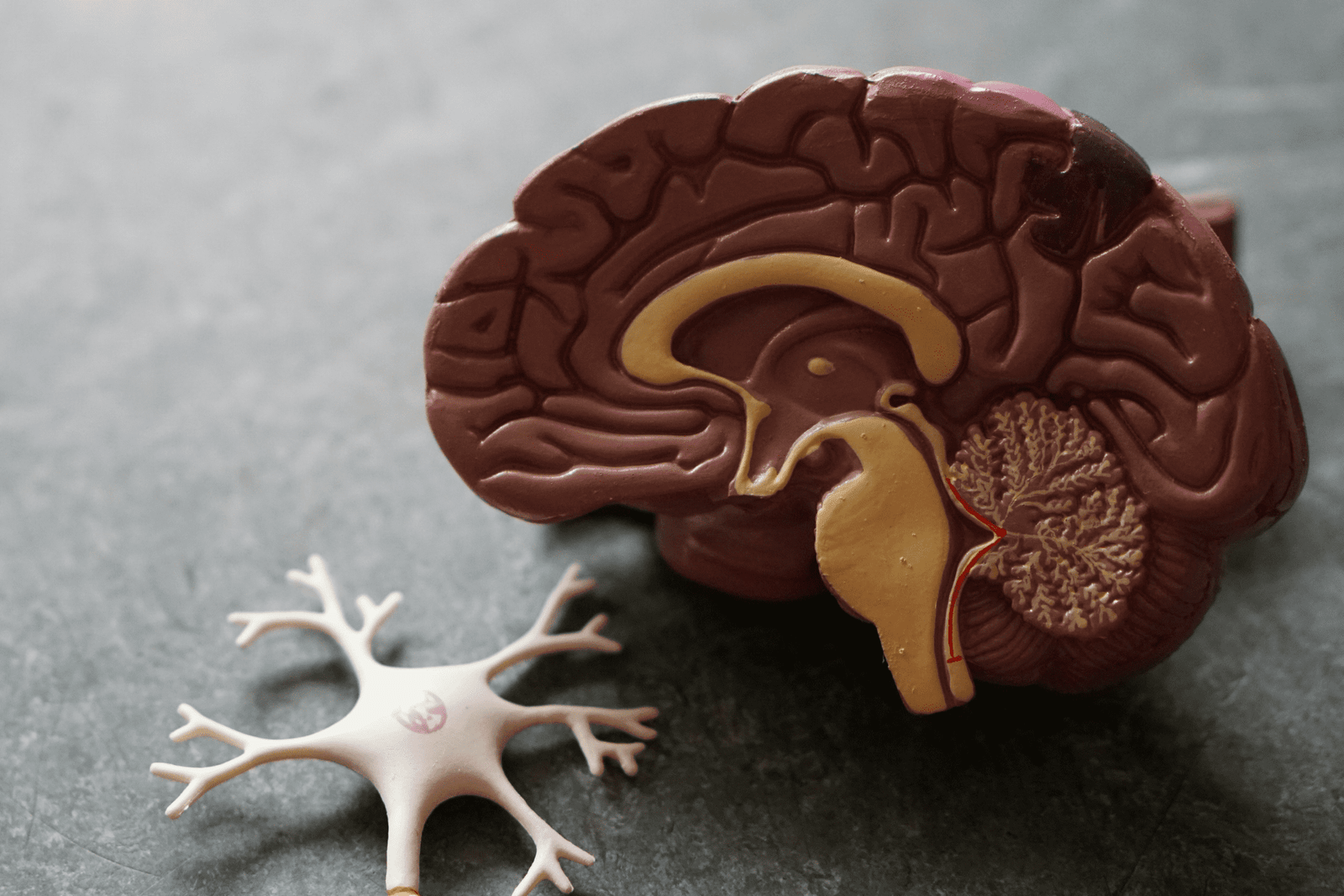
To understand why breathing exercises work, we need to look at the autonomic nervous system. This system regulates involuntary bodily functions like heart rate, digestion, and breathing. It has two main branches: the sympathetic nervous system (the “fight-or-flight” response) and the parasympathetic nervous system (the “rest-and-digest” response).
When you perceive a threat—whether it’s a looming deadline or a sudden scare—your sympathetic nervous system kicks in. It releases stress hormones like cortisol and adrenaline, which increase your heart rate, quicken your breath, and tense your muscles. This response is designed to prepare you for immediate action. The problem is, modern life often keeps this system on high alert, leading to chronic stress and anxiety.
This is where your breath becomes your superpower. Breathing is unique because it’s both an automatic and a voluntary process. By consciously slowing down and deepening your breath, you can manually activate your parasympathetic nervous system. This sends a powerful signal to your brain that the danger has passed, effectively putting the brakes on the stress response. A slow, controlled breath tells your body it’s safe to relax, lowering your heart rate, reducing blood pressure, and calming your mind.
Breathing Exercises to Calm Your Mind and Body
The best part about these exercises is their simplicity. You don’t need any special equipment, and you can practice them discreetly wherever you are. Find a comfortable position, either sitting upright or lying down, and let’s begin.
1. Diaphragmatic Breathing (Belly Breathing)
This is the foundation of most relaxation techniques. Many of us are “chest breathers,” taking shallow breaths that don’t fully engage our lungs. Diaphragmatic breathing encourages you to use your diaphragm, the large muscle at the base of your lungs, for a deeper, more efficient breath.
How to do it:
- Sit or lie down comfortably. Place one hand on your upper chest and the other on your belly, just below your rib cage.
- Breathe in slowly through your nose for about four seconds. As you inhale, focus on allowing your belly to expand and push your hand outward. The hand on your chest should remain relatively still.
- Exhale slowly through your mouth (or nose) for about six seconds, feeling your belly gently fall as you release the air.
- Continue this pattern for 5-10 minutes. The extended exhale is key to activating the parasympathetic nervous system.

When to practice: This is a perfect exercise to do before bed to unwind, or anytime you feel your stress levels starting to rise.
2. Box Breathing (Square Breathing)
Made popular by Navy SEALs, box breathing is a powerful technique for calming the nerves and improving focus under pressure. Its simple, four-part structure makes it easy to remember and practice anytime you need to center yourself.
How to do it:
- Find a comfortable seated position and gently exhale all the air from your lungs.
- Inhale: Breathe in slowly through your nose for a count of four.
- Hold: Hold your breath for a count of four.
- Exhale: Breathe out slowly through your mouth for a count of four.
- Hold: Hold your breath at the end of the exhale for a count of four.
- Repeat this “box” cycle for at least five rounds, or until you feel a sense of calm.
When to practice: Box breathing is excellent for moments of acute stress, such as before a big presentation, during a difficult conversation, or when you feel overwhelmed by your to-do list.
3. The 4-7-8 Breathing Technique
Developed by Dr. Andrew Weil, the 4-7-8 breath is described as a “natural tranquilizer for the nervous system.” It is particularly effective for combating anxiety and helping you fall asleep more quickly. The long hold and extended exhale powerfully trigger the relaxation response.
How to do it:
- Sit with your back straight. Place the tip of your tongue against the ridge of tissue just behind your upper front teeth and keep it there throughout the exercise.
- Exhale completely through your mouth, making a gentle “whoosh” sound.
- Close your mouth and inhale quietly through your nose to a mental count of four.
- Hold your breath for a count of seven.
- Exhale completely through your mouth, making the “whoosh” sound, to a count of eight.
- This completes one breath cycle. Inhale again and repeat the cycle three more times for a total of four breaths.
When to practice: This technique is especially useful for quieting a racing mind before sleep or for managing a sudden wave of panic or anxiety.
4. Alternate Nostril Breathing (Nadi Shodhana)
This is a classic pranayama (yogic breathing) practice designed to balance the two hemispheres of the brain, calm the mind, and unify the body’s energy channels. It can leave you feeling both relaxed and alert.
How to do it:
- Sit in a comfortable position with your spine straight.
- Rest your left hand on your left knee. Bring your right hand up to your nose. Fold your index and middle fingers down, and you will use your thumb and ring finger.
- Close your right nostril with your right thumb and exhale gently through your left nostril.
- Inhale slowly and deeply through your left nostril.
- Close your left nostril with your ring finger, release your thumb from the right nostril, and exhale slowly through the right nostril.
- Inhale slowly through the right nostril.
- Close the right nostril with your thumb, release your ring finger, and exhale through the left nostril.
- This completes one full round. Continue for 5-10 rounds, focusing on a smooth, even breath.
When to practice: Use this exercise in the morning to start your day with focus, or during an afternoon slump to reset your energy without stimulants.
Tips for a Consistent Practice
- Start Small: You don’t need to meditate for an hour. Just three to five minutes of focused breathing can make a significant difference.
- Link It to a Habit: Practice your breathing exercises right after a habit you already have, like brushing your teeth or finishing your morning coffee. This makes it easier to remember.
- Don’t Force It: The goal is relaxation, not perfection. If you get distracted, gently guide your focus back to your breath without judgment.
- Set Reminders: If you have a desk job, set an hourly alarm to take just 60 seconds to do a few rounds of belly breathing or box breathing.
Conclusion
Your breath is a powerful anchor that is always with you, ready to guide you back to a state of calm. By practicing these simple breathing exercises, you can learn to skillfully manage your body’s response to stress and anxiety. You are not at the mercy of your racing heart or anxious thoughts; you have the ability to consciously shift your state of being.
Start by choosing one exercise that resonates with you and commit to practicing it daily. With time, you’ll find that turning to your breath becomes a natural, immediate response to life’s challenges, empowering you to navigate your days with greater ease and resilience.