Hydration plays a critical role in sports. For elite athletes, drinking water when they are thirsty is not enough. Adequate hydration is part of a carefully planned strategy that ensures they maintain energy levels, endurance, and recovery.
During serious training or competition, a person sweats out fluid. While you lose water, you also lose electrolytes (important minerals). When these fluids and minerals aren’t replaced adequately, athletes are likely to face fatigue, muscle cramps, lack of coordination, and performance drops.
This is the reason why elite athletes consciously monitor what they drink before, during, and after training or competition. The hydration strategies they implement, which are forgotten about by regular people, are sports science-based and get their bodies working.
Why Is Hydration Important for Athletic Performance?
Water helps in regulating body temperature, circulation, and muscle function. When an athlete is dehydrated even slightly, their performance will drop.
When the body gets dehydrated, problems can arise.
- Low endurance and stamina
- More gradual reaction.
- Exhausted Workload
- Trouble focusing.
- Increased danger of muscle cramps.
For top professional athletes, these minor adaptations can yield significant outcomes, impacting their overall performance. Proper hydration keeps them sharp in both body and mind throughout the game.
What Do Elite Athletes Drink to Stay Hydrated?
Water alone is not enough for pro athletes. They opt for hydration plans involving different drinks that help refresh their body and water, along with electrolytes.
Here are some of the most popular hydration choices among elite sports.
1. Water
Water is a key part of any hydration strategy. It maintains body temperature and keeps the muscles healthy.
Most athletes drink water all day long to keep hydration levels up before training. Water may not replace the electrolytes lost through sweat during vigorous exercise activity.
Consequently, they combine water with other solutions to remain hydrated.
2. Electrolyte Drinks
Electrolyte drinks help restore the electrolyte levels of sodium, potassium, magnesium, and calcium depleted through the process of sweating.
These drinks help athletes:
- Keep a balance of fluids in the body.
- Stop muscle spasms.
- Helps with nerve and muscle activity.
- Enhance stamina during lengthy tournaments.
Endurance sports such as long-distance running, cycling, and football matches often use electrolyte beverages.
3. Sports Drinks
Sports drinks are fluid, electrolyte, and carbohydrate combinations. The carbohydrates are useful for supplying energy for activity.
Athletes often consume sports drinks if the competition lasts more than one hour. These beverages provide energy and avoid tiredness for the body.
Sports Drinks Have Many Benefits
- Quick supply of energy.
- Better Hydration.
- Enhanced stamina for extended exercise.
- Rapid recuperation following strenuous exertion.

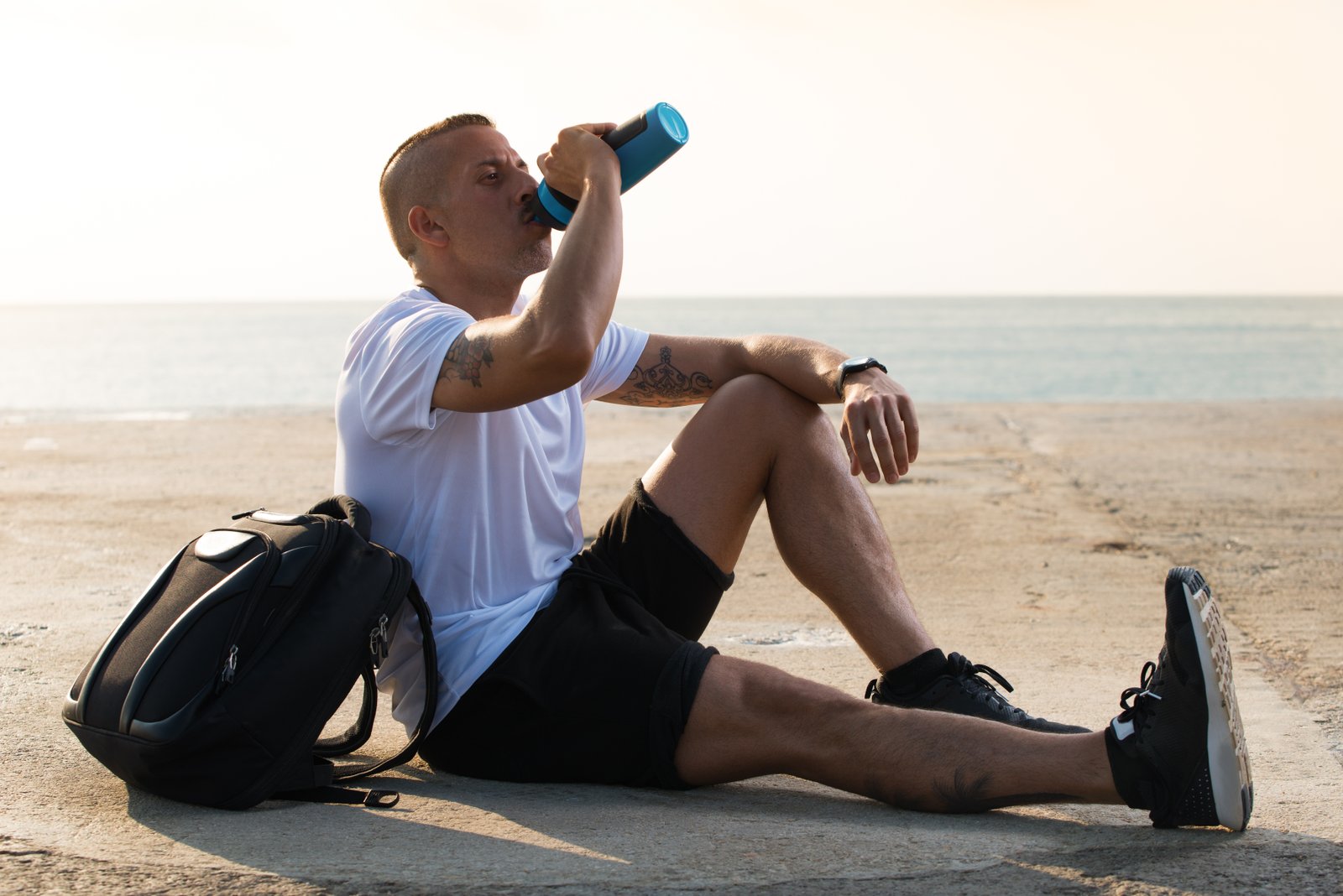


En revanche, les boissons pour sportifs sont généralement consommées en quantités contrôlées dans le cadre d’un plan d’hydratation équilibré.
4. Coconut Water
Many athletes have opted for coconut water because it has natural electrolytes such as potassium and magnesium.
Some athletes use coconut water as a natural alternative to sports drinks. It can help hydrate and can be a refreshing option after exercise.
Coconut water is not enough to replace all the nutrients lost after heavy exercise, but can be helpful for light exercise or recovery hydration.
When Should Athletes Hydrate?
When and how athletes hydrate is just as important as what they hydrate with. Elite athletes have hydration regimes to achieve their best performance.
Before Exercise
To hydrate well, athletes must start replenishing fluids several hours before a training or competition. It is essential to consume fluids before the activity to ensure full hydration.
The advantages of hydration before exercise are.
- More stamina.
- Better temperature control.
- Minimized the chance of dehydration during activity.
During Exercise
Athletes, in the course of a vigorous activity, drink fluids that replace their sweat losses.
Typically, consume small amounts of fluid every 15–20 minutes. Electrolytes or sports drinks are commonly consumed in longer competitions to maintain energy levels and hydration.
After Exercise
Rehydrating is important after exercise. Athletes should replenish fluids and electrolytes lost during exercise or competition after a workout or match.
This helps:
- Restore fluid balance
- Reduce muscle fatigue
- Support faster recovery
- Prepare the body for the next training session
For an athlete who trains or competes on a near-daily basis, recovery hydration is essential.
Can Hydration Improve Athletic Performance?
Of course, hydration can really affect performance.
Athletes can help their bodies regulate temperature, deliver oxygen to muscles, and maintain energy levels when properly hydrated.
According to research in sports science, mild dehydration can cause a decline in performance. Elite athletes receive advice from trainers, nutritionists, and sports scientists on a customized hydration regimen.
One of the simplest yet one of the most powerful ways to bolster performance is hydration.
Common Hydration Mistakes Athletes Avoid
Professional athletes make sure to dodge hydration blunders that affect their bodily performance.
There are common mistakes.
- Delaying hydration until the body signals thirst.
- Intake of excessive water without replacement of electrolytes.
- Not drinking water in winter.
- Drinking sugar drinks that offer little to no value.
By embracing structured hydration strategies, sportspersons ensure themselves a proper amount of fluids and nutrients in their bodies.
Conclusion
Athletes must stay hydrated as necessary. Top athletes don’t just drink water. They need to get everything in balance – fluids, electrolytes, and nutrients – during a tough training session or competition.
Various fluids like water, electrolyte drinks, sports drinks, or coconut water are consumed by athletes to keep energised, avoid fatigue, and speed up recovery.
Sports science is set to advance hydration plans in sport very soon. One thing is for sure, proper hydration always helps athletes perform their best.