There was a time when hosting a dinner party felt like a high-stakes performance, a stressful evening of matching china, stiff napkins, and a prayer that the souffle wouldn’t break.
But as we move through 2026, the vibe has changed.
We aren’t just “having people over” anymore; we are romanticizing the home.
In a world which feels increasingly digital and automated, the dinner table has become our “analog sanctuary.”
It is a place where we put down the phones, light the candles, and remember how to talk to each other. Whether you’re planning a fancy four-course meal or a “pizza on the floor” kind of night, the way you set your table tells your guests: “I’m glad you’re here.”
Below is how to master the art of the modern table setting and host a night your friends will be talking about for months.
Why We’re “Dining In” More Than Ever
If you feel like your social calendar is full of “supper clubs” and home-cooked potlucks, you aren’t alone.
The math actually backs you up.
According to one economic study, the cost of “food away from home” has risen by 6%, while “food at home” now say they plan to host even more at-home gatherings this year compared with 3% with the previous.
People are realising that for the price of one mediocre restaurant meal, they can host a spectacular evening for six friends with better wine, zero time limits, and a vibeful playlist.
The Great Continuing Debate of Formal vs Informal Dining Setup
Before you pull the tablecloth, you need to decide on the “energy” of the night. It is not always necessary to have a formal setup, but understanding the rules will help you break them with style.
The Formal Setup (The “All-In” Vibe)
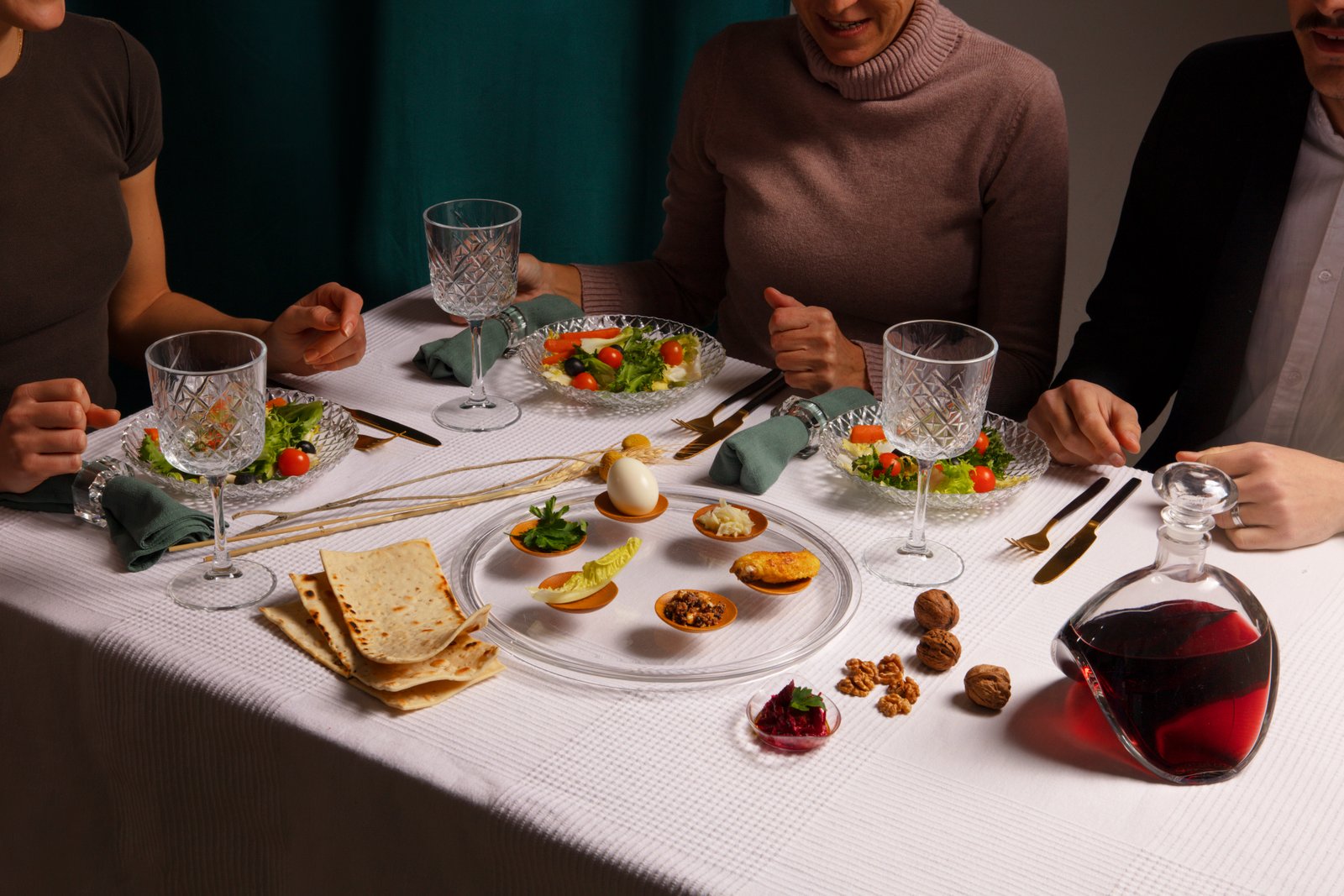
Formal isn’t “stiff”, but it is intentional. In 2026 the trend is “Micro-luxury.” Think high-quality linens and polished silver, but paired with something unexpected like a mismatched vintage glassware.
- The Charger – This is the large “base” plate which stays on the table unit – The Main Course which acts as a frame for your food.
- The Silverware – Work from the outside in. The fork furthest to the left is for your salad; the one which is close to the plat is for the main.
- The Napkin: In any formal setting, the napkin belongs right in the center of the plate or the charger, and is often folded into a simple rectangle or held by a statement ring.
The Informal Setup (The “Easy Breezy” Vibe)
This is a special one for your Friday night pasta marathons.
- The Basics – You only need one fork, one knife, and one water glass.
- The “Mason Jar” Rule – Don’t have enough matching wine glasses? Use small tumblers or even clean jars. In 2026, “perfectly imperfect” is a major design trend. It makes guests feel relaxed and less worried about spelling something on a $200 tablecloth.
What are the 2026 Design Trends To “FOLLOW”
If your dining table still looks like a minimalist, beige Pinterest board from five years ago. It is time for an upgrade.
This year, Maximalism is the KING. We are seeing a move away from “clean and quiet” towards “loud and layered”.
- Pattern Clashing – Don’t feel afraid to put a striped napkin on a floral tablecloth. If the colors are in the same family, the “clash” looks like a deliberate art choice.
- The “Bounty” Centerpiece – Instead of spending $100 on flowers that are about to die in three days, you should use the produce section. Pile up the pomegranates, artichokes, grapes and even an odd-shaped squashes down the center of the table – this looks like an Italian Renaissance painting, and bonus, you can eat the centerpieces for lunch the very next day.
- Statement Candles – Move over, plain white pillars. We are looking at a surge in “sculptural” candles, twists, braids, and neon colors. Just ensure they are unscented so they don’t fight with the smell of your delicious garlic bread.
The Table Setting Cheat Sheet To Follow
| Element | Formal Style | Informal Style | The “2026 Twist” |
| Plates | Charger + Dinner + Salad Plate | Single dinner plate | Mismatched vintage ceramics |
| Glassware | Water + Red wine + White wine | Water + All-purpose glass | Delicately tinted “watercolor” glass |
| Linens | Ironed tablecloth + cloth napkins | Table runner or bare wood | Ruffled napkins or tartan prints |
| Centerpiece | Tall floral arrangements | Small bud vases or candles | Edible fruit and veggie “piles.” |
| Seating | Handwritten name cards | Open seating | Polaroid photos of each guest |
How Table Setting & Design Can Affect Taste?
Did you know that the color of your plates can change how your guests perceive the food?
- White Plates – The “fine dining” standards. They offer a neutral background which makes the colors of your food pop.
- Warm Tones – These are known to stimulate the appetite. If you’re serving a feast, terracotta or mustard – then these plates are your best buddy!
- Cool Tone – (Blue) – Interestingly, blue is often an appetite suppressant. It creates a “calming” vibe, which is great for a long, slow-paced cocktail hour but maybe not for a big family dinner.
The Hosting Secrets – A VIBE Checklist To Have
A great dinner party is 40% food and 60% atmosphere. Below is how a high-level host will ensure your night feels memorable:
- The ‘Dim’ Rule: If you can see clearly, the light feels too bright. In this case, use lamps and candles instead of an overhead light. Everyone looks better in low lights, and it can instantly make the room feel intimate.
- The Playlist: Begin with something low-tempo and instrumental for the first hour. As the wine opens and starts flowing and the main course is on the plate you can move into the “classic” soul or indie-pop.
- Conversation Cards – To avoid the “what do you do for work?” question, place a small card under each person’s water glass with weird sorts of questions like: “What’s one useless talent that you have” or “If you had to move to a different country tomorrow, where would you go?”
- The “Plus-One” Surprise: If your group is very tight-knit, the conversation can sometimes get “stale.” Try inviting one “new” person, a coworker or a neighbor – because a NEW Blood will always bring the best stories in the group of old buddies.
The Memory is the Masterpiece
At the end of the day, no one is going to remember if the salad fork was 2 cm out of place – but they will clearly remember the laugh they had over the tiramisu, they way the room felt with the candlelight, and the fact that they felt totally at home in your space.
The “art” of table setting isn’t about following a book of etiquette from 1950. It is about intentionality. It is taking the time to create a beautiful environment because you value the people sitting in it.
So go ahead – clash those patterns, pile up those lemons, and light the candles and your Table is set for the next feast.
Frequently Asked Questions
Where does the napkin actually go?
In a basic or informal setting, it goes to the left of the forks. In a formal setting, it can go to the left, but it’s much more common (and stylish) to place it directly on top of the plate or the charger.
Do I really need a tablecloth?
Not if you have a beautiful wood or marble table! However, a tablecloth (especially a linen one) is a lifesaver for hiding scratches and catching spills. Plus, it dampens the sound of clinking glasses, which makes the room feel more expensive.
What if I don’t have enough matching chairs?
Embrace it! Mismatched chairs are a staple of the Modern Eclectic look. If it feels too messy, throw a few sheepskin rugs or colorful cushions over the chairs to tie them together visually.
How do I handle guests with dietary restrictions?
Ask in the invite! But as a host, a great trick is to serve deconstructed meals—like a taco bar or a big platter where the protein, grains, and sauces are separate. It allows everyone to build a plate that works for them.
What is the biggest hosting mistake people make?
Spending too much time in the kitchen. If you are stuck at the stove all night, your guests will feel guilty and uncomfortable. Choose a menu that allows you to do 90% of the work before the first guest rings the doorbell.