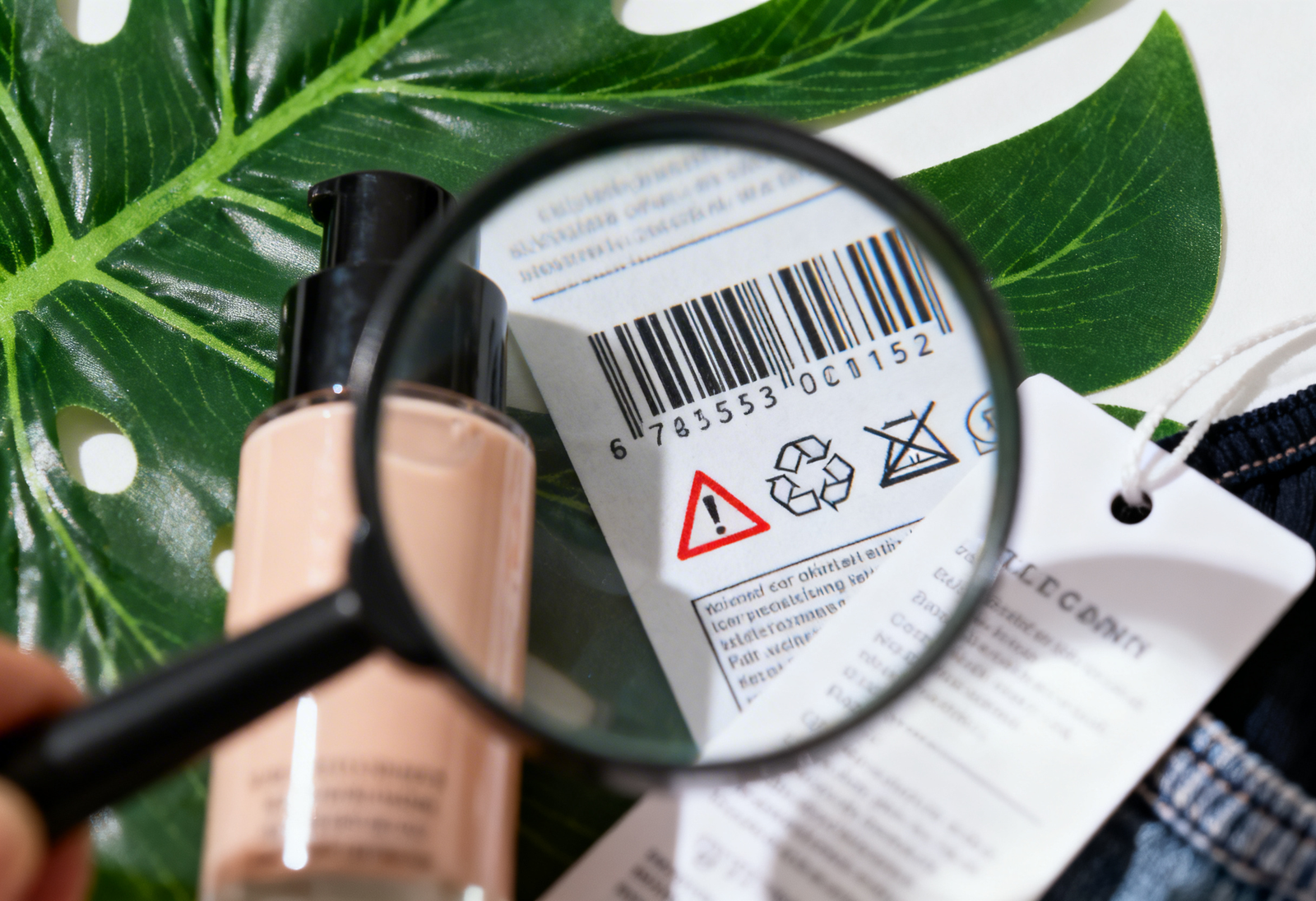
We’ve all seen the headlines stating a $5 t-shirt, a $15 pair for jeans, and “hauls” that has thirty new outfits for the price of a single dinner.
This feels like a win for the wallets, but in the world of fashion, there is nothing like “free.”
If you aren’t paying the full price for your clothes, someone else or the planet is. As a global fast fashion market conditions its rapid climb, projected to reach a staggering $178.58 billion this year, the hidden “bill” is finally coming due.
From the water-stressed plains of India to the satellite-visible landfills in Chile, the actual cost of our disposable clothing culture is a global crisis.
What’s the Environmental Debt of This: It’s Thirst and Waste
The fashion industry is currently one of the world’s most resource-hungry sectors. To put it into perspective, it may take approximately 2,700 litres of water to produce a single conventional cotton t-shirt, which is enough for one person to drink for 900 days.
When you multiply that by 100 billion garments produced globally every year, the impact on our freshwater resources is devastating.
But the problem doesn’t end here. Once those clothes are sold, their environmental journey will continue through our washing machines. A synthetic fiber like polyester can make up roughly 60% of all clothing and every time we wash them, they shed microplastics.
In fact, laundering a synthetic textile is responsible for about 35% of all microplastics found in the ocean. Creates a “plastic soup” that enters our food chain, and when the trend ends – it converts into an immense amount of waste.
The equivalent of one garbage truck’s worth of clothing is either burned or is sent to a landfill every single second. Even with the rise of recycling programs, current data shows that less than 1% of materials used to produce clothing is actually recycled into new garments.
The Human Toll: Wages and Rights
Behind every $5 tag is a worker, mainly a young woman, working in severe conditions that most of us wouldn’t tolerate for a single hour.


Despite the industry employing over 60 million people globally, a heartbreaking less than 2% of garment workers earn a living wage.
In a manufacturing hub like Bangladesh, which accounts for 7% of global textile production, the average monthly wage remains as low as $140. This is often not enough to cover basic food, housing, and healthcare of a family.
Beyond a low pay, the “ultra-fast” production cycle of 2026 puts major pressure on factories, which often leads to forced overtime and unsafe working environments where human rights are treated as an afterthought to meet a shipping deadline.
The Hidden Price Tag: A Rapid Breakdown
| Impact Category | The Numbers | The Real-World Reality |
| Carbon Emissions | 10% of global emissions | More than all international flights and shipping combined |
| Water Pollution | 20% of industrial water pollution | Caused largely by toxic textile dyeing and treatment |
| Landfill Waste | 92 million tonnes actually | A discarded clothing pile in Chile is now visible from space |
| Labor Wages | Less than 2% earn a living wage | Most workers struggle to afford three meals a day |
| Microplastics | 500,000 tonnes per year | The equivalent of 50 billion plastic bottles dumped in the sea |
The Turning Point – What are the Regulations and Responsibility
The good news is that the “Wild West” of fast fashion is finally being reined in. In 2026, we are seeing a massive shift in how the government holds brands accountable.
The European Union has led the way with Extended Producer Responsibility laws that now mandate that fashion brands pay for the collection and recycling of the waste they create.
We’re also seeing the rollout of Digital Product Passport, which will soon need every garment to be sold only after it has a scannable code which shows its entire history, from where the cotton was grown to how the worker was paid.
Brands are no longer able to hide behind the labels of “eco-friendly.” – because as per the newest Green Claims Directives, companies should provide verifiable evidence for any sustainability claim or face massive fines.
It All Ends At Quality Over Quantity
The real cost of fast fashion isn’t just a number on a spreadsheet, but it is the health of our oceans and the dignity of the people who clothe us. As we move through the fashion industry of 2026, the most radical which we can do is buy less and wear longer.
By choosing one high-quality, ethically made shirt over five “disposable” ones, we are casting a vote for a world where fashion is a force for good, and not a source of destruction.
The best “trend” you can follow this year is one that lasts for decades and not just days.
Frequently Asked Questions
Why is “Ultra-Fast Fashion” worse than regular fast fashion?
Ultra-fast fashion brands (like Shein or Temu) use AI to track trends in real-time and can produce thousands of new styles every single day. This creates an unprecedented level of overproduction and waste that traditional fast fashion can’t even match.
Can I trust “Recycled” collections at fast fashion stores?
Be careful. Often, these collections represent a tiny fraction of a brand’s total output and can be a form of “greenwashing.” Look for third-party certifications like GOTS (Global Organic Textile Standard) or Fair Trade to be sure.
What is a “Living Wage” vs. a “Minimum Wage”?
A minimum wage is the legal floor set by a government, which is often kept low to attract big brands. A living wage is what a worker actually needs to afford a basic but decent life, including nutrition, housing, and education.
How do I properly dispose of clothes that are too worn to donate?
Look for textile recycling drop-off points. In 2026, many cities have implemented separate textile waste bins. These clothes are shredded and turned into insulation, car seat stuffing, or new industrial fabrics.
Is cotton better than polyester?
It’s complicated. Cotton is biodegradable and doesn’t shed microplastics, but it requires massive amounts of water and pesticides. Organic cotton is a much better choice, as it reduces water consumption by up to 91%.