Aging skin gets sold so many lies. Walk down any beauty aisle, and everything promises to turn back time. Tighter skin in seven days. Wrinkles are gone in two weeks. Years erased overnight. People spend so much money on these claims, and the skin stays exactly the same.
Here’s the hard truth. Aging cannot be reversed. No cream does that. What can happen, though, is slowing the visible damage down considerably and keeping skin in genuinely good shape as years pass. Science actually backs this up pretty well. The anti-aging skincare routine that achieves it isn’t complicated or expensive. Most people are just looking in the wrong direction entirely.
Anti-Aging Skincare Routine
1. Use a Mild Cleanser
Skin collects everything during the day. Pollution sitting on the surface, leftover sunscreen, makeup, and excess oil. All of it needs to go before skin can repair itself overnight.
Where people go wrong is thinking stronger cleansers clean better. They don’t. They strip natural oils out along with the grime, dry the barrier out, and cause inflammation that speeds aging up rather than slowing it down. Squeaky clean after washing is actually a warning sign, not a good outcome.
Gentle and fragrance-free is what works. Look for glycerin, ceramides, hyaluronic acid, and amino acids in the formula. Twice a day is plenty.
For decades of research, it keeps pointing to the same conclusion, and honestly, it makes sense. A lot of premature skin aging comes from UV radiation exposure.
2. Never Skip Sunscreen
You get wrinkles that show up earlier than they should, pigmentation acting up, the skin losing firmness, collagen breakdown, and that uneven texture thing. And yes, most of it is basically the cumulative exposure to the sun over the years, not just one big moment.
So what does a daily sunscreen really prevent:
- Wrinkles are starting to appear sooner than they normally would
- Pigmentation is getting worse over time
- Collagen breaks down faster
- A higher skin cancer risk
Use SPF 30, at minimum, a broad spectrum every single morning. And it all matters, cloudy days, indoors near windows, etc. This is also the only skincare step that does more for long-term skin than the average 5 together.
3. Use a Quality Moisturizer
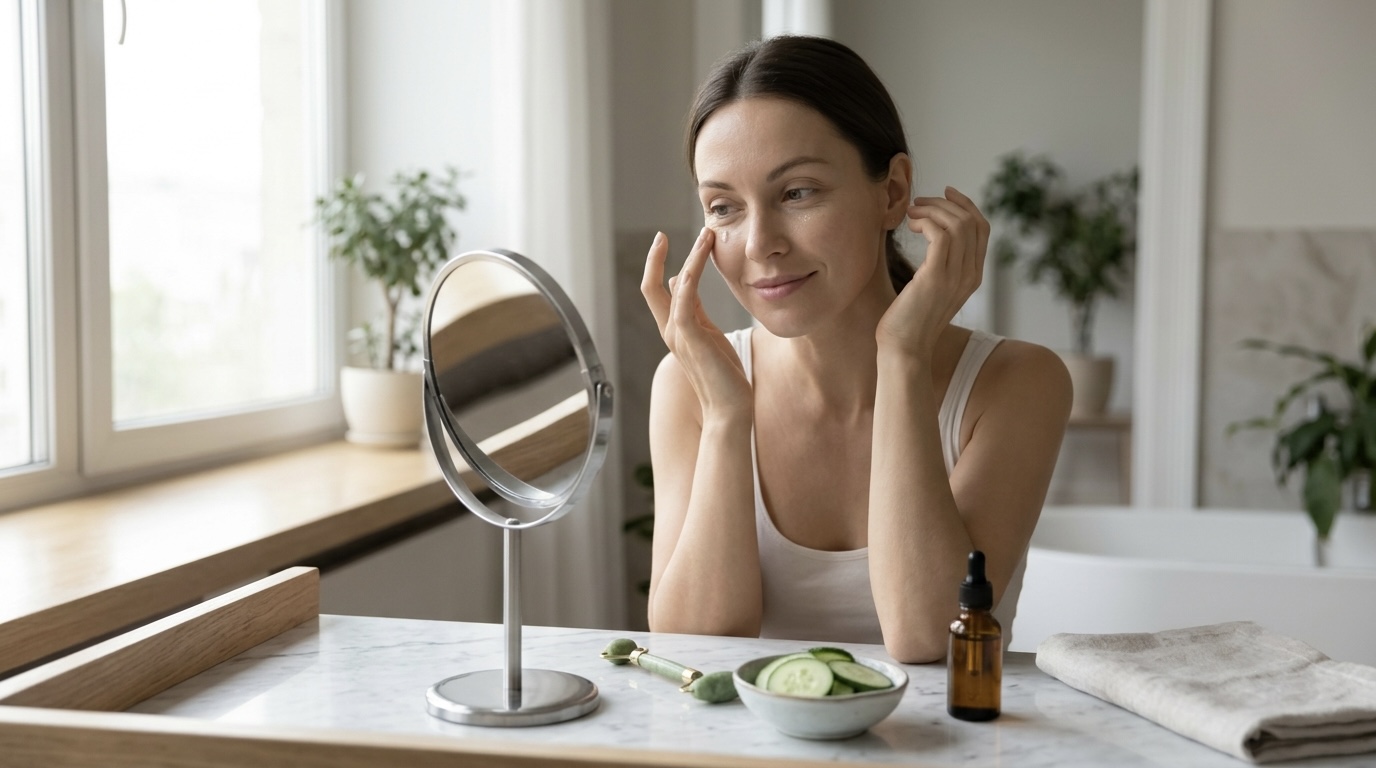
As you get older, your skin starts to let go of moisture a bit faster, like it’s not keeping on the same way as before. When hydration drops, those fine lines can start looking more “locked in,” and the overall complexion can take on a flatter, grey-ish look, not that fresh, lived-in glow anymore.
A really good moisturizer basically makes sure the barrier is still doing its job, and that hydration stays steadier over time. Also, ingredient pairings actually count, not only the marketing vibes. Ingredient picks that can help in a real, practical way include:
- Hyaluronic acid
- Ceramides
- Squalane
- Peptides
- Glycerin
When skin hydration holds better, firmness and resilience often keep up too. It’s not like some dramatic transformation you can spot in one night; it’s more like a small visible shift that builds across weeks.
4. Retinoids At Night
Of any ingredient you could use for anti-aging skincare, retinoids have built up a pretty strong reputation. These molecules can boost skin cell turnover and also collagen production, though it depends on the person.



Clinical studies about them stretch over the last three decades, and they keep showing the same general thing: fewer fine lines, fewer wrinkles, and reduced pigmentation.
Over time, what regular retinoid use does:
- Skin texture improves noticeably
- Wrinkles reduce in appearance
- Collagen production stays stronger
- Skin feels firmer overall
To begin, two or three nights throughout the week are sufficient. Skin needs time to adjust. If you go too fast, you get peeling and redness that dissuades most people before they see any benefit.
5. Peptides Help Repair Skin
Peptides are chains of amino acids that make up proteins such as collagen and elastin. They have a gentler action than retinoids, but their frequent use promotes genuine bilateral support in skin restoration and elasticity.
Not a dramatic ingredient. But one that gives you high-impact, immediate results. But in serums and moisturizers, they act as steady helpers to what the rest of the routine is doing; particularly great for drier or more mature skin.
6. Schedule in Some Sleep and Recovery Time
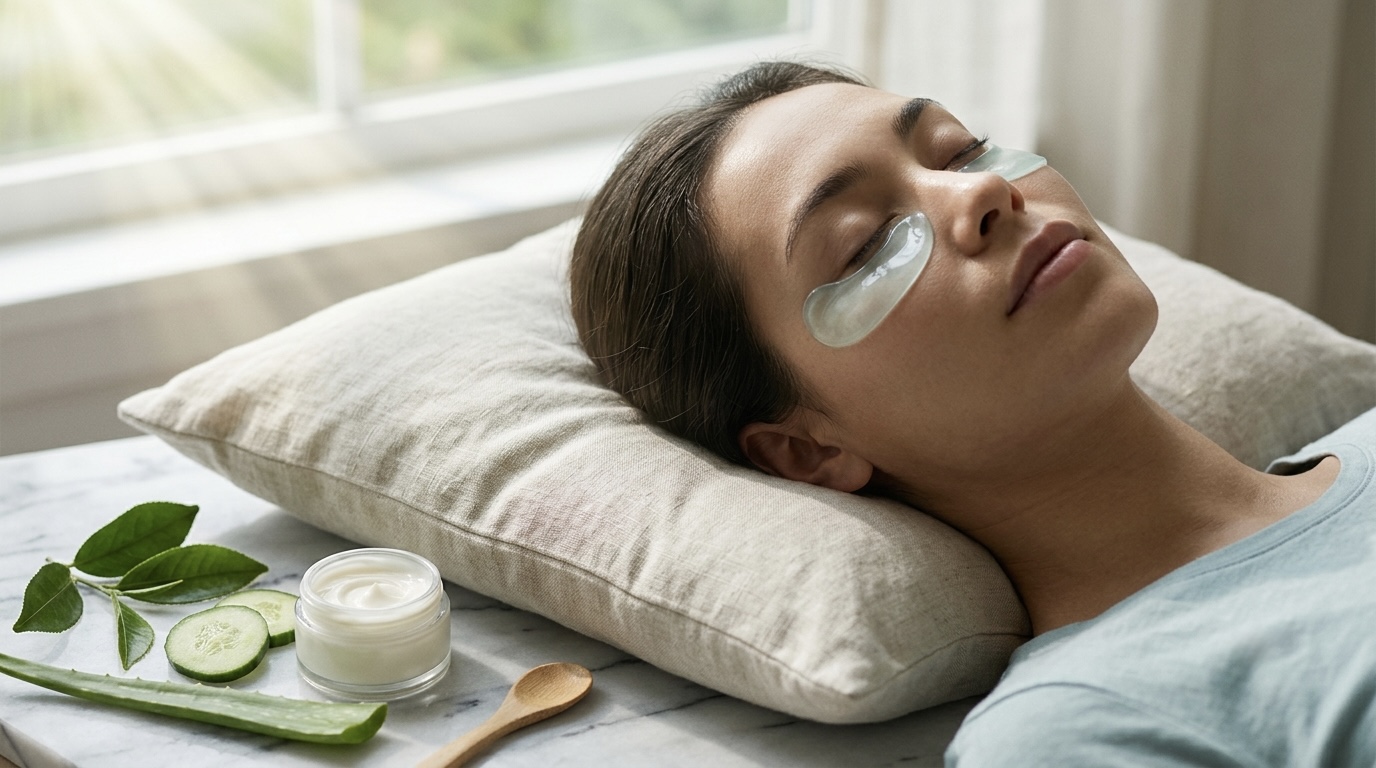
It is during sleep that skin truly heals. These are the hours when no product duplicates what your body is running: renewal and recovery processes. Sleep consistently poorly, and you will find that even the natural processes of wiping out the effects of daily damage through skin barrier function and mitochondrial repair are slowed down.
What actually helps here:
- Sleeping consistently for between seven and nine hours
- Consistency regarding sleep, which the body can rely on
- Staying hydrated through the day
- Managing stress where realistically possible
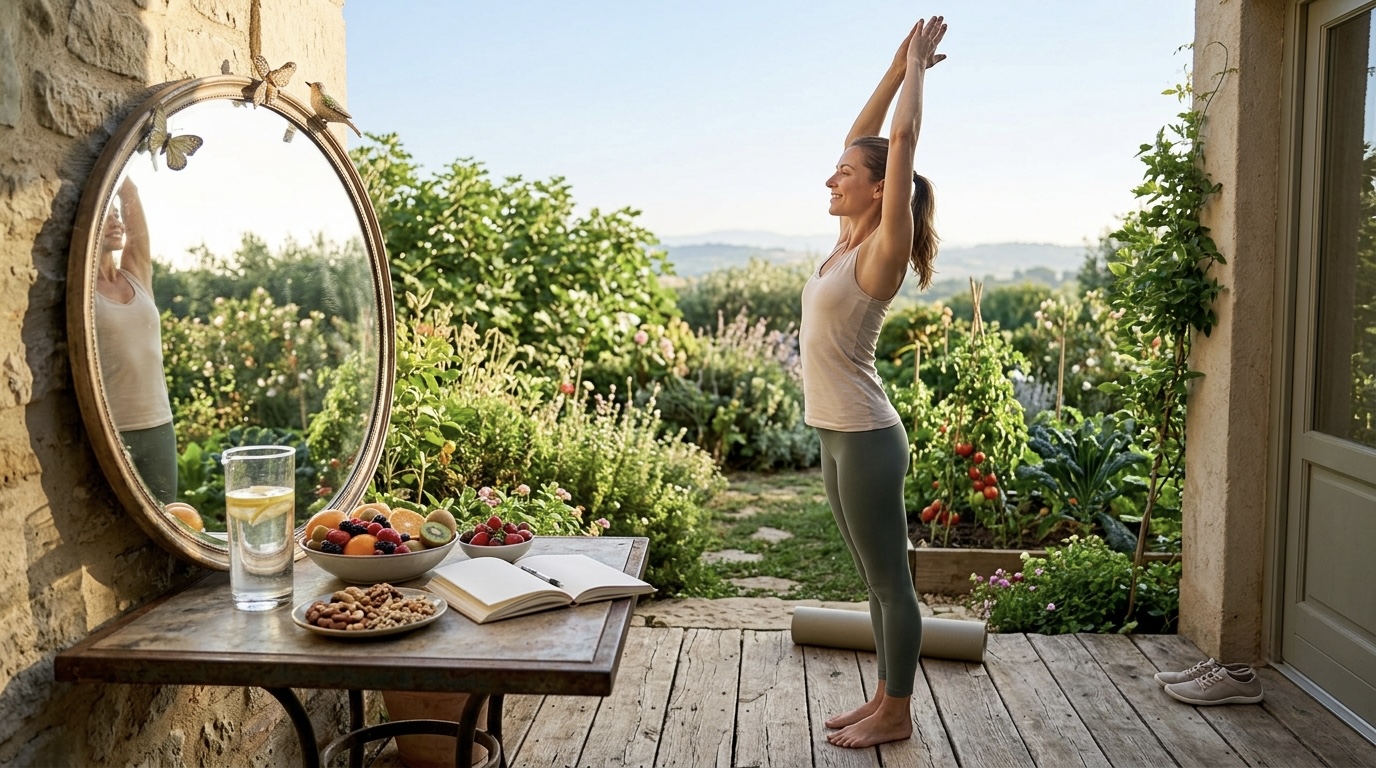
Skin reflects overall health. This portion has no routine compensated fully for.
Conclusion
Evidence-based skincare isn’t about tracking down some miracle product. It’s more like using sunscreen, hydration, retinoids, and sleep. Each of these does a specific job with solid research behind it. Put them together, and you help guard collagen, you slow down the visible signs, and you keep your skin in a better place over the long run.
It’s the daily anti-aging skincare routine, done consistently for months and years, that actually delivers results. Not one single item. Not a passing trend. Just showing up for your skin, every single day, even when it feels boring.
Frequently Asked Questions
How do the Japanese slow down aging?
Sun daily, gentle skin care practices, an antioxidant hyper-diet, green tea, and proper hydration.
What is the 60-second anti-aging ritual that erases wrinkles?
It doesn’t really exist. Daily SPF, with commitment to a proper regimen over the years, that is what truly works.
How can I look 10 years younger naturally?
Sunscreen every day, sleep, water, nutrition, and brightening ingredients for months.
Which serums can not be used together?
Usually, retinol and high doses of AHAs or BHAs. That way, you use them on different evenings instead of both at the same time.
What can I do to make myself 20 years younger?
Proper sunscreen every day, retinoids consistently, antioxidants have your morning routine up as well, and fresh from the inside out with proper hydration to go along with reasonable lifestyle habits long-term.