Anyone who watches Korean dramas knows that feeling. You’re like halfway through an episode, and then suddenly you stop really watching the story, and you’re just there staring at someone’s skin. Not a heavy foundation, not a bunch of makeup either. It’s more like this clean, almost glowy complexion that looks hydrated and healthy in a way that feels unfair, like, you know, it’s not for everyone.
That’s glass skin. And even though it looks super polished on screen, it’s not really about being “perfect” all the time.
The whole idea is actually down-to-earth. Look after your skin, keep it hydrated, stay consistent, and don’t overdo it. That’s basically the entire thing. You don’t need some 15-step routine or fancy imported stuff costing way too much. Just a sensible glass skin routine.
What Exactly Is Glass Skin?
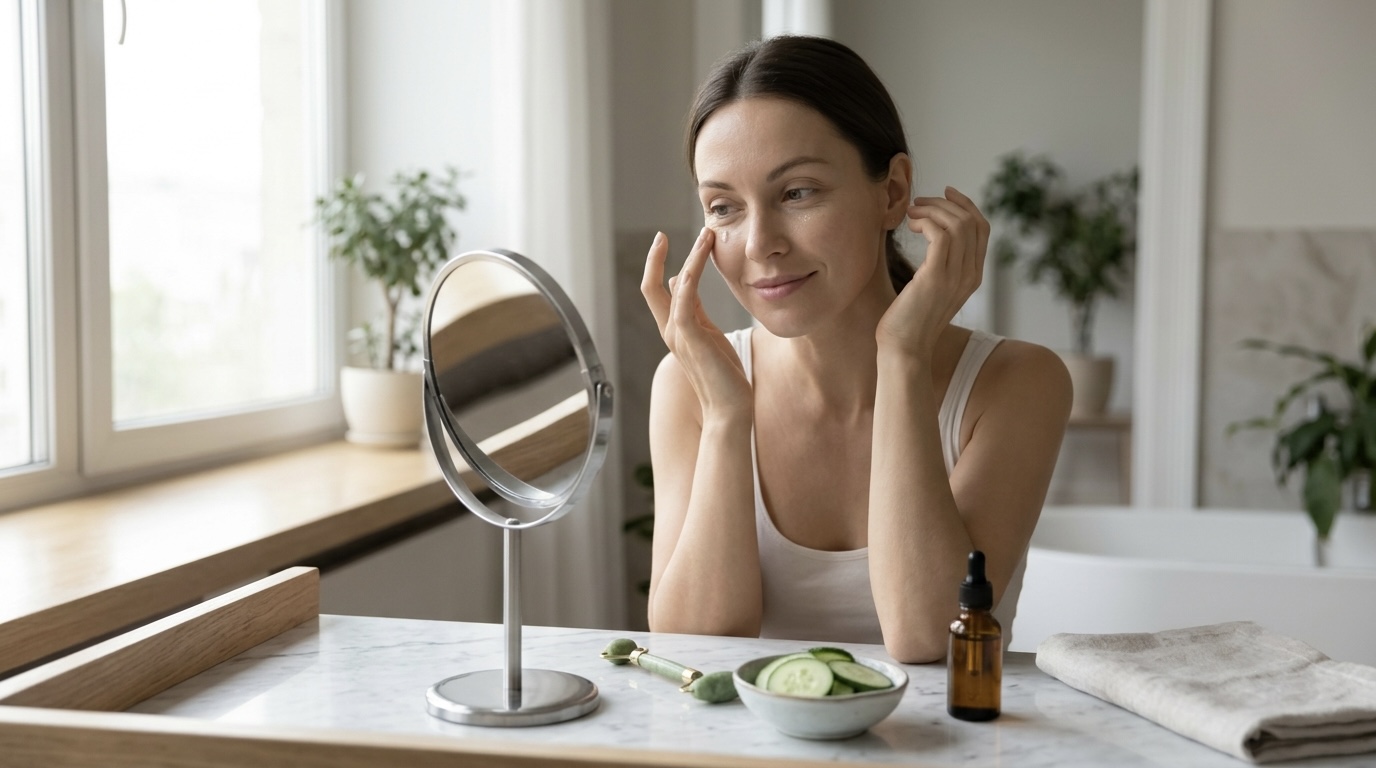
The glass skin looks moist, smooth, shining with brightness and fullness. There is no dullness, rugged canvas, or tired patches appearing. It is about so much more than concealing something with makeup; the idea is to make the skin itself reflect the light naturally. That glow is not enhanced it is deserved.
Steps to Glass Skin Routine
Start with Double Cleansing
Here’s the problem with a single cleanser: by the end of the day, your skin is carrying sunscreen, makeup, oil, pollution, and sweat. One product cleans some of it. Not all of it.
Double cleansing solves this with two rounds:
- Oil cleanser first. Massage it into dry skin, and it breaks down the stuff water-based cleansers can’t touch — sunscreen, makeup, sebum. Rinse it off, and most of the work is already done.
- Water-based cleanser second. Foam or gel, gentle scrub. It clears whatever’s left and actually refreshes the skin rather than just moving grime around.
Two minutes extra. Genuinely worth it.
Exfoliate Without Overdoing It
Dead skin cells are slowly ruining so many people’s complexions. These also sit on the skin and give the skin a dull appearance, texture changes, and some unevenness. They prevent serums from being absorbed properly, too, leading to product waste.
This is fixed by exfoliating, but moderation does actually mean something here:
- Sensitive skin: Once or twice a week
- Normal or oily skin: Two to three times is fine
K-beauty doesn’t normally go for scrubs. Instead, it leans towards chemical exfoliants such as AHAs, BHAs, and PHAs. They are milder than those products and will perform the work without aggravating your skin.
One thing worth knowing: over-exfoliating is extremely common, and it’s genuinely damaging. A broken skin barrier, redness, and sensitivity lasting for weeks.
Hydration Is the Heart of Glass Skin
This is likely the most significant difference separating K-beauty from most Western skincare routines. Rather than slapping on one heavy-duty moisturizer, the technique layers multiple products like toner, essence, serum, moisturizer, each of which absorbs before the next is applied.
Why does this work better? Every layer adds hydration and then helps the skin to retain moisture. You can use just one for a deep, luxurious treatment that no single product could ever provide; layer on enough of them, and the result is almost like deep, anteater hydration. Skin appearance is plumper, healthier, and more alive.
Those seem like many steps to get through. It’s actually about five minutes.
Don’t Skip Essences
Essences seem to be the step that gets skipped by K-beauty newbs during the glass skin routine.



Consider them a serum/toner that’s neither as light as a toner nor as heavy as a serum, but can still be fruitful. They prepare the skin and enhance absorption for everything that follows, and a good number of them include ingredients that gradually improve texture and tone with continued use. Hyaluronic acid, fermented extracts, niacinamide, centella asiatica the good stuff.
If just one new product is going into your routine, an essence is truly a solid pick.
Target Specific Skin Concerns with Serums
To get glass skin, hydration takes you most of the way there. Whatever your skin is actually battling with, serums take care of the rest.
- Dullness or uneven tone: vitamin C, niacinamide, rice extract
- Dehydration: hyaluronic acid, polyglutamic acid
- Red/Irritation: centella asiatica, green tea extract
- Texture: Slightly exfoliating acids (But use cautiously)
Choose what is relevant right now for your skin. Two targeted serums will always outrun six random ones every time.
Lock Everything In with Moisturizer
There is no point in layering all that hydration if you are just going to evaporate it off your skin an hour later. The moisturizer is the seal. Slowing down water loss and keeping the barrier firm, so all that is underneath actually remains in place.
Skin-friendly, non-comedogenic, barrier-friendly. That’s what you want. We all know oily skin also requires this step; missing it can often mean shooting ourselves in the foot, as it may trigger oil production more.
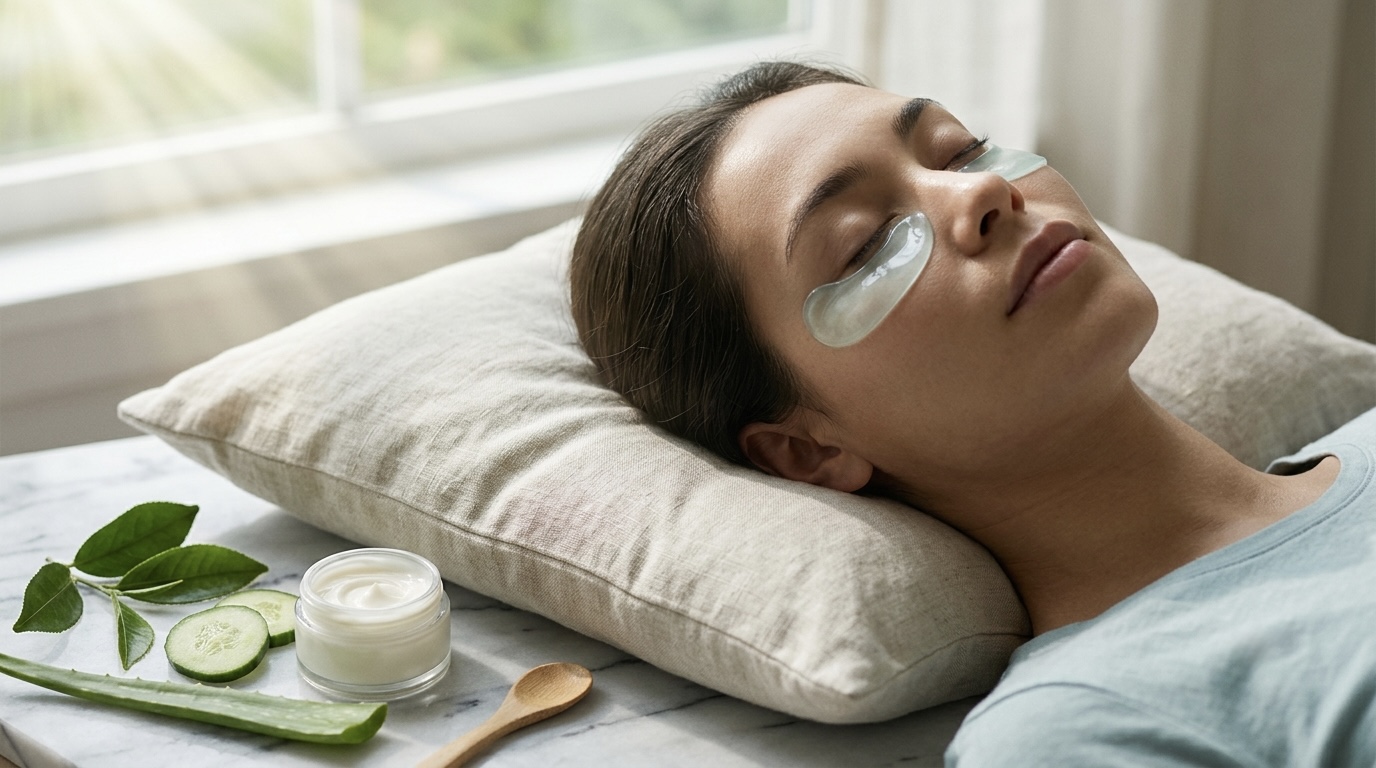
Sheet Masks for an Instant Glow
Not something you need every day. However, you just can’t beat a sheet mask for an intense boost of hydration, and they take something that your skin might not be getting enough of regularly; once or twice per week should do the trick. It shows immediate results as skin appears plumper and more awake. They are great for a big day when you walk out, for the mornings, though your face looks just fatigued, as well as needing to get a quick reset.
Sunscreen Is Non-Negotiable
Every bit of progress your routine makes gets slowly undone without this step. Sun exposure drives pigmentation, early ageing, uneven tone, dehydration all the things glass skin is working against.
Broad-spectrum SPF every morning without fail. Reapply if you’re outside for any real stretch of time.
Lifestyle Habits That Support Glass Skin
Nothing in a glass skin routine works alone. It simply means that what you eat, how well you sleep, and your stress levels eventually reflect in the skin. The basics:
- Stay hydrated all day
- Sleep properly, not just occasionally
- Control the stress where you realistically can
- Eat varied, decent food
- Tobacco cut out, drink less
None of this is groundbreaking. It’s literally just the stuff below your skin, where no serum can go.
Patience Creates Results
Glass skin takes time. Early changes are not seen for four to eight weeks. Genuine texture and tone upgrades, longer, occasionally a month or two. And these tips actually may work, because that is a feature of how skin functions, not a bad habit in our routine.
The opposite of that is being aggressive, impatient, or jumping between products a lot. All day, every day, a steady, basic habit trumps an excessive one done irregularly. Most changes are gradual, and then one day, they aren’t; you just realize all of a sudden that your skin looks really different. Clearer, calmer, more hydrated. The reward for getting out of bed every day, when nothing seemed to be happening.
Frequently Asked Questions
How to get glass skin according to K-Beauty experts?
Wear double cleanse daily, hydrate (toner → essence → serum → moisturizer), exfoliate 2–3 times one per week, and never skip SPF. Focus more on the consistency than on the products that cost a lot of money.
What is the 4–2–4 method of skincare?
It’s a way of cleansing – 4 mins massaging the oil cleanser > 2 mins foam cleanse > rinse with lukewarm water for 4 minutes. Cleanses deep in the pores but is mild enough that it will not dry out the skin.
How to get K-glass skin?
Removing impurities, hydrating exfoliation/toners/essences, serums for targeted care, moisturizers or oils, and last but not least SPF – Every single day in the morning! Do this daily without skipping.
How do I get glass skin like K-pop idols?
A lot of hydration layering, use of SPF religiously, and exfoliation with some exfoliator would do the trick. All idols make sure to also sleep, eat, and drink a lot of water — without those things, the routine alone won’t do it.
Is Korean glass skin possible for Indians?
Absolutely. Our skin type and tone do not prevent us from having glass skin — all it takes is good hydration and barrier health, both of which work the same for everyone. In India, one might pay extra attention to SPF and brightening ingredients like niacinamide or vitamin C due to the sun-related pigmentation caused by higher UV climates.