Soft, bouncy layers are having a real moment right now, and the butterfly haircut is basically leading that charge. It’s got this light, airy quality to it, the kind of cut that makes hair look shorter around the face while keeping all the actual length intact underneath. Voluminous without trying too hard, and genuinely flattering across a lot of different hair types.
If movement is the goal but cutting off length isn’t, this haircut is worth a real look before the next salon appointment. Get ready to understand what a butterfly haircut guide is.
What Is a Butterfly Haircut?
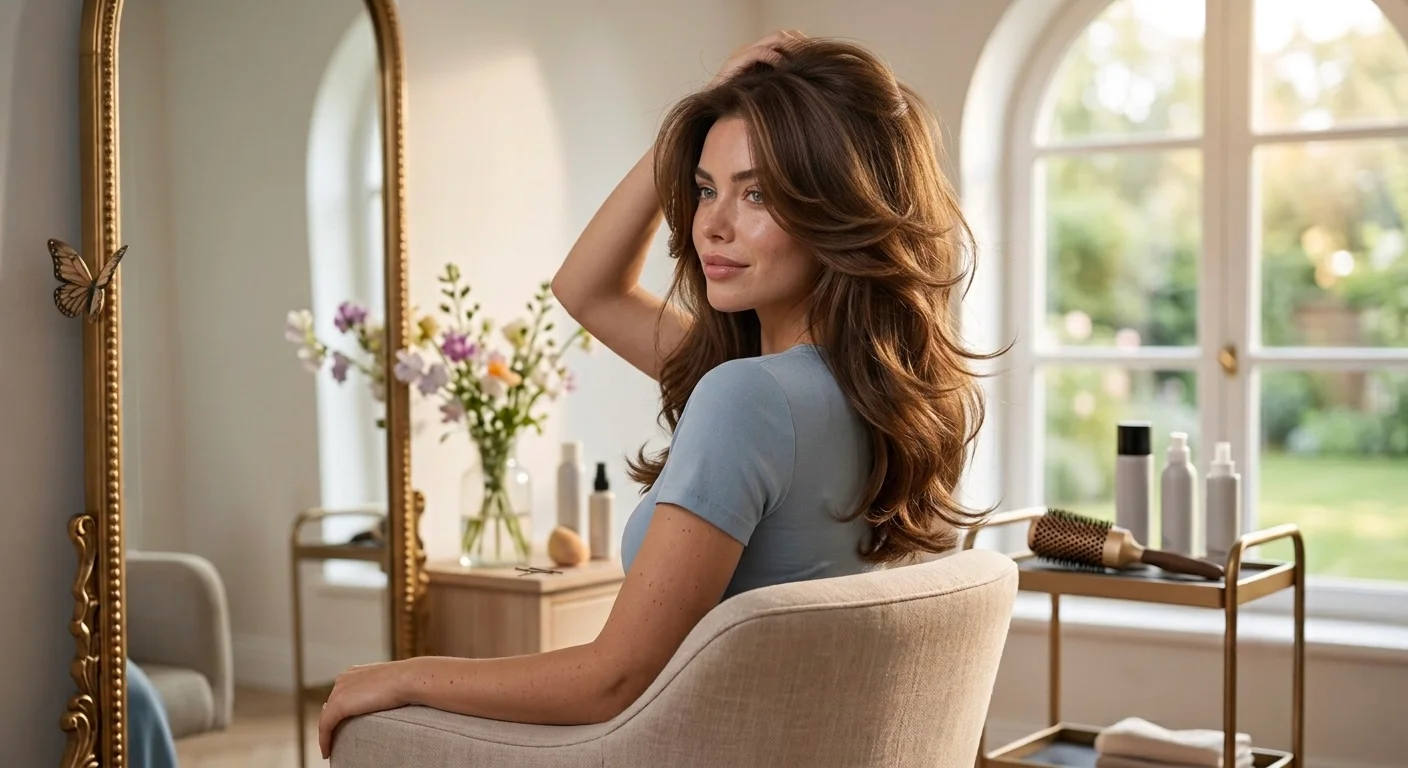
It is a multi-layered cut that combines shorter pieces framing the face with longer layers under those pieces. Short layers give life to the crown, while long layers hold onto length so nobody has to part with any inches they want to keep.
The layers spread a little like wings, aggregating structure to hair that enhances the delicate climate every individual desires. A normal layered haircut doesn’t quite achieve that. The butterfly cut adds more dimension and bounce to the mix, without creating the appearance of light hair.
Why Is the Butterfly Haircut So Popular?
The versatility is likely the most appealing aspect here. It’s refreshing yet doesn’t push anyone into a hair chop they might immediately regret in a matter of days.
Some of the real upsides:
- Natural volume and movement that doesn’t need much effort
- Length stays mostly intact
- Frames the face nicely
- Styling gets noticeably easier
- Works across straight, wavy, and curly hair
It grows out pretty gracefully, which, compared to many trendy cuts, makes this a low-maintenance selection between salon visits.
Who Does the Butterfly Haircut Suit?
This cut works well across a lot of face shapes and hair textures, though it shines especially on medium to long hair since there’s enough length for that signature flowing effect to actually show up.
Good fit for:
- Thick hair that needs lighter movement
- Medium-density hair that could use extra volume
- Naturally wavy hair
- Long hair that’s started feeling heavy or flat
Very fine hair is the one exception worth flagging. A stylist will probably suggest fewer layers there to avoid thinning things out further than they already are.
Butterfly Haircut Guide
Honestly, one of the best parts of this cut is how little effort it takes to style well. Even a basic blow-dry brings the layers to life on its own.
Blow Dry for Maximum Volume
A round brush, while blow-drying, lifts the roots and curls those front layers slightly away from the face. That’s where the feathered finish people love about this cut actually comes from.
Use a Large Curling Iron
Loose curls push the layered effect even further and add real movement. Alternating curl direction keeps things looking natural rather than too uniform or done.
Add Lightweight Styling Products
Texture without weight is the goal here. Worth keeping on hand:
- Volumizing mousse
- Heat protectant spray
- Lightweight texturizing spray
- Shine serum for the ends

Heavy creams work against the whole point of this cut. They flatten layers that are supposed to stay light and bouncy.
How to Maintain a Butterfly Haircut
Low maintenance doesn’t mean zero maintenance. Regular trims keep the shape looking sharp rather than growing out into something shapeless.
A few habits worth keeping up:
- Trim the layers every 8 to 10 weeks
- Moisturizing conditioner to keep the ends from drying out
- Use a heat protectant before any styling session
- Deep condition once a week
Stick with these, and the layers stay looking fresh a lot longer between salon visits.
Butterfly Haircut vs. Traditional Layer Cut
They are confused by these two all the time. However, they are not actually the same. In a regular type of layer cut, layers are distributed evenly throughout the hair. While the original butterfly cut incorporates shorter pieces around the face, paired with longer pieces underneath, this one is slightly different. It builds more volume in the crown by leaving length on top and provides a softer, fuller finish.
Those who prefer more movement without sacrificing length generally go with the butterfly cut.
Tips Before Getting the Cut
Something to consider before actually getting seated in a chair each day, ahead of styling hair type. Images become reference points for a stylist to know just how much layering can reasonably work with a vision they have in mind.
Things you definitely want to mention ahead of time:
- Length of stay required
- Soft and patchy layers or some wild drama
- Usual styling routine
- Natural hair texture
That conversation means the cut actually works for real life, not just how it looks on tape in my chair that day.
Final Thoughts
The butterfly haircut is essentially an updated, intentional twist on the nostalgic concept of layering. But you get the volume, the movement, the structure while keeping hold of that length most people refuse to part with. The layers leave a soft and sophisticated style that works for many different styles of straight, wavy, or curled hair.
This cut holds on to its fullness and low-maintenance look for a long while, especially with regular trims and easy styling. Hope after reading the butterfly haircut guide, you’ve got a clear picture of what type of sterling you need in the future.
Frequently Asked Questions
How to style a butterfly haircut with layers?
Blow-dry with a round brush to lift roots, curl the face-framing layers outward, and finish with a lightweight texturizing spray for movement.
What is the 3:2:1 rule for haircuts?
Rule of a length and layering ratio for shaping proportions. The hair type and the cut you want vary among stylists.
Which is better, a butterfly cut or a layer cut?
It comes down to preference. A butterfly gives more volume and creates a border in your face, while normal layer cuts are very clean and retro.
What face shape is best for a butterfly haircut?
You can wear it with all face shapes we found, but most flatteringly so on oval, heart, and round types.
Who should not get a butterfly cut?
Extremely short hair or very fine thin hairs may not offer the total layered finish. A stylist can typically just adapt the method to make it still work.