Fashion has a fascinating habit of repeating itself. Just when you think a certain style is gone for good, relegated to old family photos and vintage films, it reappears on runways and in street-style blogs, looking fresher than ever. This cyclical nature is what makes fashion so dynamic and exciting. It’s a constant conversation between the past and the present, where old ideas are rediscovered, reinterpreted, and reborn.
This guide explores the evolution of fashion by examining the iconic trends that keep coming back. We’ll journey through different decades to uncover why styles like flared jeans, crop tops, and bold prints have such enduring appeal. By understanding how designers and brands reinvent these classics for contemporary audiences, you’ll see that vintage-inspired fashion is more than just nostalgia—it’s a celebration of timeless design.
The 20-Year Rule and the Power of Nostalgia
Ever notice how trends from the early 2000s are suddenly everywhere? There’s a reason for that. Fashion experts often refer to the “20-year rule,” a theory suggesting that trends tend to resurface every two decades. By this point, a new generation is old enough to discover these styles for the first time, seeing them as novel and exciting rather than dated.
Simultaneously, those who grew up with the original trend are now at an age where they feel a sense of nostalgia for their youth. This combination of new discovery and fond remembrance creates the perfect environment for a trend to be reborn. Designers tap into this collective sentiment, modernizing old silhouettes and patterns for a new audience. It’s a cycle of inspiration that keeps the wheels of fashion turning.
Iconic Trends That Made a Comeback
From the free-spirited 70s to the minimalist 90s, every decade has contributed timeless styles that continue to influence how we dress today. Let’s look at some of the most notable trends that have proven their staying power.
Flared and Wide-Leg Jeans: The 70s Groove
The 1970s were defined by a sense of freedom and rebellion, and nothing captured that spirit quite like flared jeans. Hugging the hips and thighs before dramatically flaring out from the knee, this silhouette was a staple for everyone from rock stars to everyday fashion lovers. The style symbolized a break from the more rigid, straight-legged looks of previous decades.
The Modern Reinterpretation:
Today, flared and wide-leg jeans have made a huge comeback, but with a contemporary twist. While vintage-inspired, high-waisted flares are popular, designers have also introduced more refined versions. Modern wide-leg jeans often feature a higher waist, a more subtle flare, and are crafted from premium denim in a variety of washes. They are styled not just with platform shoes and bohemian blouses, but also with sharp blazers, simple t-shirts, and sleek bodysuits, making them a versatile staple for the modern wardrobe.
Crop Tops: From the 80s and 90s with Attitude



The crop top has a long and varied history, but it truly hit its stride in the 1980s, fueled by the aerobics craze and pop icons like Madonna. The trend continued into the 1990s, where it became synonymous with grunge, rave culture, and pop stars like Britney Spears and the Spice Girls. Whether it was a baggy, cut-off t-shirt or a slinky, spaghetti-strap top, the crop top was a symbol of youthful confidence and rebellion.
The Modern Reinterpretation:
The crop top of today is more sophisticated and versatile than its predecessors. It is no longer just for teenagers. Designers have reimagined it in various forms, from elegant knitted crop tops and structured bustiers to casual boxy tees. The key difference in modern styling is the pairing with high-waisted bottoms. By pairing a crop top with high-waisted jeans, skirts, or trousers, only a sliver of skin is revealed at the narrowest part of the torso, creating a look that is flattering and chic rather than overtly revealing.
Bold Prints and Psychedelic Patterns: The 60s and 70s Vibe
The 1960s and 70s were decades of major social and cultural change, and fashion reflected this with an explosion of color and pattern. From the geometric mod prints of the 60s to the psychedelic swirls, paisley, and bold florals of the 70s, clothing became a form of self-expression. These eye-catching patterns were a departure from the more subdued styles of the 50s and represented a new era of optimism and artistic freedom.
The Modern Reinterpretation:
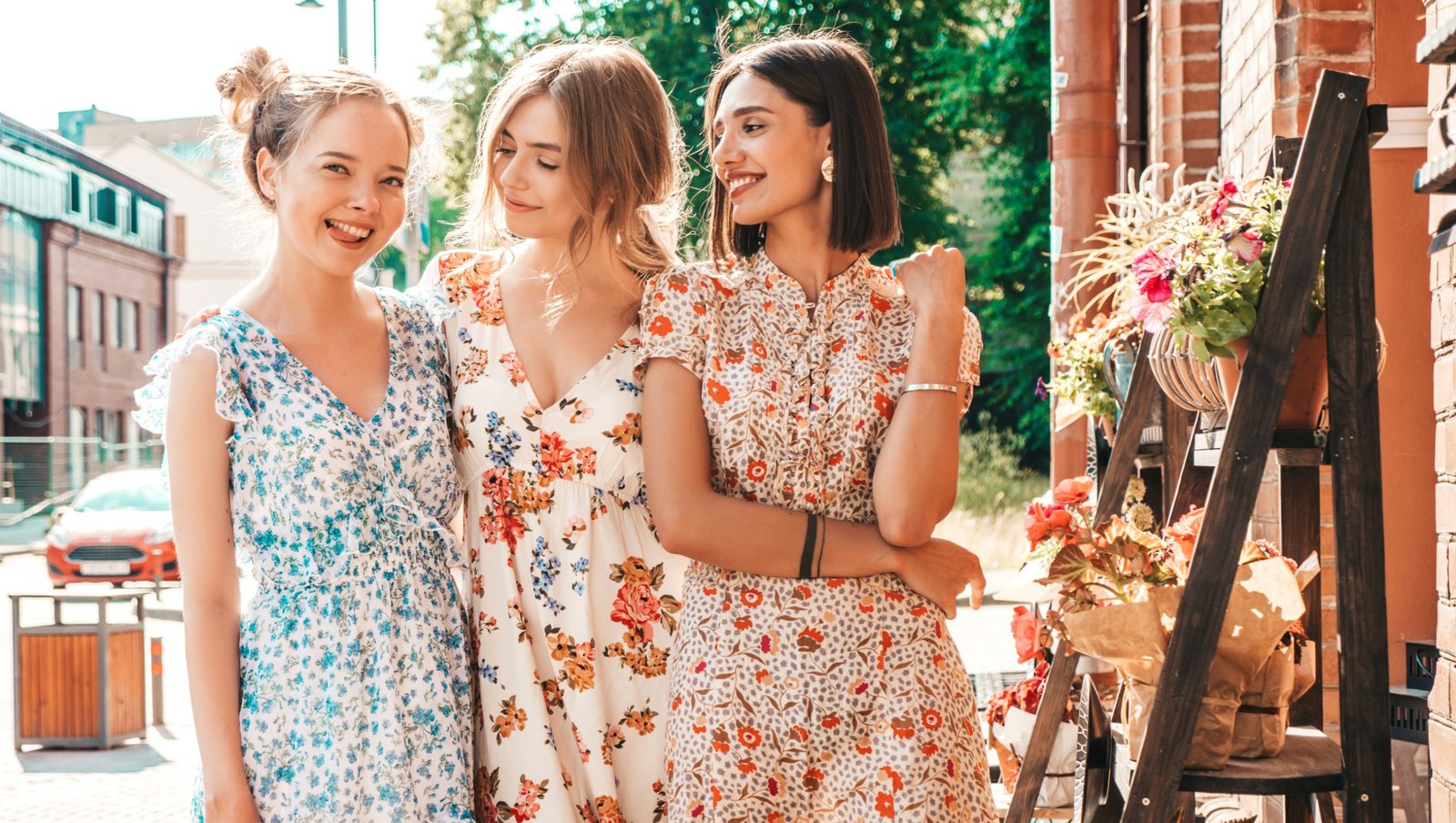
Bold prints have returned to the forefront of fashion, but with a more curated approach. Designers are drawing inspiration from vintage archives, reissuing classic patterns from Pucci or infusing 70s-inspired floral motifs into modern silhouettes. Today, you might see a statement printed dress styled with minimalist accessories, or a boldly patterned shirt paired with simple, solid-colored trousers. This allows the print to be the focal point without overwhelming the entire look.
The Slip Dress: 90s Minimalism at Its Finest
The 1990s were largely a reaction to the extravagance of the 80s, giving rise to a new wave of minimalism. The slip dress, with its simple, slinky silhouette and spaghetti straps, became an iconic piece of the decade. Often made from satin or silk, it was worn by supermodels like Kate Moss and actresses like Gwyneth Paltrow, who styled it with an air of effortless cool. It was versatile—simple enough for a casual day out, yet elegant enough for a red carpet.
The Modern Reinterpretation:
The slip dress has seamlessly integrated into modern fashion. While it can still be worn on its own for a formal event, its true modern power lies in its layering potential. Today, it’s common to see a slip dress layered over a white t-shirt or a fine-knit turtleneck for a more casual, daytime look. It can also be worn under a chunky knit sweater or a blazer, allowing its delicate fabric to peek out. This versatility has transformed it from a simple evening dress into a year-round wardrobe staple.
Mom Jeans: The Unlikely Hero of the 80s and 90s
Once considered the epitome of “unfashionable,” mom jeans—with their high waist, relaxed fit, and tapered leg—were a practical staple for women in the late 80s and early 90s. The style fell out of favor with the rise of low-rise jeans in the 2000s, but its comfortable and flattering silhouette was destined for a comeback.
The Modern Reinterpretation:
The return of the mom jean is one of the most significant trends of the last decade. It signaled a shift away from skin-tight skinny jeans toward more comfortable, relaxed-fit denim. Modern mom jeans are often updated with distressed details, interesting washes, and a slightly more tailored fit. They are now a fashion-forward choice, styled with everything from crop tops and sneakers to blouses and heels, proving that comfort and style can coexist beautifully.
Why Do These Trends Endure?
Certain trends have a timeless quality that allows them to be reinvented again and again. There are several reasons for their enduring appeal:
- Classic Silhouettes: Trends like flared jeans and slip dresses are based on classic, flattering silhouettes that can be easily adapted to current tastes.
- Cultural Significance: Many of these styles are tied to powerful cultural moments—the freedom of the 70s, the minimalism of the 90s—that continue to inspire us.
- Versatility: The most enduring trends are often highly versatile. A slip dress can be dressed up or down, and mom jeans can be styled for almost any casual occasion.
- Emotional Connection: Fashion is emotional. Wearing a style that reminds us of a beloved era or a cherished memory creates a powerful connection that transcends time.
Conclusion: Embrace the Cycle
The evolution of fashion is a beautiful reminder that great design is timeless. The trends that keep coming back are more than just recycled ideas; they are classic stories being retold for a new generation. By embracing vintage-inspired fashion, you are participating in this ongoing conversation, connecting with the style of the past while making it entirely your own.
So, the next time you see a trend from your youth making a comeback, don’t dismiss it as a fleeting fad. Instead, look at how it’s being reinterpreted. You might just find a new way to fall in love with an old favorite, proving once and for all that in fashion, what goes around truly does come around.