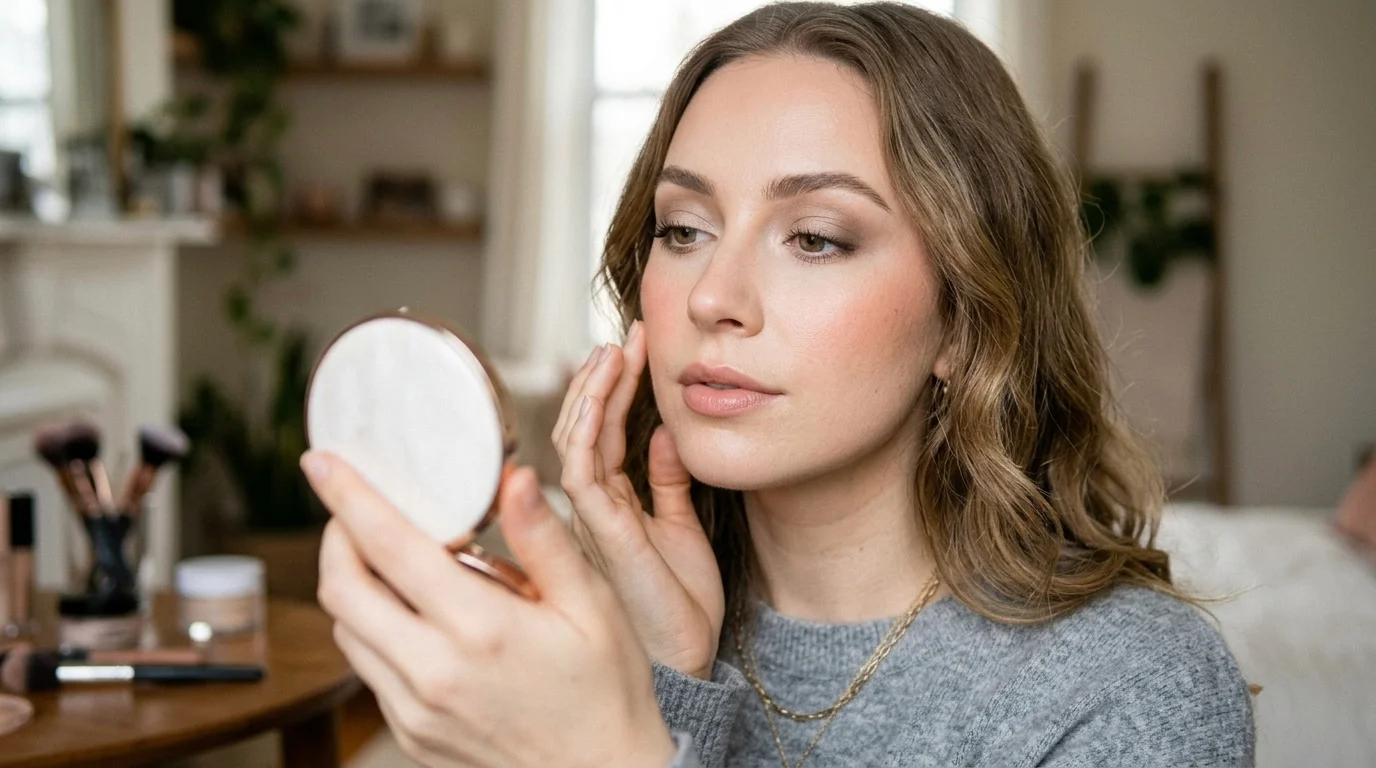
For years, K-beauty has been quietly ruling the whole skincare world. It started with sheet masks and that intense 10-step routine, which then somehow got into a different lane. It’s 2026 now; it’s not really about piling products on top of each other, or at least not in the same way. Better to first get to know your skin a little more, have the right products laid out—then actually stay with them for a bit, instead of doing the full swap every week.
Honestly, people are a bit smarter about it all now. More long-term skin wellness, less trend chasing. Korean brands have adapted more polished formulations, a well-researched approach, carefully curated ingredients, and a wider view of what skin even means in everyday life.
Here are the Korean skin trends popular these days.
Korean Skincare Trends Redefining Healthy Skin
1. Skin Barrier Repair Takes Center Stage
This trend has been building up for years, and by 2026, it’s just about everywhere. It helps keep moisture in and, at the same time, acts like a quiet shield for skin against pollution, irritation, and all that environmental harm. Everything goes sideways when it breaks. We’re talking dryness, redness, all of a sudden random breakouts, and sensitivity that’s here to stay.
Korean brands are refining protocols around the components that truly resolve this. Ceramides, panthenol, Centella asiatica, squalane, beta-glucan fatty acid. The thinking has also changed. Instead of tackling every skin concern in a super aggressive way, the philosophy these days is to reinforce the skin first. First things first, get the foundation sorted, then everything else will fall into place.
2. Skinimalism Replaces Complex Routines
Ten steps are out. Not because they all got lazy, but because they recognized it was unnecessary. Well, minimalism took over, and it is here to stay in 2026.
The idea is simple. A smaller, more carefully chosen selection of items that can be used regularly. More brands started to become a bit more versatile and include multi-use products:
- Moisturizers that hydrate while repairing the barrier
- Serums that do both hydration and brightening
- Sunscreens that work like real skincare
- Toners are now working as treatment essences
Read those tags carefully; layering less means fewer chances of irritation. Turns out a lot of people were using too many actives at once, and they dead-ass didn’t even know they were literally causing skin issues for themselves. Skinimalism solved that without anyone even noticing.
3. Personalized Skincare Powered by Technology
Korean brands are finally getting serious about AI, and it shows. Apps for skin analysis and smart diagnostic devices that really assess the condition of your skin instead of asking you to select a type from a dropdown list.
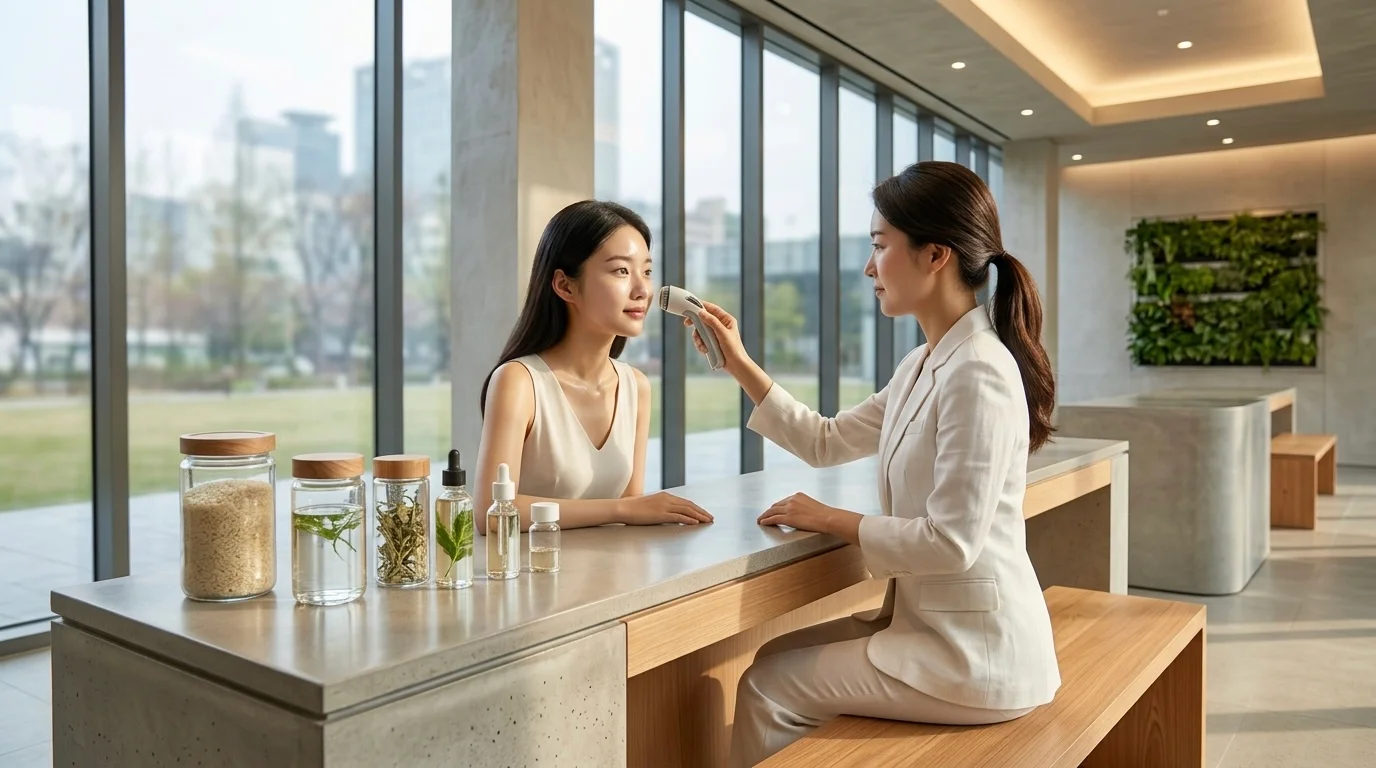



This accounts for hydration, sensitivity, oil production, pigmentation, and fine lines. From that, you get recommendations customized to your skin at the time. Skin naturally alters during different seasons, under the influence of hormones, and in response to changes from your nervous system during a period of stress. That is another of the reasons why a fixed routine usually becomes ineffective. The whole point of personalized tech is that it adapts.
4. Glass Skin Evolves into Healthy Skin
Glass skin is still a reference point, but what people actually mean has changed. The obsession with having pore-less perfection has cooled down. What most people are after now is really healthy skin. Always hydrated, at least in texture, even in tone, smooth and naturally luminous without being overdone.
It’s a more honest goal. Korean brands are driving that conversation and pushing the standard away from filtered and more toward real.
5. Sunscreen Becomes a Complete Skincare Product
Korean sunscreen was already ahead. It actually sits in a category of its own in 2026.
These are no longer just SPF products. And that’s why most modern Korean sunscreens contain moisturizing ingredients, antioxidants, brightening agents, and barrier protection all in one product. No one is looking at sunscreen as the dry, boring step of last contact. Now, it’s probably known as one of the most effective products in the routine, and honestly, it should be.
6. Gentle Active Ingredients Are Preferred
Even the obsession with high-strength actives has cooled significantly. And we all learned very quickly that trying to achieve results overnight ended up with people burning their skin barriers and regretting it.
Balance is the name of the game for 2026 Korean skincare actives that deliver without derailing the whole formula. Niacinamide, azelaic acid, retinal, peptides, tranexamic acid, and hyaluronic acid. These have garnered the most attention now due to delivering continuous improvement while avoiding the damage-recovery cycles of the skin.
Where K-Beauty Is Heading
The basic principles of Korean skincare have not changed. The prevention, consistency, and long-term skin health over quick fixes. Where it did change is actually a lot of sophisticated range around that foundation. Microbiome science, personalized technology, barrier-first formulation mindset, smarter actives.
But the overall direction is clear. Stop chasing perfection. Support your skin’s natural functions. Build habits that actually last. That’s what Korean skin trends really are about now, and that’s a much bigger goal than anything a trend could give you.
Frequently Asked Questions
What is the Korean skincare trend in 2026?
Barrier health, and this whole minimalism vibe. Like, simple structures, better components, long-term over quick fixes.
What is the secret behind Korean skincare?
Consistency and prevention. In other words, tend to your skin daily rather than leave it until the last minute when you have problems, and optimism against bleakness comes in.
What are the 4 steps of skincare?
Cleansers, toner or essence, serum or treatment, moisturizer. Sunscreen is always the last step every morning, without fail.
What is the 1% rule in skincare?
Add a new product at a time. Start watching your skin behaviour, then add another change. It prevents you from piling too much on your skin, and it also clarifies what is actually doing the work.
Which two serums should NOT be used together?
Retinol + Super AHA/BHA. Retinol with benzoyl peroxide. Do not layer multiple high-strength exfoliating acids. Be patient with routines and do not combine too many heavy-duty, physically demanding activities.