As parents, we want to prepare our children for the future in every way possible. We teach them to be kind, responsible, and curious. But one of the most important lessons we can impart is how to care for the planet they will inherit. Raising a generation that understands and values environmental stewardship is crucial, and it starts right at home, in our daily conversations and actions.
Teaching kids about sustainability doesn’t have to be a daunting lecture about climate change. It’s about instilling a sense of wonder for the natural world and empowering them with small, tangible actions that make a big difference. This guide will provide age-appropriate ideas and fun, eco-friendly activities for children to help you make sustainable living for families a natural and joyful part of your life.
Why Teaching Kids Sustainability Matters
Instilling eco-friendly habits early on helps children develop a lifelong respect for the environment. It moves beyond abstract concepts and connects them directly to the world around them. When kids understand that their choices—like turning off a light or recycling a bottle—have a real impact, they feel empowered.
This early education fosters a generation of mindful consumers and compassionate leaders. It helps develop critical thinking skills as they learn about cause and effect, problem-solving, and their role within a larger ecosystem. Most importantly, it cultivates a sense of hope and agency, showing them that they can be part of the solution.
Making It Age-Appropriate: From Toddlers to Teens
The key to teaching kids sustainability is to tailor the message to their level of understanding.
For Toddlers and Preschoolers (Ages 2-5)
At this age, learning is sensory and concrete. Focus on simple concepts and building a love for nature.
- Introduce “The 3 R’s” Simply:
- Reduce: “Let’s turn off the water while we brush our teeth to save it for the fishies.”
- Reuse: “This yogurt cup can be a great paintbrush holder!”
- Recycle: Set up clearly labeled bins and make a game out of sorting plastics and paper.
- Connect with Nature: Spend time outdoors. Talk about the trees, the animals, and the weather. Let them feel the dirt, splash in puddles, and watch bugs. This builds a foundational love and respect for the natural world.
For Elementary Schoolers (Ages 6-9)
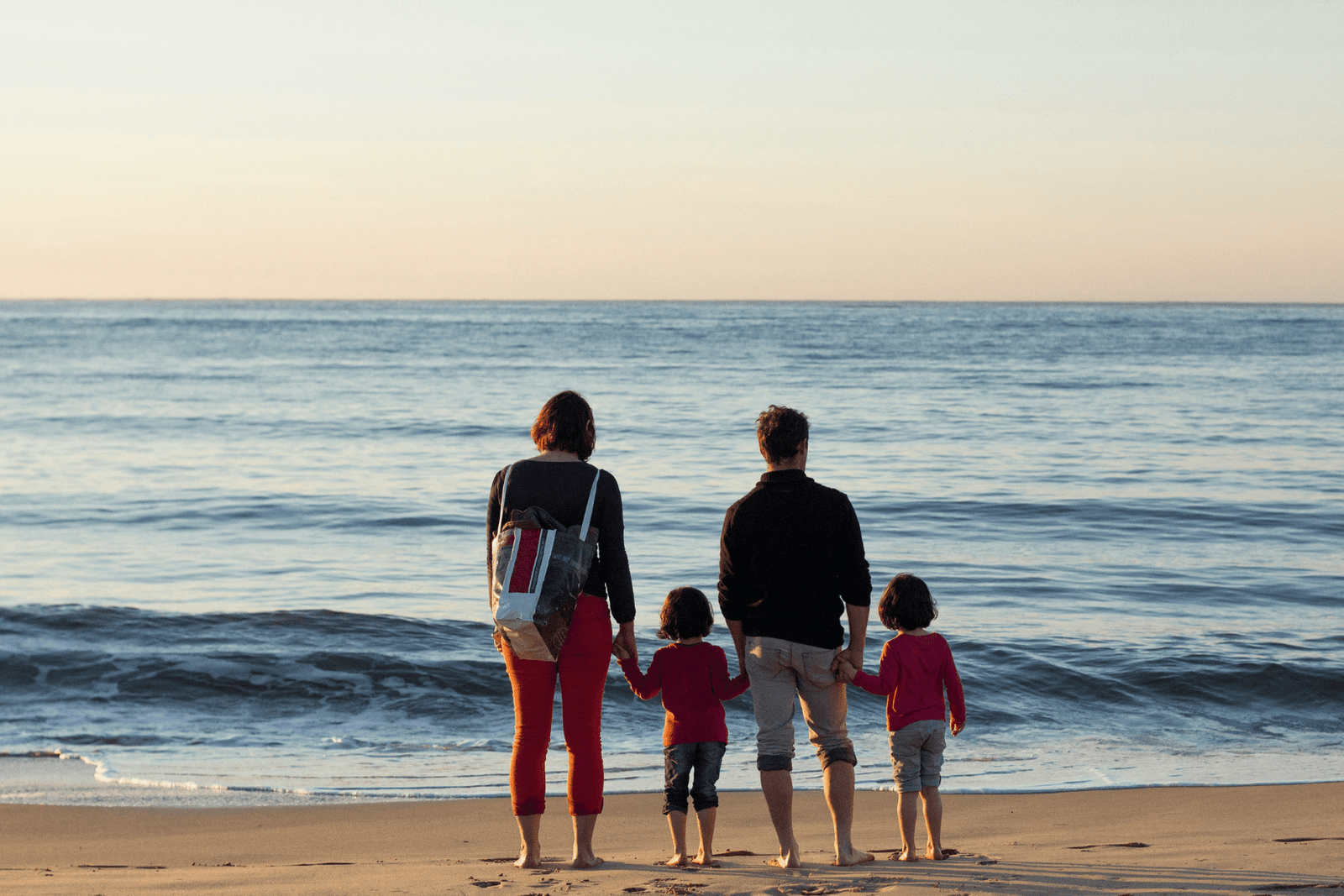



Kids this age can understand more complex connections. They are curious about the “why” behind the rules.
- Explain the Impact: Connect actions to consequences. “When we recycle this plastic bottle, it can be turned into something new instead of sitting in a landfill.”
- Talk About Energy: Explain that electricity doesn’t just magically appear. “Turning off lights and electronics when we leave a room helps save energy, which is good for our planet.”
- Discuss Food Sources: Visit a local farm or start a small garden. This helps them understand where food comes from and the resources required to grow it.
For Pre-Teens and Teenagers (Ages 10+)
Older kids are ready for deeper conversations about global issues and can take on more responsibility.
- Discuss Bigger Concepts: Talk about climate change, conservation, and ethical consumption in an age-appropriate way. Watch documentaries together or read articles to spark conversation.
- Encourage Advocacy: Help them find ways to get involved. This could be joining a school environmental club, participating in a local cleanup, or writing a letter to a local representative about an issue they care about.
- Connect to Their Interests: If they love fashion, talk about fast fashion and thrifting. If they’re into technology, discuss e-waste and responsible device usage.
Fun and Practical Eco-Friendly Activities for Children
Making sustainability a hands-on experience is the best way to keep kids engaged. Here are some activities for the whole family.
1. Start a “Regrow” Kitchen Garden
You don’t need a large yard to teach kids about gardening. Many common kitchen scraps can be regrown on a windowsill.
- How to do it: Place the root ends of celery, green onions, or romaine lettuce in a shallow dish of water. Put it in a sunny spot and watch the new growth emerge. Kids will be fascinated to see their food regrow, teaching a powerful lesson about the life cycle of plants and reducing food waste.
- What they learn: Plant biology, patience, and the value of food.
2. Conduct a Home Waste Audit
This is one of the most eye-opening eco-friendly activities for children and adults alike.
- How to do it: For one week, pay close attention to everything your family throws away. At the end of the week, safely sort through your trash (using gloves). How much of it could have been recycled? How much is compostable food waste? How much is single-use plastic?
- What they learn: This visual exercise makes the concept of waste tangible. It helps families identify their biggest sources of trash and brainstorm ways to reduce it.
3. Create a Nature Journal
Encourage your children to become keen observers of the world around them.
- How to do it: Give your child a blank notebook and some pencils or crayons. Take it with you on walks in the park or hikes in the woods. Encourage them to draw pictures of plants and animals they see, do leaf rubbings, or write down their observations.
- What they learn: It fosters mindfulness, attention to detail, and a deeper appreciation for local biodiversity.
4. Build a DIY Bird Feeder
This simple craft project benefits local wildlife and gives kids a front-row seat to nature.
- How to do it: There are many easy designs using recycled materials. A classic method is to take a pinecone, cover it in peanut butter (or a seed butter), and roll it in birdseed. Hang it from a tree branch and watch your new feathered friends arrive.
- What they learn: This activity teaches children about local ecosystems and the importance of caring for animals in their community.
5. Host a Toy or Book Swap
This is a fantastic way to teach kids about the circular economy and the value of reuse.
- How to do it: Organize a swap with friends, neighbors, or classmates. Each child brings a few gently used toys or books they no longer play with and gets to “shop” for new-to-them items.
- What they learn: It shows them that items can have a second life and discourages the habit of constantly buying new things. It’s a practical lesson in sustainable living for families.
Conclusion: Planting Seeds for a Greener Future
Teaching kids about sustainability is a gift that will grow with them throughout their lives. It’s not about being perfect, but about being conscious and intentional. By celebrating nature, asking questions, and making small, consistent changes, you can empower your children to become compassionate caretakers of our planet.
Start with one or two activities from this list. Get the family involved and make it fun. Every composted banana peel, every thrifted t-shirt, and every light turned off is a seed planted for a more sustainable and hopeful future, led by the generation you are raising today.