The Olympic Games are changing. In the past, the focus was mostly on big stadiums, large crowds, and global competition. Today, the conversation is different. Sustainability, technology, and long-term benefits for host cities are becoming just as important as the sports themselves.
The upcoming 2028 Summer Olympics and 2032 Summer Olympics clearly show this shift. These two Olympic editions are expected to introduce smarter planning, more efficient resource utilization, and enhanced digital experiences for fans and athletes.
Below is a clear look at how these future Olympic Games are shaping up.
What Will Make the 2028 Olympics Different?
The Summer Olympics of 2028 will be hosted in Los Angeles, which is a two-time Olympic host city. Despite that, the 2028 Games will be very different than before.
One of the biggest differences is to use existing venues. Instead of building many new stadiums, a lot of existing sporting arenas are likely to suffice, say organisers. For instance, the iconic Los Angeles Memorial Coliseum will once again play a significant role during the Games.
This technique reduces the cost of building plus impact on environment. It also ensures that the city won’t have unused facilities after the conclusion of the Olympics.
Digital innovation is another major focus. Events can be experienced by fans through virtual reality and interactive streaming services in the future. This could make viewers experience a much more powerful global audience.
How Are the Olympics Becoming More Sustainable?
The Olympic movement is increasingly prioritising sustainability. The IOC, which claims to have reduced the carbon footprint of the Olympics, is also focusing on environmental sustainability and the reduction of wastage.
For the future Olympics, many amenities could be temporary or improved rather than newly constructed. It helps avoid “white elephant” stadiums that will hardly be used after the Games.
Cities are likewise focusing on solar energy, sustainable transport systems, and carbon reduction measures. The Olympics aim to improve environmentally and still be a world-class sporting event.
Why Is Brisbane Hosting the 2032 Olympics?
The Summer Olympics will be held in Brisbane in 2032. It will be the third time in Australia.

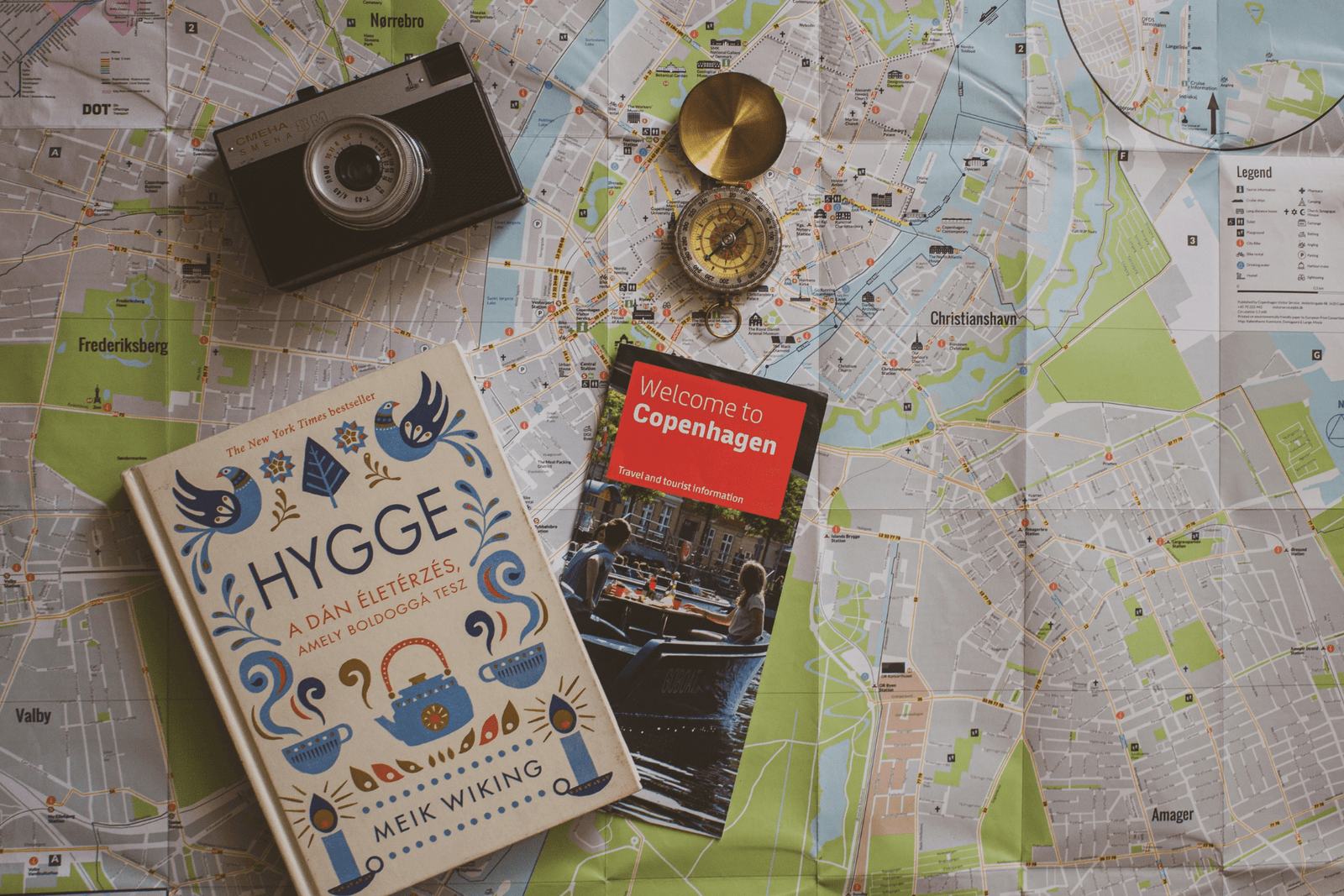

Brisbane was chosen for its sound infrastructure plan and commitment to sustainability. Brisbane aims to distribute events throughout multiple locations across Queensland, unlike other Olympics, which feature events only at one place.
By allowing different regions to take advantage of tourism and economic development. It eases the strain on a single city’s infrastructure.
Many venues will be renovated from the current facilities instead of being constructed from the ground up. This guarantees that any money invested in the Olympics will continue to assist communities in the future.
How Will Technology Shape the Future Olympics?
Technology will play a crucial role in the next Olympic Games. Fans will be able to follow competitions through sophisticated broadcasting tools, available from various angles or as a 360° video. Seconds of a match will be used to relay highlights and player assessment.
Wearable technology, along with sports sciences, will improve the training for athletes. Tracking data can help coaches better understand the performance and help them compete.
Visitors attending the Olympic Games may have a better experience thanks to the introduction of digital ticketing systems, as well as smart crowd management tools and upgraded transportation apps.
What New Sports Might Be Included in Future Olympics?
The Olympic program has changed to appeal to youth. The International Olympic Committee has added new sports like skateboarding, surfing, and sport climbing.
Younger generations begin to like these sports. Future Olympic Games could continue to add modern or urban sports related to youth culture around the world.
Flexible event formats and mixed-gender competitions are also becoming more common. These changes help keep the Olympic Games relevant and inclusive.
What Benefits Do Host Cities Get From the Olympics?
The Olympics can bestow long-term benefits of hosting. Tourism enhances the city’s image, bringing substantial international media and investment over time.
Contemporary Olympic planning is more focused on balanced investment. Cities like Los Angeles and Brisbane are being careful not to build unnecessary structures, and only going ahead with constructions that will be of use to the people even after the Games are over.
The Olympics help in creating cultural exchange as well. The ceremonies, opening and closing, regularly showcase everything that defines a nation, its history, art, and tradition, to billions of viewers across the world.
What Does the Future of the Olympic Games Look Like?
The future of the Olympics is moving toward smarter, more sustainable planning. Instead of focusing solely on scale and spectacle, organizers are now considering long-term value, environmental responsibility, and global accessibility.
The upcoming Summer Olympics are likely to be instrumental in this transformation in the near future.
By blending technology, sustainability, and community-oriented design, these Games could alter how the Olympics are conducted in the decades ahead.
Through sports, the Olympic spirit continues to remain the same, bringing the world together and uniting. However, the manner in which the Games are being performed is adapting to the requirements of a modern world.