For a long time, we were taught that in order to be “successful”, we need to be 100% focused on our jobs.
Any time spent on painting, playing guitar, or gardening was seen as a “waste of time” that could be spent towards working.
But the modern professional world is realising that this mindset will lead to a slower growth and a faster burnout.
The most successful people in the world have a “secret” creative outlet. Whether it is a CEO who plays jazz piano or a developer who builds furniture, these hobbies aren’t just for fun, but they are the “mental cross-training” that makes them better at their jobs.
In a world where AI handles the routine tasks, your human creativity is your valuable asset.
The “Cross Pollination” of Ideas
When you spend all your day solving one type of problem, your brain will get stuck in a “groove.”
A creative hobby will force your brian to think in a completely different way – this is called “Cognitive Flexibility.”
If you are a coder who takes up pottery, you start thinking about structure and shape. If you are a lawyer who writes poetry, you will begin thinking about the rhythm and weight of the words.
When you go back to your desk, you bring those new neural pathways with you. Research suggests that people with creative hobbies are 15% to 30% more likely to find “out of the box” solutions at work as compared to those who don’t have an outlet.
Low-Stakes Failure and the “Growth Mindset”
At work, failure tends to feel expensive.
It can mean lost money, unhappy clients, or a bad performance review. This makes us “risk averse” and afraid to try new things.
A creative hobby is a safe space to be terrible at something. If you mess up while painting, you are just staring over – which cultivates a “Growth Mindset”, a belief that you can improve through effort.


This feeling of resilience is a super power in a professional setting. When you aren’t afraid to “spoil the canvas” you are taking a step forward to take risks in your career.
How Hobbies Build Professional Skills
| The Creative Hobby | The Professional “Power-Up” | Why it Works |
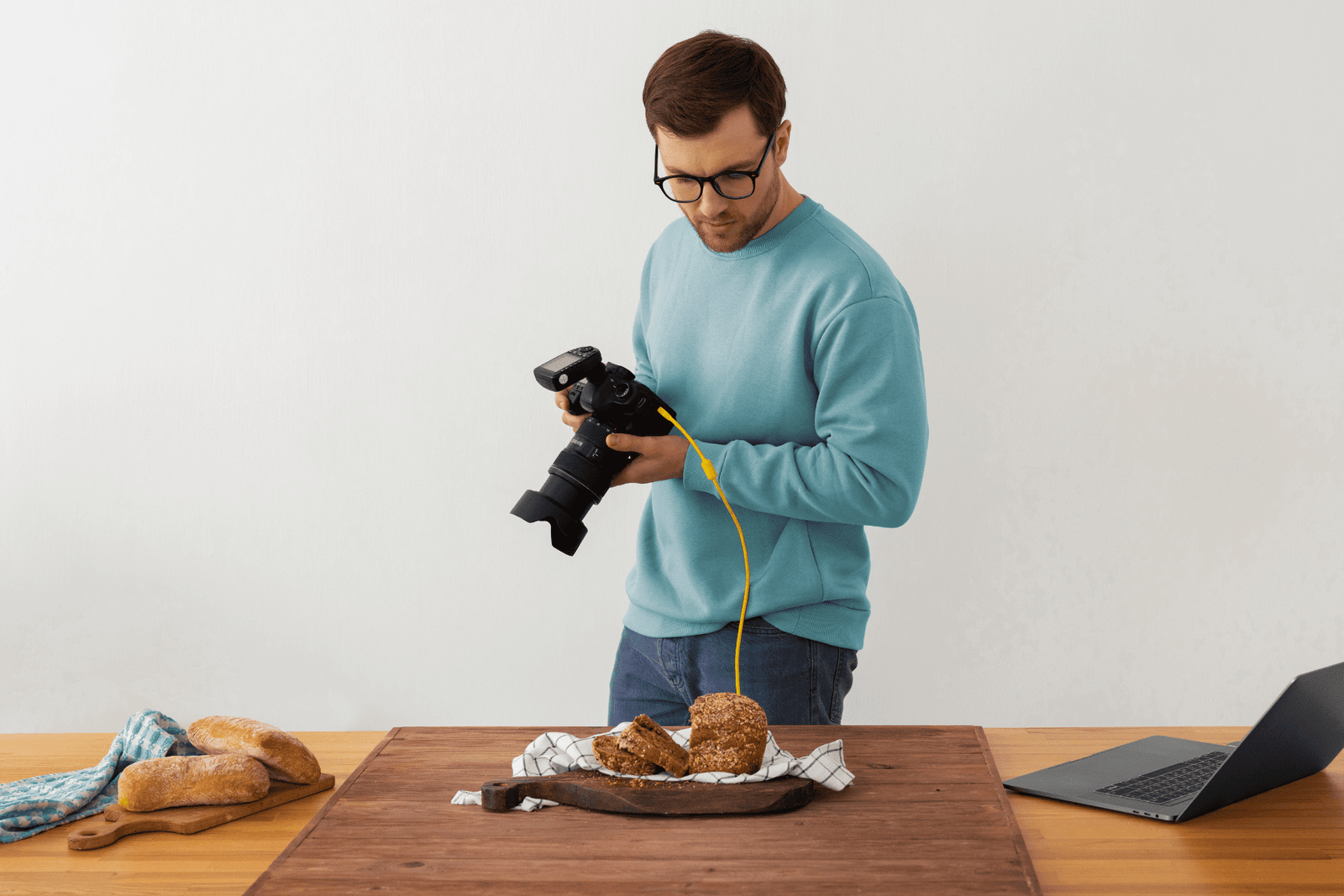
| Photography | Attention to Detail | You learn to see things others miss. |
| Cooking | Project Management | You learn timing and resource handling. |
| Team Sports | Collaboration | You learn to trust others to reach a goal. |
| Writing / Journaling | Communication | You learn to organize your thoughts clearly. |
| Gardening | Long-term Planning | You learn that results take time and care. |
An Ultimate “Burnout” Shield
Burnout can happen when your brain is stuck in a state of constant “output.”
You are always giving, always performing, and always reacting to notifications. A creative hobby proves a moving needle that brings your brain into a “Flow State.”
This is when you are so indulged in an activity that at times seems to disappear – it isn’t just “relaxing”, it is a neurological reset.
Studies on workplace performance show that employees who engage in a creative hobby outside of work recover from job stress faster and have a high level of “job self-efficacy” (a belief of being able to manage and handle all of the tasks).
Building a “Non-Work” Identity
If your work is your only source of pride, a bad day at the office can become a bad life.
This is a very fragile way to live. Creative hobbies give you a “Second Identity.” When your project at work feels stuck, you will still feel successful because you finished a hard piece of music or grew a perfect tomato.
This buffer will keep your confidence high – making you a stable and effective leader.
In fact, a top-tier recruiter now looks for “T-shaped Professionals”, people who have deep expertise in one area but a broad range of interests in others.
Start by Being “Unproductive”
The irony of professional success is that to get further ahead, you occasionally need to step away.
A hobby isn’t a distraction from your career; it is the fuel for it.
So, pick up the brush, the guitar, or the woodworking tool. Don’t worry about being “good” at it. Just enjoy the process of making something that didn’t exist before.
Your brain, and your boss, will thank you for it.
Frequently Asked Questions
I’m too busy for a hobby; how can I fit this into my schedule?
Think of a hobby as “mental maintenance.” Even 15 minutes of sketching or cooking a new recipe can provide the neurological reset you need.
Do I have to be talented for a hobby to help my career?
Absolutely not; the professional benefits come from the effort and the learning process, not from the quality of the final product.
Can gaming be considered a creative hobby for success?
Yes, if it involves strategy, world-building, or community management, as these skills translate directly into problem-solving and leadership at work.
Is it better to have a solo hobby or a group hobby?
Solo hobbies are great for deep focus and “flow,” while group hobbies are excellent for building social skills and networking outside your industry.