If you walked into a high-end luxury boutique in 2010, you would have seen rows full of suits, silk gowns, and polished leather loafers. Fast forward to 2020 and beyond, and those same shelves are not filled with a 900 USD hoodie, a chunky “dad” sneaker and a graphic T-shirt.
So what actually shifted? How a “uniform” of skaters, surfers and hip-hop culture end up on the runaways of Paris and Milan streets. This was not just a trend – it was a full-scale fashion change. Let’s see how a decade changed fashion forever.
The 2010s – The Walls Come Crumbling Down
At the start of the decade, “High Fashion” and “Streetwear” both lived in two different worlds of fashion. High Fashion was exclusive, expensive and followed by strict rules. Whereas, Streetwear was all about community, comfort and “the drop” (the release of limited edition fashion).
This change began when the designers started to understand that the younger generation didn’t want to wear their father’s suits – but want to wear something that feels real and vibeful.
2012-2014 – The Rise of the “Hype:
Brands such as Supreme, Stussy, and A Bathing Ape started gaining attention in mainstream fashion. Suddenly, celebrities were not just wearing tuxedos, they started wearing hoodies with “box logos”. This gave birth to a whole new kind of luxury: i.e. Exclusivity. It wasn’t just about how much the fabric cost, it was all about how hard it was to find.
2017: The “Big Bang” of Fashion
If there is one instance that proves streetwear was the winner, it was Louis Vuitton x Supreme – a turnaround collaboration in 2017.
For the first time, a 160+ year old French luxury brand house collaborated with a New York stake brand. It sent shockwaves through the industry by proving that “cool” was more valuable than “classy.”
Why Made Streetwear a Winner: The 3 Major Reasons
Why did the world swap blazers for hoodies? Just because of the below three simple reasons:
- Comfort is King: People’s life became busier than usual. We started working from coffee shops, traveling more and focusing on movement. A hoodie is simply more functional than a corset of a stiff suit.
- The Power of the “Drop”: A high fashion used to have two seasons: Spring/Summer and Fall/Winter. Streetwear introduced “drops” i.e. weekly releases of some limited edition items which kept people talking about brands all year round.
- Social Media & Influencers: Streetwear is visual. It is made for Instagram with bold logos and “ugly” sneakers that stand out in a feed much more than a perfectly designed grey suit.
What the Numbers Say About Streetwear
To understand how big this change is, look at the below authority-packed statistics that prove the point:



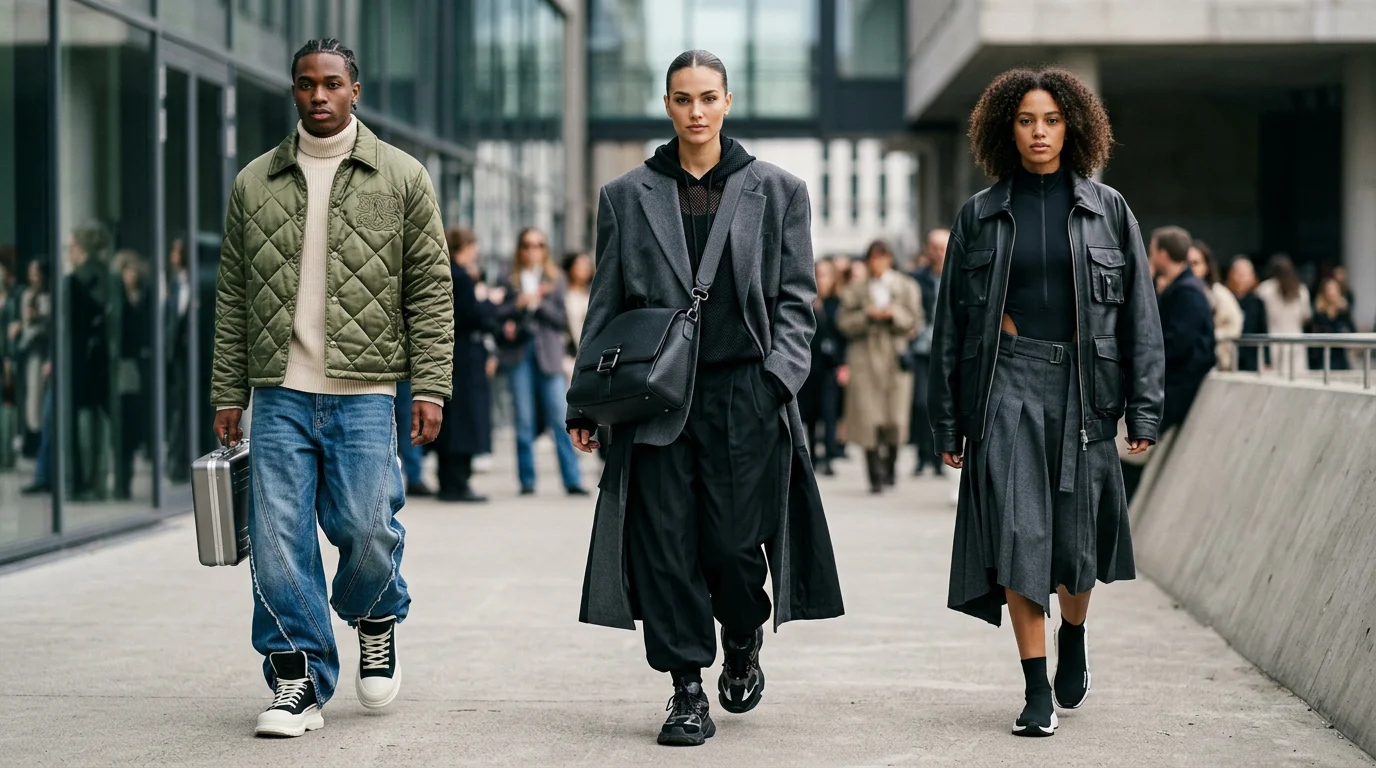
The global streetwear market was valued at approximately $185 billion in 2023 and is projected to continue growing. This shows a massive portion of the total global apparel market, proving it is no longer a “Niche style”.
The sneaker and streetwear resale market is forecasted to reach a worth of $30 billion globally by 2030. This means people aren’t just buying these clothes to wear them; they are treating them like gold or stocks.
A Decade Of Power Moves: Some Key Milestones To Watch For
| Year | The Event | Why it Mattered |
| 2011 | Kanye West & Jay-Z’s Watch the Throne | Brought high-fashion brands like Givenchy to the hip-hop masses |
| 2012 | Off-White is founded | Virgil Abloh blurred the line between “street” and “runway.” |
| 2015 | Yeezy Season 1 | Changed the color palette of fashion to earthy, neutral and oversized tones. |
| 2017 | LV x Supreme | The ultimate “marriage” of luxury and street culture. |
| 2018 | Virgil Abloh joins Louis Vuitton | The first streetwear designer to head a major luxury house. |
| 2022+ | “Quiet Luxury” vs Logomania | The movement shifts toward high-quality, unbranded streetwear. |
How “Virgil Abloh” Got All the Attention
A decade change of clothing is incomplete without talking about “Virgil Abloh” He was the bridge.
As the founder of Off-white fashion and later the Artistic Director at Louis Vuitton and was popularly told that streetwear was a “movement” rather than just a style of dress. He treated sneakers with the same amount of respect that old-school designers treated ballgowns.
His influence allowed a whole new generation of diverse creators to enter the “room” where fashion decisions are made.
Is Streetwear “Dead”? (The Future of the Trend)
Every few years, a critic says, “Streetwear is dead.” – but in reality, it hasn’t died; but has turned to be a new normal.
Nowadays, we see a move towards “Luxury Streetwear” or “Quiet Luxury”. Instead of giant logos, people are looking for the perfect-fitting hoodie made of the world’s best cotton. The silhouettes are still relaxed and “street” but the materials are high-end.
The New Uniform of the World
The last decade wasn’t just about sneakers getting more expensive; it was about the democratization of fashion. High fashion used to be a club that most people weren’t invited to. Streetwear forced the doors open.
By focusing on comfort, community and self-expression, streetwear has become the universal language of style. Whether you are in Tokyo, London or New York, the “hoodie and sneakers” combo is the new suit. High fashion didn’t just adopt streetwear, it was expanded by it.
FAQs
1. What exactly is “Streetwear”
At its core, it is casual clothing that grew out of surf, skate, and hip-hop cultures. It is defined by comfort and a sense of community.
2. Why are some streetwear items so expensive?
It is mainly a mix of two things: high-quality materials and scarcity. If only 100 items are made, the price will go up because everyone needs a piece of the “club”.
3. Can I wear streetwear to the office?
In 2026, the answer is a big “YES” The trick is “elevated streetwear.” Pair them with clean, unbranded sneakers with a nice pair of trousers and a high-quality hoodie or quarter-zip.
4. What is a “Hypebeast”?
This is a slang term for someone who follows the latest trends and “hyped” releases, often buying clothes just because they are popular or have a high release value.
5. Will suits ever come back?
They never really left, but they’ve changed. Modern suits are now worn with sneakers and T-shirts, showing how streetwear has impacted the “formal” wear.