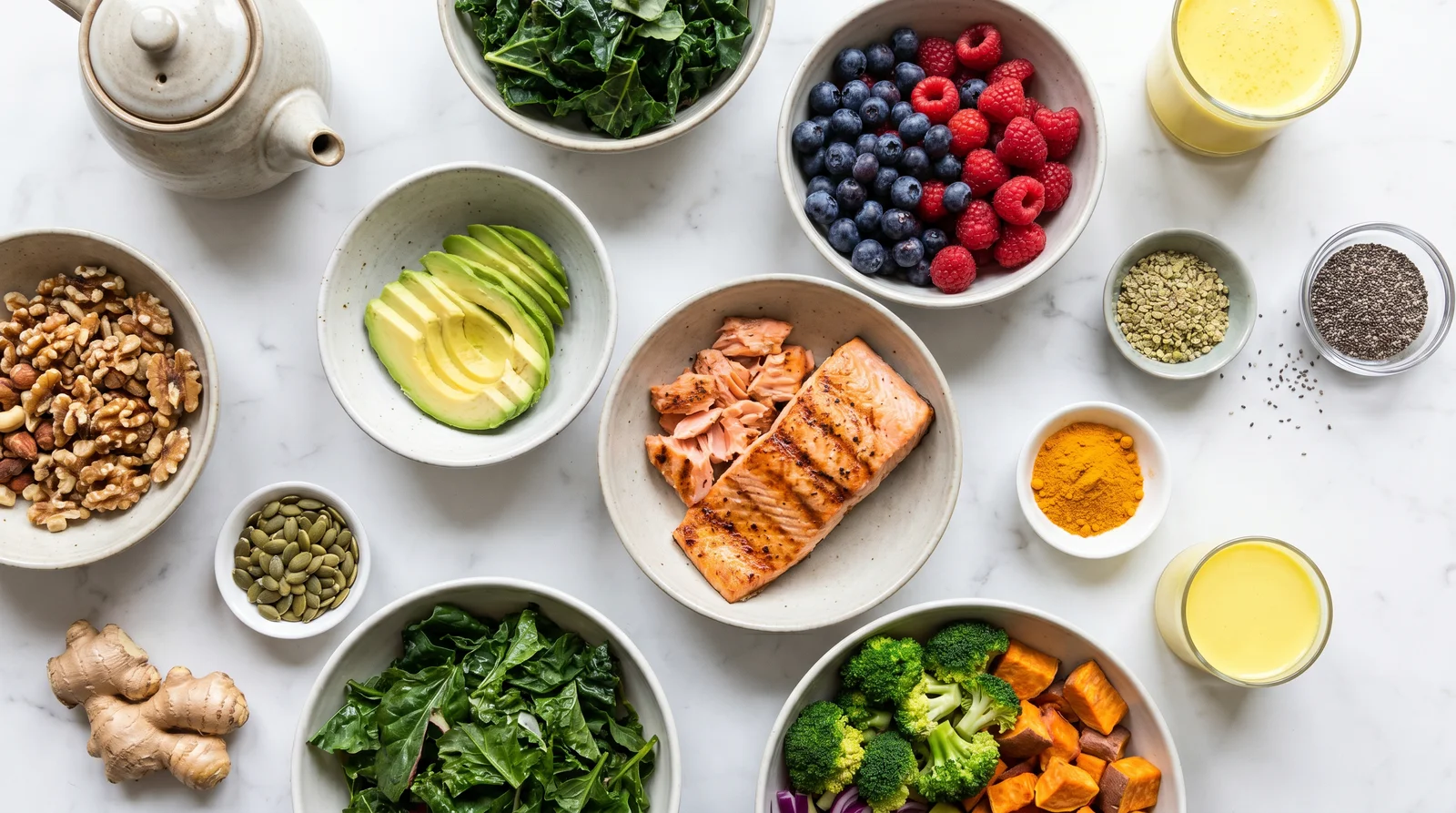
Polycystic ovarian disease (PCOS) is a common hormonal imbalance problem that can feel confusing at first. Later, you find suffering with an irregular or absent menstrual cycle, facial hair growth and excessive weight gain. When you take appointments and the doctor says to focus on weight management and suggests improving your diet, suddenly everyone around you has a different diet chart, and you will be confused about what to do. Of all these, one thing becomes clear: all you need to do is follow a good diet, and food plays a big role in nurturing you.
What is PCOD?
PCOD is a metabolic and hormonal imbalance where the ovaries begin producing excess androgens, or “male hormones”, which throw the entire reproductive system off balance. Eggs that should develop and release during ovulation instead get trapped, forming tiny, fluid-filled cysts on the ovaries.
But here’s what most people don’t realise: this isn’t just a “period problem”. The roots run much deeper.
The good news? Understanding why your body behaves the way it does is already the first step toward doing something about it and that’s exactly where food comes in.
Why Diet Matters in PCOD
Before jumping into the meal plan, it helps to understand why diet matters in the first place.
Many women with PCOD experience insulin resistance, which means the body has difficulty using insulin efficiently. When blood sugar levels rise too quickly, the body produces more insulin, which can influence hormone balance.
Because of this, the goal of a PCOD-friendly diet is to:
- keep blood sugar stable
- Include fibre-rich foods
- prioritize lean proteins
- reduce heavily processed sugar
This doesn’t mean removing entire food groups. It simply means creating balanced meals.
7-Day PCOD Diet Plan for Beginners
Day 1 – A Balanced Start
Most people don’t fail diets because they’re lazy.
They fail because they start too aggressively.
You wake up. Coffee. Maybe something sugary. Then the crash hits by 11:00.
Instead, keep it simple. Eggs, toast, avocado. Real food. Something that actually holds you together for a few hours.
Mid-morning? Apple slices and almonds. Not exciting. But stable.
Lunch is where people go wrong. Heavy, oily, rushed. Then comes the afternoon slump.
Trygrilled chicken, greens, and olive oil. You should feel light after eating, not sleepy.
Yoghurt and berries are later. Salmon and roasted vegetables at night.
Nothing extreme. That’s the point.
Day 2 – Supporting Gut Health
Now you will notice it in small moments. Less bloating after meals. More stable mood. Fewer random cravings.
Start the morning with oats, chia, and berries. It feels slow. That’s why it works.
Snack on something simple:coconut water or walnuts. Keep it easy.
Lunch:quinoa, sweet potato, and chickpeas. Warm, filling, not heavy.
And here’s something people don’t like hearing:
If your gut is off, no diet will “work” the way you expect.
Dinner stays clean. Turkey or tofu, rice, and greens.
It’s not about eating less. It’s about digesting better.
Day 3 – Reducing Inflammation
Low energy. Skin acting up. That constant heaviness.
Morning smoothie. Spinach, banana, and flaxseeds. It’s not glamorous. But it does something.
Fruit and seeds for snacks. Light, refreshing.
Lunch wrap with protein, hummus, and vegetables. Easy to eat, easy to carry.
But here’s the uncomfortable part:
People say they want “anti-inflammatory foods” but still hold onto inflammatory habits: poor sleep, stress, and sugar.
Dinner stays clean again. Fish or tofu, greens, quinoa.
Consistency matters more than perfection.
Day 4 – Protein for Metabolism
This is where most people under-eat protein.
Then they wonder why they’re hungry all day.
Breakfast: omelette with vegetables.
Snack on yoghurt. Something that actually satisfies.
Lunch: rice, beans, vegetables. Balanced. Grounded.
Afternoon hits. That’s where roasted chickpeas or even a banana helps.
Dinner:pasta, but with protein. Chicken or tofu. Not just empty carbs.
A lot of “overeating” is just under-eating protein earlier in the day.
Day 5 – Hormone-Supporting Foods
Hormones don’t crash overnight. They slowly drift out of balance.
Morning starts with softchia pudding and berries. Light but nourishing.
Fruit as a snack. Keep it simple.
Lunch shrimp or tofu, greens, and healthy fats. This is where your body quietly stabilises.
Seeds or nuts later.

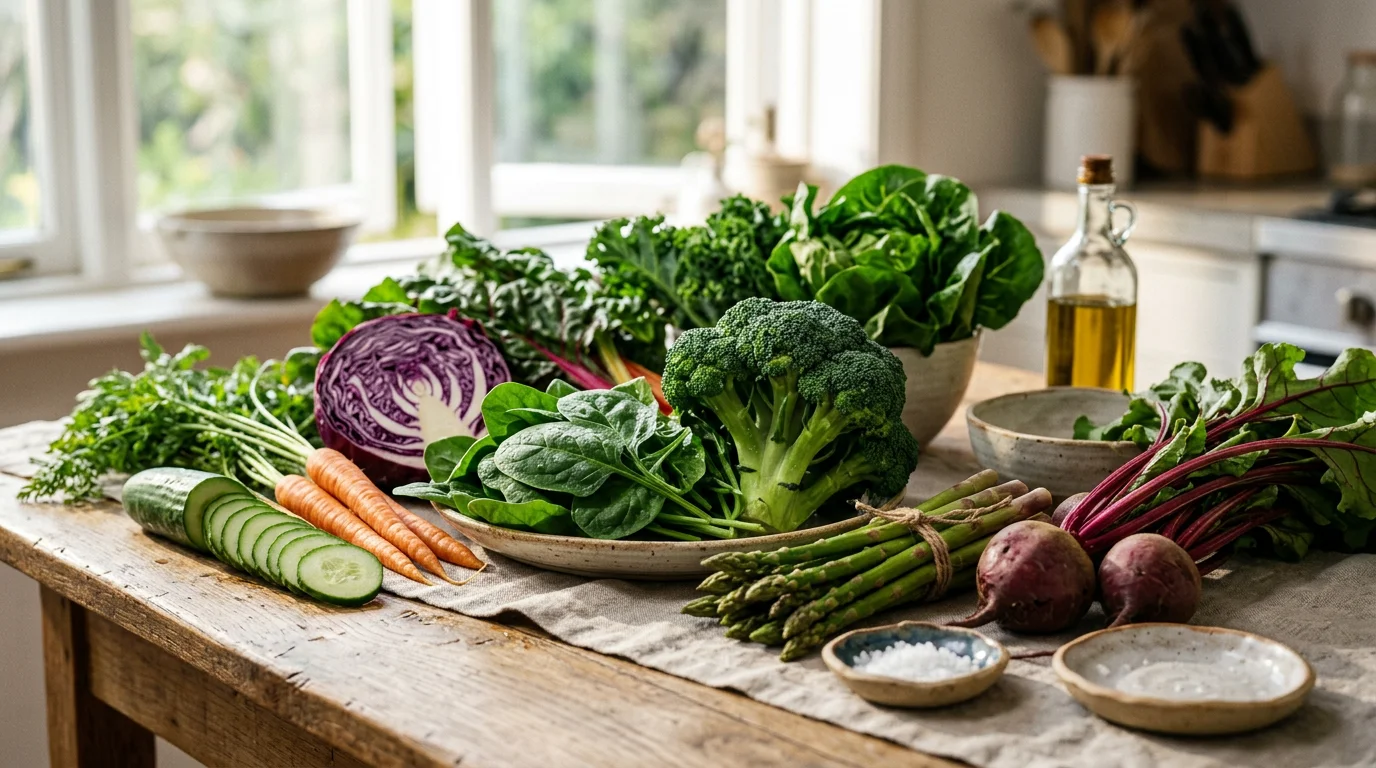
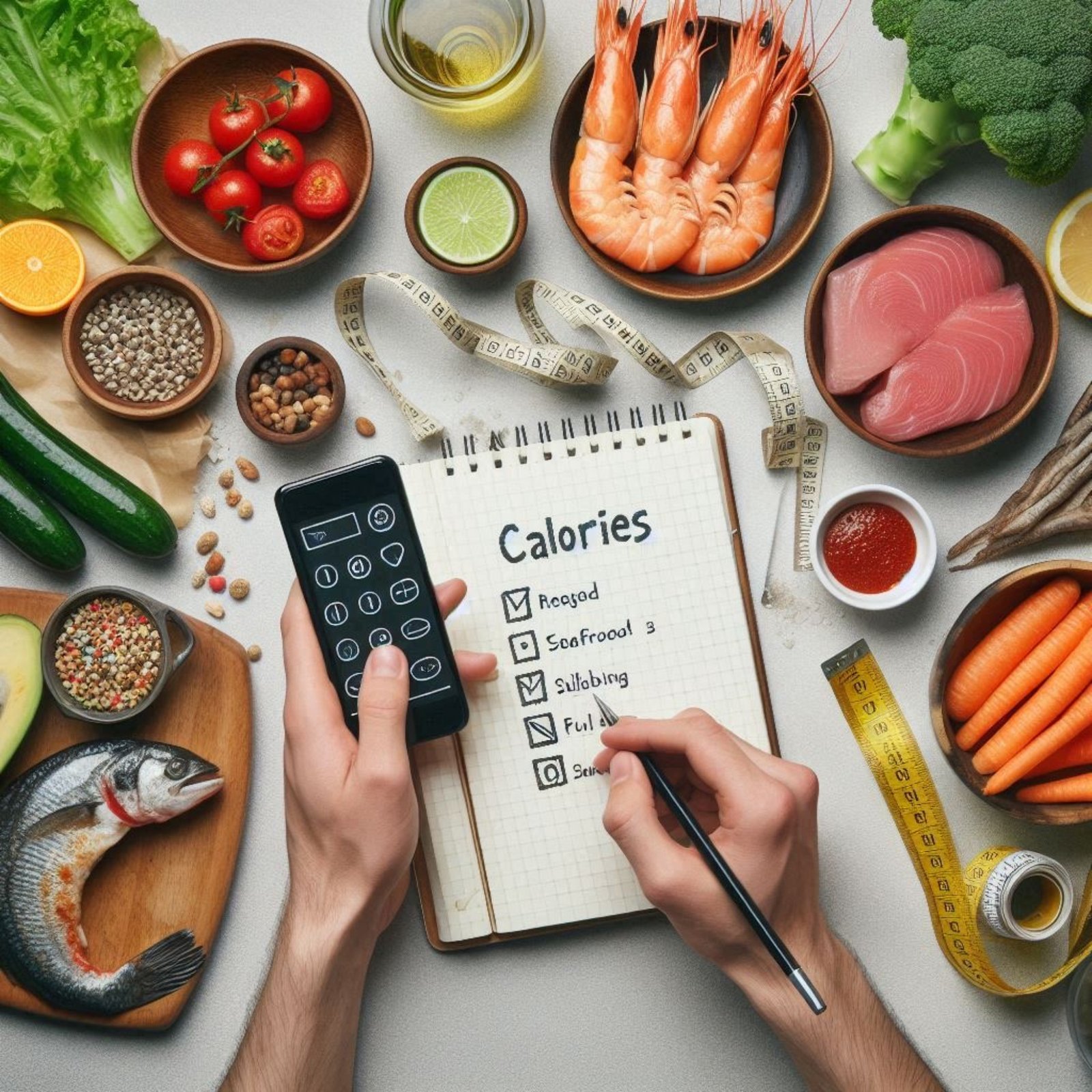
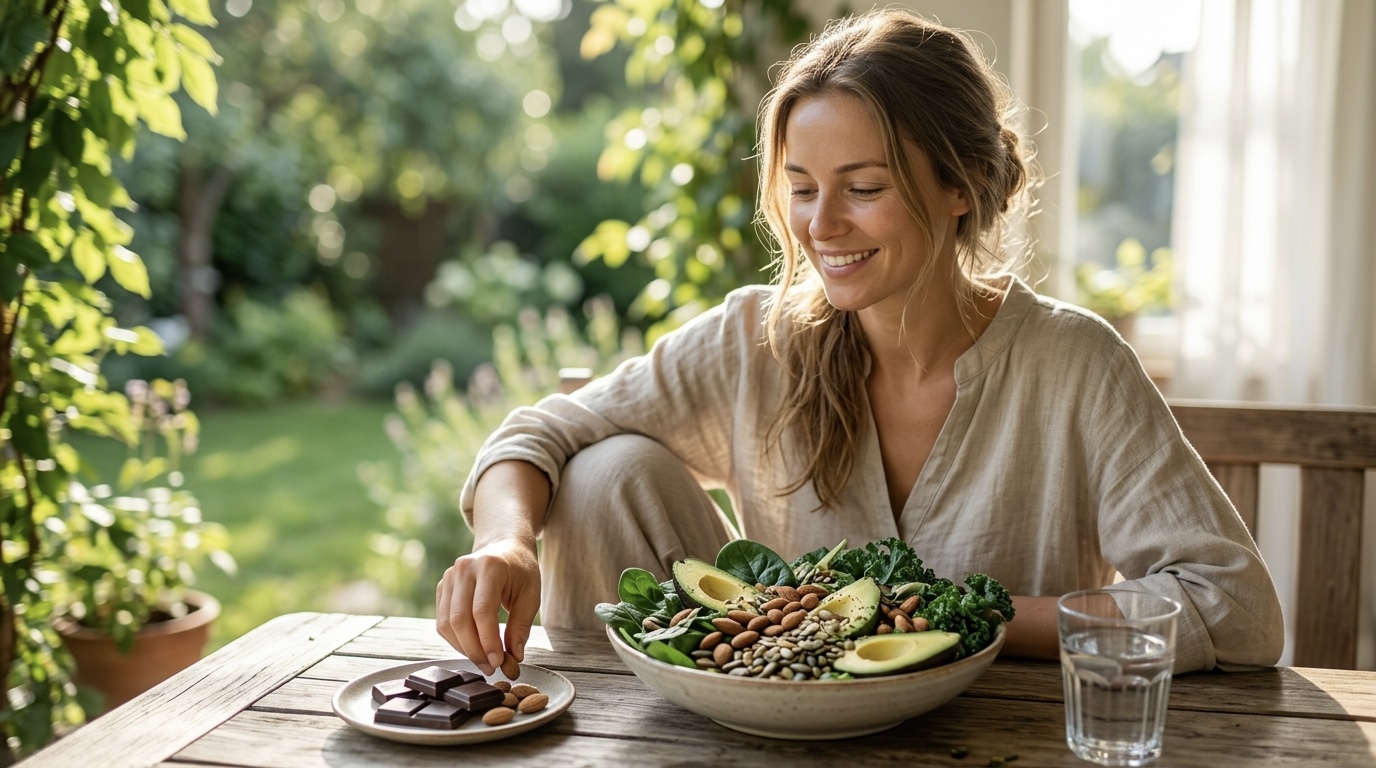
Dinner: stir-fry. Warm, comforting, easy to digest.
Nothing dramatic happens in one day.
Day 6 – Hydration and Light Digestion
Some days, your body doesn’t need more food. It needs less pressure.
Start with warm lemon water. Pause. Then eat.
Avocado toast and egg. Gentle.
Tea and almonds later.
Lunch: lentil soup. Light, but grounding. You should feel calm after eating.
Smoothie in the evening. Dinner stays simple: vegetables and rice.
Eating lighter sometimes gives you more energy than eating “more”.
Day 7 – Reset and Nourish
By now, most people either feel better… or they’ve already quit.
Breakfast: oat pancakes, peanut butter, and banana. Comfort, but still balanced.
Smoothie later.
Lunchquinoa, roasted vegetables, and a bit of cheese.
Snack on nuts or yoghurt.
Dinner: grilled protein and vegetables.
And that’s it.
No detox. No extremes. No “reset hacks”.
Just steady, slightly boring consistency is the thing people underestimate the most.
Helpful Tips for Managing PCOD Through Diet
Daily routines are just as vital as a food plan. Many dietitians suggest the following useful advice.
Consume Well-Balanced Meals
Try adding nutritious oils, fibre, and energy during most meals. This combination helps maintain consistent levels of energy and slows down the breakdown of sugar.
Don’t Miss Meals
Meal skipping could end up in unexpected hunger and consequent excessive snacking. Habitual eating promotes a stable metabolism.
Select Whole Foods
Nutrients that processed meals frequently lack are found in whole grains, fruits, vegetables, nuts, and legumes.
Keep Yourself Hydrated
Dehydration can occasionally cause weariness and desires. Maintaining general well-being is aided by consuming sufficient water throughout the day.
Foods which impact your pcos diet
Mixing grains and processed carbohydrates
White bread, white rice, pastries, biscuits, naan, and other products made with maida are examples.
These undergo quick transformation, which results in significant sugar rises and a large release of the hormone insulin, which leads to resistance to insulin.
Additional Sugars and Sweeteners that are
Mithai are sweets, packaged fruit drinks, packaged smoothies, sodas, and sugary morning cereals.
Sugar overconsumption directly contributes to weight growth and fat accumulation by causing inflammation. Sweetener cravings are common in women with PCOD because of higher insulin levels.
Unhealthy Fats and Food Processed
French fries, chips, deep-fried foods (Samosas, Pakoras) and processed meat (sausage).
These include dangerous trans fats and cholesterol-rich fats that exacerbate swelling and cardiovascular health. Some Fruits (in Excess)
fruits high in sugar, such as chikku, jackfruit, and mango.
Fruits are good for you, yet you should eat them in moderation. Instead, choose low-GI fruits like oranges, pears, berries, and apples.
Too Much Dairy
dairy products and full-fat milk.
For certain individuals, the growth hormones found in dairy products can raise testosterone levels, which may lead to more acne or hair growth. Note: Since everyone has an additional tolerance, see a dietician.
Alcohol and Caffeine
heavy use of coffee & beverages containing alcohol.
Alcohol can throw off blood sugar regulation, and drinking too much coffee might upset hormone balance.
Final Thoughts
Dealing with PCOD doesn’t mean adhering to a strict schedule and diet. To follow a good diet rich with nutrients or good fats is not about the advice that you must have to eat eggs on Sunday. Sometimes, not restricting but consistently choosing healthy eating habits might be helpful to fight PCOD.
Frequently Asked Questions
What’s the difference between PCOD and PCOS?
PCOD is the ovaries releasing immature eggs, which leads to cysts. PCOS goes deeper it’s a full metabolic disorder. They’re related but not the same. Your doctor can tell you which one you’re actually dealing with.
Can diet alone cure PCOD?
No. Anyone saying otherwise is selling something. What diet does is reduce insulin resistance, which quietly drives most of your symptoms. It won’t cure you. But it’s the one thing you can control every single day.
How long before something actually changes?
Small things: less bloating, fewer crashes within two to three weeks. Your cycle shifting takes three to six months. Most women quit around week two because nothing dramatic happened. That’s exactly when it’s starting to work.
Do I have to give up rice and roti?
No. The problem was never rice. It’s rice eaten alone with nothing else. Add dal, sabzi, and some curd; your blood sugar barely notices. Combination matters more than elimination.
I’m not overweight. Why do I still have PCOD?
Because PCOD is hormonal, not a weight problem. Insulin resistance doesn’t check your weight before it shows up. Thin women get PCOD too and get dismissed because of it.
Is dairy actually bad?
Depends on your body. Some women cut it and their skin clears within weeks. Others notice nothing. Try removing it for a month. Your body will answer better than any blog will.
Do I have to quit coffee?
One cup with food is fine. Three cups on an empty stomach spike cortisol and pull your hormones in the wrong direction. If your sleep is broken and anxiety is high you already know coffee isn’t helping.
Is fruit bad because of sugar?
Fruit isn’t the enemy. Three mangoes on an empty stomach is a different story. Stick to berries and apples and pears; eat them with something that has protein. That small change matters more than cutting fruit entirely.
I’ve failed every diet I’ve tried. What’s different here?
Nothing, if you approach it the same way. Most diets fail because women start too hard, restrict too much, and quit by day five. This isn’t about perfection. It’s about slightly better choices made more often than worse ones. That’s genuinely it.
Should I follow this plan or see a dietician?
Start here. But PCOD is different in every woman; your thyroid, stress levels, food culture – none of that fits one plan. This gives you somewhere to start. A dietician gives you somewhere to go.