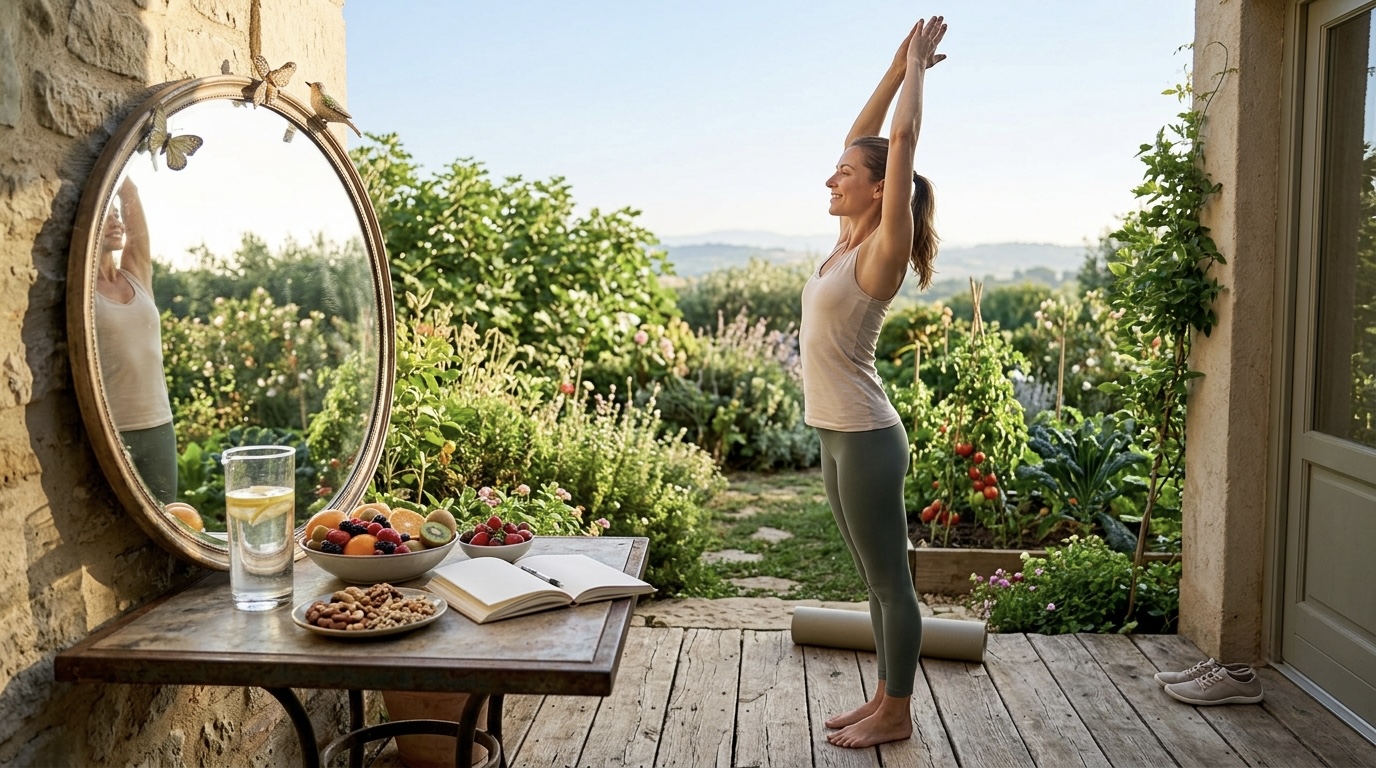
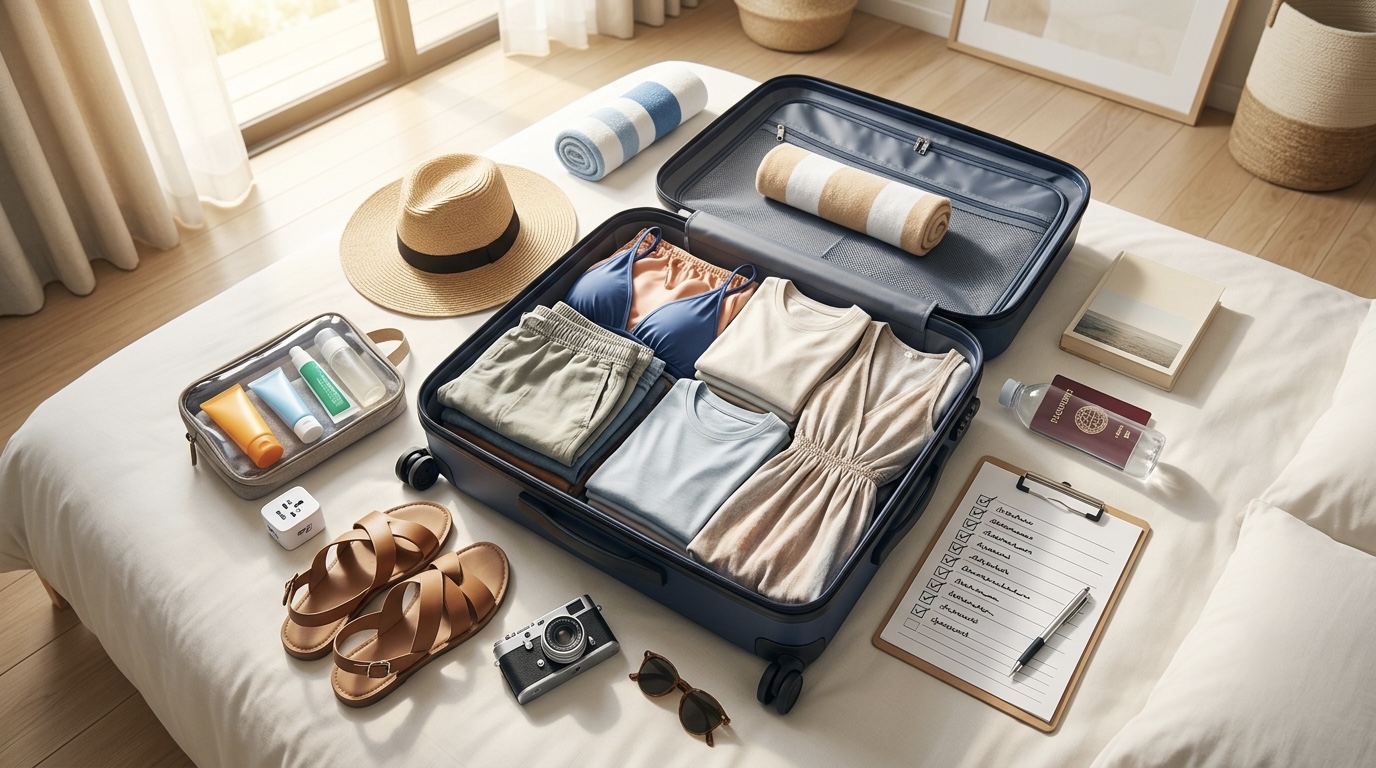
If you scroll through Instagram or Pinterest, and search for “Minimalism” it looks like a specific thing: a perfectly white room, one single succulent on a wooden table, or a wardrobe that consists of three beige shirts. It looks beautiful, but it also looks expensive and a little bit cold.
But here is the secret: Minimalism is not about what you own, it is about why you won it. In 2026, as our digital and physical lives become more cluttered than ever, minimalism has evolved. It is not just a “look” for architects and influencers, but it has in fact become a survival strategy for our mental health, our wallets, and the planet.
The Mental “Clear Out”: Less Mess, Less Stress
Have you ever noticed that you feel more anxious when your desk is covered with papers or your bedroom floor is buried under laundry? That is not a coincidence. Our brains are hardwired to process everything in our field of vision.
Every piece of “clutter” is a minimal task your brain is trying to solve.
Minimal living is the art of decluttering your mind by decluttering your space. When you eliminate the things that you do not use anymore, need or love, you stop the “visual noise”. You’ll find that you can focus longer, sleep better, and breathe a little easier.
The Financial Freedom: Breaking the “Buy-Loop”
We are often told that we are “one purchase away” from happiness. New phone? Happiness. New shoes? Happiness, – but that feeling wears off within the 48 hours, leaving us with less money and more stuff.
Minimalism flips the script. Instead of asking “Can I afford this?” you should start with “Does this add value to my life” *The “One-In, One-Out” Rule: For each new item you bring into your home, one must leave – which makes you buy with an intention.
- Quality over Quantity: Minimalists would own one pair of $100 boots which lasts five years then five pairs of $20 boots which fall apart in three months.
What the Data Speaks About Minimalist Living
Minimalism is all about moving from a “lifestyle choice” to a major economic change. Check what the numbers speak about living a minimal life:
A landmark research from UCLA’s Center on Everyday Lives of Families discovered a direct biological link between clutter and mental health.
The study showed that individuals living in high-density “clutter” environments had higher levels of cortisol. By choosing minimalism, you are quite literally prescribing yourself peace.
The Hack of Reclaiming Your Time



Think about how much time you spend on:
- Cleaning things you don’t use
- Searching for keys under piles of junk.
- Organising “stuff” just to move it from one room to another room
- Working an extra hour to pay for things you didn’t really want.
When you own less, you have less to manage – which “saves time” because a saved time is a true luxury of minimalism.
You can spend it on experiences, like traveling, hanging out with your friends, or finally starting that hobby you’ve been putting off.
What is the Minimalist Mindset: Difference of Aesthetic vs. Reality
| The Aesthetic | The Reality |
| All-white furniture and bare minimum walls | Keeping only what “hits the chord” or serves a purpose |
| Owing almost nothing | Owing what you need to live well |
| Feeling restricted or “empty” | Feeling light, free, and in control of your space |
| Buying expensive “minimalist” brands | Stopping the urge to buy things altogether |
What is the Digital Minimalism – A 2026 Frontier
In 2026, the mess is not just in our closets, it is in our pockets. A digital minimalism is all about taking back control of your attention.
- The Notification Purge – If it is not from a real human or a calendar event, turn it off.
- The App Audit: If you haven’t opened an app in 3 months, delete it.
- The “Inbox Zero” Peace – Use filters to stop the flood of newsletters you never read.
Freedom is the Final Goal
Minimalist living is not a set of strict rules. You don’t have to throw away your books or live in a tiny house to be a minimalist.
It is just about clearing the path so you can focus on what matters the most. When you stop being defined by what you have, you finally have a space to figure out who you are.
It is not about having a “pretty” house, but it is more about having a “meaningful” life.
So begin with small. Pick one drawer today. Empty it. Ask yourself: “Does this help me or hinder me?” You might be surprised at how much lighter you feel when you finally let go.
FAQs
1. Does minimalism mean I have to be “boring”?
Not at all! In fact, it makes your life interesting. Instead of having a house full of “okay” things, your home will become a collection of things you truly love and that have great stories behind them.
2. What if I’m a “maximalist” who loves color and collections?
You can still feel “minimalist” in spirit! Minimalism is about removing clutter. If your 50 vintage cameras bring you genuine joy every day, keep them! Just get rid of the broken toaster and the stacks of old mail.
3. How do I handle gifts from people?
This one is a tough choice. The best way is to ask for “experiences” instead of “things.” If you receive an item that you don’t need, it is okay to donate it. The “love” was in the act of giving, not the object itself.
4. Is minimalism just for a single person?
No, but it definitely needs a conversation if you live with a family! Focus on your own spaces first. Often, when people look at how much happier you are with less, they’ll wish to join you.
5. How do I start if I’m overwhelmed?
Try the “10-10-10” rules. Find 10 items to lose, 10 items to donate and 10 items to put back in the proper place, this 10 minutes will create room for a “WIN” situation.