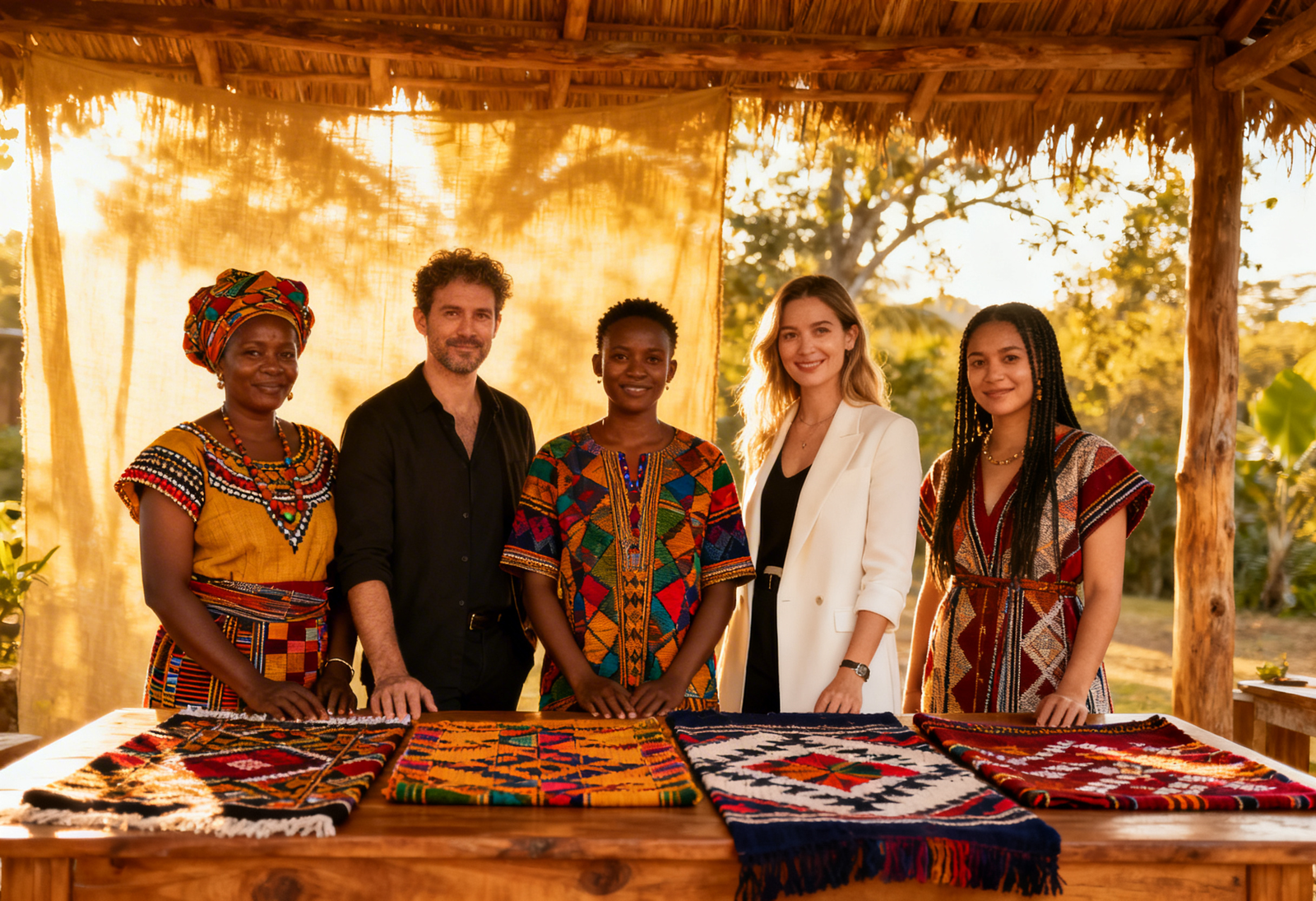
For decades, we were taught that work was a place you went to.
You woke up, fought with the traffic, sat in a cubicle for eight long hours, and then fought with the traffic again – just to reach home.
But the “office-first” era didn’t just end – but in reality it has evolved.
In 2026, work is no longer just about a destination; it is an activity which fits into the gaps of a well-lived life.
The “Hybrid Lifestyle” isn’t about splitting your time between a home desk and a corporate office.
It is about autonomy.
It is the realization that high-level output doesn’t need a physical presence 40 hours a week.
As we navigate this transition, the focus has shifted from “How many hours did you sit there?” or “What value did you actually create?”.
Moving Beyond the “Water Cooler” Myth
One of the biggest arguments against hybrid work was that “spontaneous collaboration” would die.
But as it turns out, forced office days often lead to more “performative busyness” than actual innovation.
Today’s most successful teams have realized that Deep Work happens best in a controlled, quiet environment, while Collaborative Energy is best saved for intentional, in-person workshops.
Research from the Future Forum shows that employees with full flexibility report 29% higher productivity and 53% better ability focus than those forced into full-time office roles.
The office took a major transition from being a daily prison to being a specialized tool to connect.
Integration Over Balance: The New Work-Life Reality
The term “Work-Life Balance” implies that the two are on the opposite sides of a scale, fighting for your time.
Their hybrid lifestyle promotes Work-life integration.
This means you can attend your child’s school play at 2 pm and finish any pending professional duty at 8 pm when your house is quiet and your brain is sharp – such a flexibility is a sign of a massive win for your mental health.


By cutting out the average 60-minute commute, professionals are reclaiming over 250 hours a year; that’s ten full days of life returned to the individual.
In a world where talent is global, companies that insist on physical “butt in seats” are losing their best people to competitors who offer the gift of time.
The Shift in Professional Standards
| The Old Standard | The Hybrid Standard | The Lifestyle Impact |
| Fixed Location | Geography-Neutral | You can live where you’re happiest, not just where the jobs are. |
| Input Based | Outcome Based | You are judged on your results, not your “active” status on Slack. |
| Sync-Heavy | Async-First | Fewer soul-crushing meetings; more time for deep focus. |
| Top-Down Trust | Radical Transparency | Trust is the default; you’re treated like an adult, not a student. |
How to Master the “Third Space” of Being Productive
In a hybrid world setup, the most successful professionals are the one who have mastered their environment.
Now it is no longer just “Home vs Office.” We are seeing the rise of the Third Space – which is well known as co-working spaces, quiet libraries, or even a nomadic step in a different city.
A hybrid lifestyle helps you design your surroundings to match your task. Do you want to brainstorm? – then go to a vibrant cafe. Do you have a task to write a 3,000 word report? – then lock yourself in your home sanctuary.
This environmental Intelligence helps you separate a high-performer like you from those who are just in the office to “Login”.
By the end of 2026, the “Home Office” has developed from a laptop on a kitchen table to “working in a high-performance studio.”
How to Lead with Trust in a Borderless World
For managers, the hybrid shift is the ultimate test of leadership.
The old “management by walking around” is dead – because Modern leadership is all about Clear documentation and Radical Trust.
If you need to watch an employee work to know they are working, you’ve failed as a leader. Companies and leaders that embrace “results-only” work environments reported a 15% increase in employee retention and significantly higher levels of psychological safety.
When you give people the freedom to manage their own lives, they tend to protect that freedom by delivering their best work.
Freedom is the Ultimate Benefit
The hybrid is here to stay because it is more human. It recognizes that we are parents, hobbyists, and community managers – and just “human resources.”
As we move ahead into this decade, the most prestigious advantage a company can offer is not a fancy espresso machine or a ping=pong table; but it is a sovereignty over one’s own schedule.
Work is no longer a place you go to; it’s a mission you contribute to from wherever you feel most inspired.
And once you’ve tasted that kind of freedom, there’s no going back to the cubicle.
Frequently Asked Questions
How do I stop work from bleeding into my personal time while at home?
Set a “Digital Sunset.” Close your laptop and put your work phone in a drawer at a specific time every day to signal to your brain that the workday is over.
Will my career growth slow down if I’m not in the office every day?
Only if you are “invisible.” Ensure your impact is documented and make your in-office days count by focusing on networking and building relationships.
What if my home environment isn’t suitable for deep work?
This is where the “Third Space” comes in. Look for local co-working spaces or even quiet corners in public libraries to find the focus you need.
How can teams stay connected without daily face-to-face contact?
Intentionality is key. Use high-quality video for 1-on-1s and reserve in-person meetings for “high-bandwidth” activities like strategy retreats or team-building.